







The Strategic Evolution of Digital Retail in Gaming
The modern digital storefront represents a critical pillar of the contemporary gaming ecosystem. As companies transition away from physical-exclusive models, the ability to manage large-scale price adjustments and regional promotions has become a core competency for hardware manufacturers. Nintendo, historically known for maintaining rigid pricing structures for its legacy intellectual property, has increasingly utilized periodic digital sales events to optimize its platform inventory and maintain long-term user engagement.
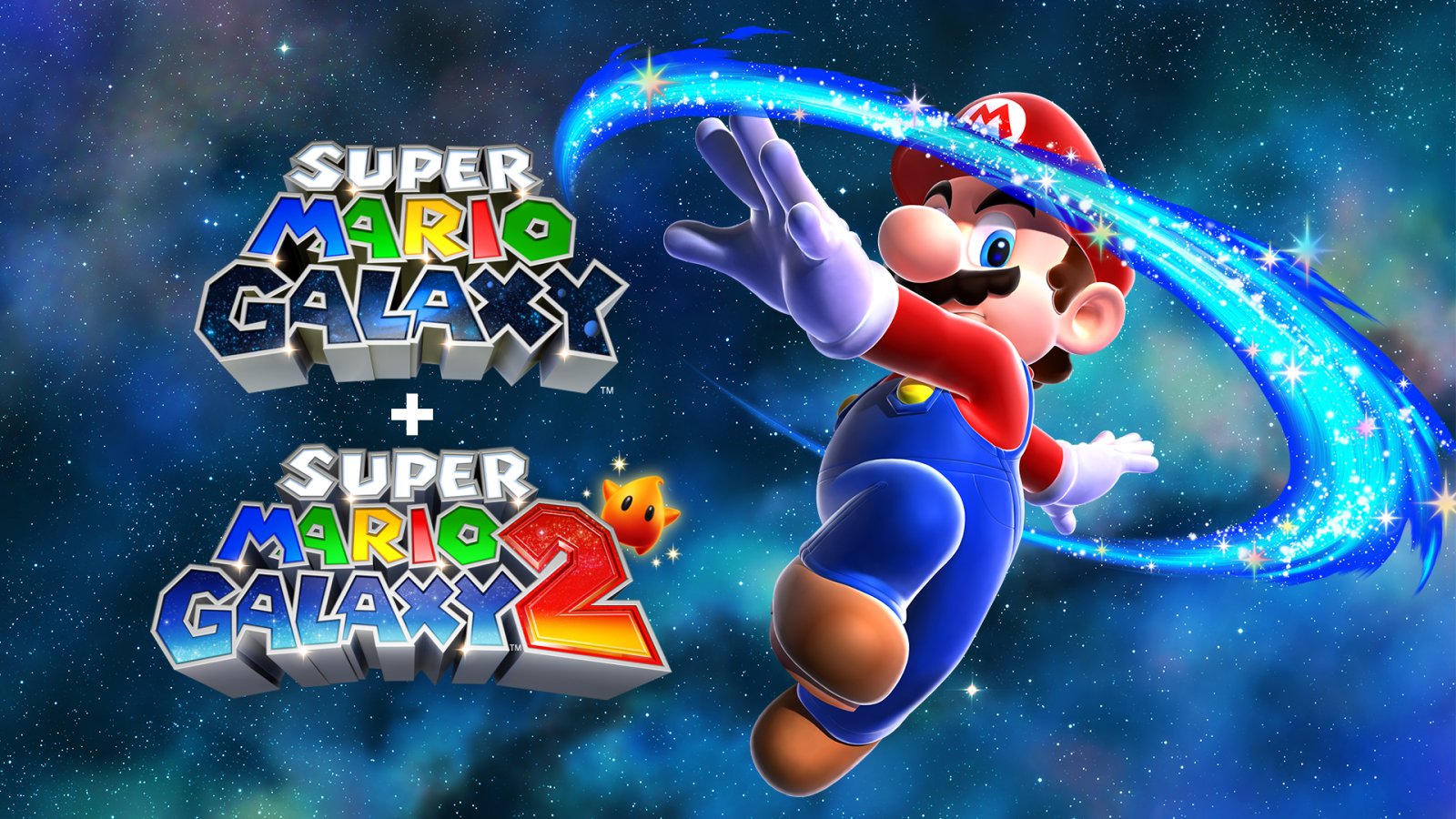
Recent reports indicate that North American consumers are preparing for a forthcoming Nintendo Customer Appreciation Sale. This event is widely perceived as a tactical move to clear digital backlog and increase the active user count across its current hardware lifecycle. While the specific list of included titles remains proprietary information until the official announcement, industry analysts expect a focus on first-party software that traditionally commands a premium price point. This approach allows the company to reward a dedicated user base while simultaneously increasing the attach rate for titles that have reached the maturity phase of their product lifecycle.
Technical Infrastructure of Digital Sales Events
Executing a region-wide sale for millions of concurrent users requires a robust backend architecture. Nintendo’s eShop infrastructure relies on distributed cloud servers capable of managing significant surges in traffic and transactional throughput. When a sale goes live, the platform must process thousands of requests per second, balancing storefront metadata updates with secure payment verification protocols.
The underlying mechanics involve dynamic pricing engines that adjust the cost of digital assets in real-time based on regional databases. These systems are designed to ensure consistency across different tax jurisdictions and currency settings. For the end user, the result is a seamless interface where price drops are reflected instantaneously. This technical reliability is essential for customer trust, as even minor latency in price updates or checkout failures can lead to significant attrition during high-volume sales windows. The upcoming sale will test the scalability of these systems, particularly if high-demand titles are included, necessitating load balancing to prevent downtime.
Optimizing Lifecycle Management for Software Assets
One of the primary objectives of an event like the Customer Appreciation Sale is the management of the software product lifecycle. In the digital age, a game does not technically go out of print; however, its visibility within the storefront often diminishes as newer releases occupy prime real estate. By grouping selected titles into a promotional event, the manufacturer effectively breathes new life into aging codebases, ensuring that long-term revenue streams continue to produce value.
From a development perspective, this is a form of asset recycling. A game released years ago still requires ongoing server maintenance and security patches, especially if it includes online components. By driving renewed interest through discounts, the company creates a justification for continued technical support. This serves both the consumer, who gains access to legacy libraries at lower costs, and the publisher, who maximizes the return on initial development investments. It also helps in segmenting the market between early adopters who paid full price and budget-conscious consumers who enter the ecosystem later, effectively broadening the player base for multiplayer-centric titles.
The Impact on North American Market Penetration
The North American market is a critical metric for gaming hardware success. Due to the high density of console owners and the relative maturity of the digital economy in this region, promotional events act as a barometer for software demand. When first-party titles are discounted, it provides data regarding consumer price sensitivity. This information is vital for future pricing strategies and development prioritization.
Furthermore, these sales encourage hardware adoption. A new consumer who purchases a console may see a collection of high-quality first-party titles available at a reduced price and feel more compelled to finalize the hardware purchase. This creates a feedback loop: increased software sales lead to increased platform engagement, which in turn leads to higher digital service subscriptions and peripheral sales. By focusing on North American customers, Nintendo is likely targeting a specific demographic that is highly responsive to value-based marketing, aiming to solidify its dominance before the next generational hardware transition.
Future Trends in Software Distribution
Looking ahead, the shift toward a predominantly digital storefront suggests that fixed-price models will become increasingly rare. Machine learning algorithms are already being integrated into retail platforms to predict which titles a specific user is most likely to purchase based on their gameplay history. In future iterations of these sales, consumers might see personalized price offers rather than blanket discounts across the entire catalog.
Additionally, the trend toward cloud-based gaming and subscription services complicates the traditional retail model. If a title is available through a subscription service, direct sales models must compete with the perceived value of that access. Consequently, Nintendo’s approach to these periodic sales—emphasizing individual ownership of premium titles—acts as a strategic hedge against the potential dilution of value caused by subscription-only platforms. By maintaining a balance between exclusive digital deals and curated collections, the company protects the long-term perceived value of its library, ensuring that their intellectual property remains a premium asset even amidst the changing landscape of digital content delivery. The forthcoming sale is not merely a discount event; it is a display of technical and commercial maturity in a competitive global market.
Disclaimer: This content is auto-generated for informational purposes only.
Source: Read Original News