






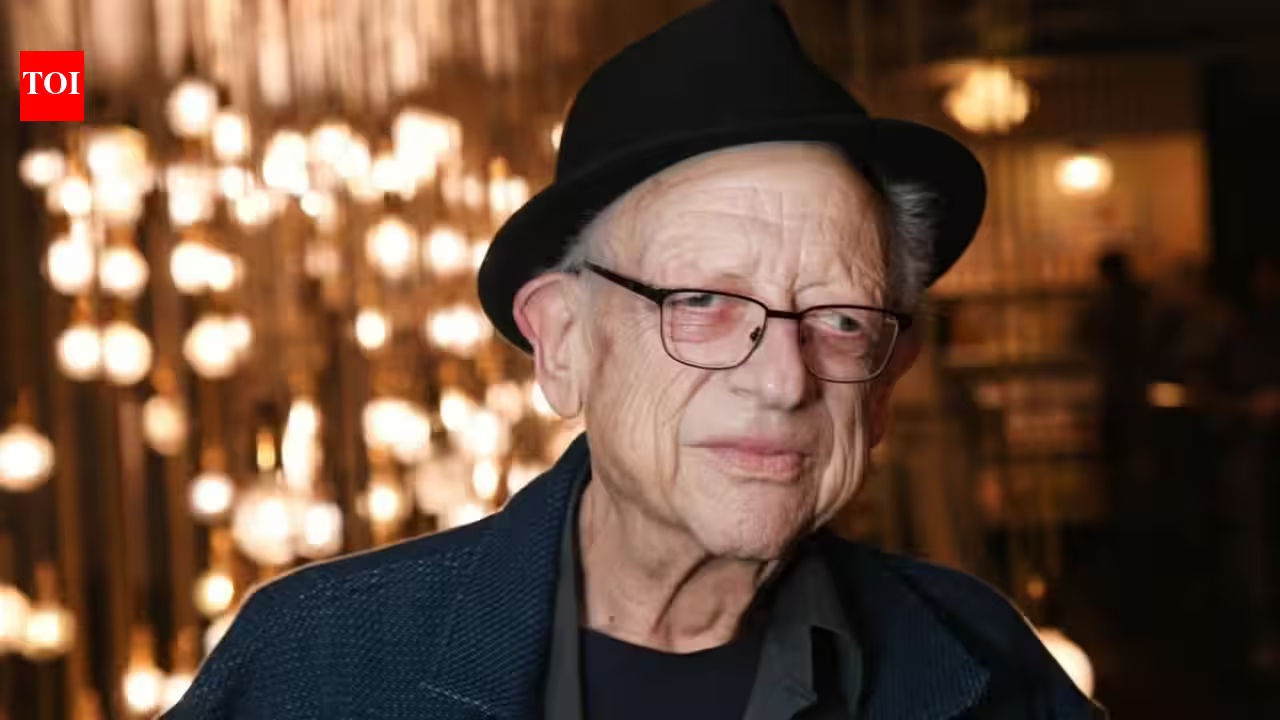
The global film community is mourning the loss of a true maverick this week. Jeremy Thomas, the legendary producer whose career served as a bridge between the grit of British indie cinema and the expansive grandeur of international epics, has died at the age of 77. According to reports from the BBC, Thomas passed away peacefully at his home in Oxfordshire on Friday, surrounded by family.
While his resume boasts the kind of accolades that most industry insiders spend their entire lives chasing, Thomas was never a man defined by the shine of a trophy. He was defined by his taste, his fearlessness, and his unwavering belief in the director’s vision—even when that vision was deemed too strange, too dark, or too complex for the traditional studio system.
A Legacy Written in Celluloid
Jeremy Thomas’s name is permanently etched into cinematic history, largely due to his collaboration with Bernardo Bertolucci on the 1987 masterpiece The Last Emperor. The film was a cultural juggernaut, famously sweeping all nine Academy Awards for which it was nominated. Yet, to focus solely on that singular triumph would be to misunderstand the man. Thomas was the rare producer who viewed the film set not as a place of commerce, but as a crucible for art.
Born into British film royalty—his father was the prolific director Ralph Thomas and his uncle was the Carry On franchise director Gerald Thomas—Jeremy could have easily settled into the comfortable, commercial machinery of his family’s legacy. Instead, he chose the road less traveled. He became a champion for the “subversives and the anarchists,” as his longtime colleague Stephen Woolley recently noted. From the visceral intensity of Jonathan Glazer’s Sexy Beast to the surrealist journeys of Terry Gilliam, Thomas consistently put his reputation on the line for projects that pushed the boundaries of the medium.
The Producer as a Creative Catalyst
In an industry where the word “producer” is often synonymous with “accountant,” Jeremy Thomas was an outlier. He was an editor by trade and a cinephile by nature, possessing a tactile understanding of how a film was stitched together. This allowed him to speak the language of directors in a way few other producers could.
Terry Gilliam, who worked closely with Thomas on films like Tideland and The Man Who Killed Don Quixote, spoke poignantly of his late friend’s disposition. “Filmmaking is not cheap, and the pressures are intense, but Jeremy always remained calm and supportive,” Gilliam shared. “He was a rare and very unique gem in the world of producers.”
That calmness under fire became his trademark. Whether he was navigating the logistical nightmares of filming on location in China or wrangling the notoriously difficult schedules of independent features, Thomas acted as a stabilizer. He understood that his job wasn’t just to fund a movie; it was to protect the creative soul of the project from the corrosive effects of compromise.
A Global Visionary
If you look at Thomas’s filmography, you don’t see a brand; you see a world tour. He was a pioneer in international co-production, unafraid to look outside the borders of the UK or Hollywood to find the stories that needed telling. He worked extensively with Japanese auteur Nagisa Oshima, producing the haunting Merry Christmas, Mr. Lawrence, and collaborated with visionaries like David Cronenberg, Stephen Frears, and Bernardo Bertolucci.
His ability to embrace “world cinema” at a time when most producers were fixated on local box office returns proved to be a visionary trait. Thomas didn’t see borders; he saw talent. By facilitating these cross-cultural exchanges, he gave audiences access to perspectives they might never have encountered otherwise. From the erotic intellectualism of The Dreamers to the psychological depth of A Dangerous Method, his body of work is a testament to the idea that cinema is the most powerful tool for empathy ever invented.
The End of an Era for Independent Cinema
The outpouring of grief following the news of his death speaks volumes about the hole he leaves behind. Colleagues are not just mourning a colleague; they are mourning an era of filmmaking. Today’s industry is increasingly dominated by intellectual property, franchise fatigue, and algorithmic content. Jeremy Thomas was a holdout from a time when a film could be a singular, idiosyncratic expression of a single mind’s vision.
Stephen Woolley, who credits Thomas with pushing him to become a producer in 1981, summed up the industry’s collective sentiment perfectly: “He was a huge inspiration and a massively undervalued genius… he sided with the subversives and movie anarchists, and we loved him dearly.”
As we look back on his half-century of work, we aren’t just remembering a man who collected Oscars. We are remembering the person who ensured those films existed in the first place. He was the one who said “yes” when everyone else said “it’s too risky.” He was the one who sat in the edit suite until 3:00 a.m. to make sure a cut was just right. He was, in every sense of the word, a filmmaker’s producer.
Jeremy Thomas has left the building, but the imprint he left on the landscape of global cinema is indelible. His films remain, and in them, the spirit of a man who loved movies more than the business behind them will live on for generations of cinephiles to come.
Disclaimer: This content is auto-generated for informational purposes only.
Source: Read Original News