







A growing cohort of German politicians is formally challenging the European Union’s mandate to effectively ban the sale of new internal combustion engine (ICE) vehicles by 2035. The dissent, led primarily by members of the Free Democratic Party (FDP) and supported by certain conservative factions, argues that the current EU policy is fundamentally flawed because it focuses exclusively on tailpipe emissions rather than a holistic “life-cycle” assessment of vehicle sustainability.
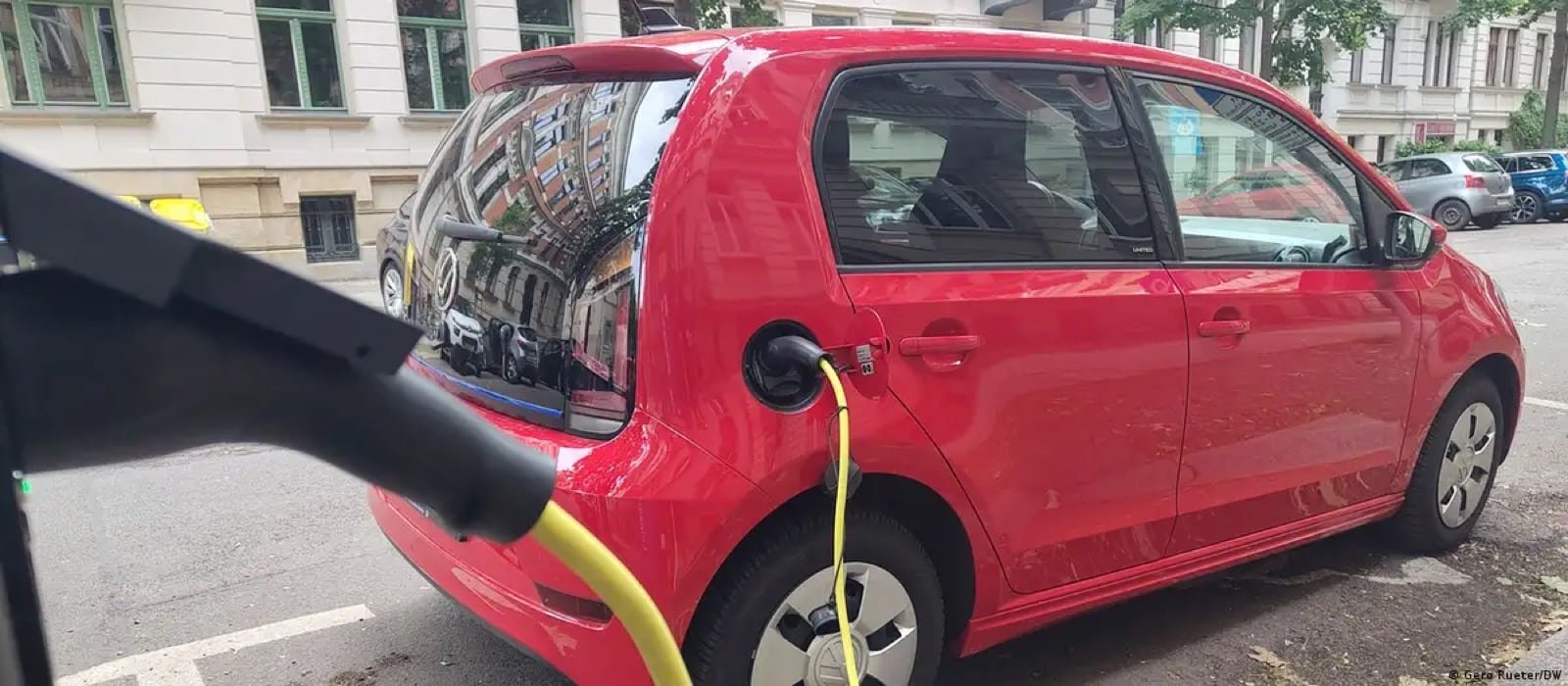
The EU’s landmark regulation, a cornerstone of the “Fit for 55” climate package, stipulates that all new passenger cars sold in the bloc must emit zero carbon dioxide by 2035. While the mandate currently allows for an exemption for vehicles running on e-fuels—synthetic alternatives manufactured using captured carbon and renewable electricity—critics argue that the regulatory path is too narrow. They contend that by prioritizing battery-electric vehicles (BEVs) as the sole solution, the EU is ignoring the environmental costs associated with raw material extraction, battery manufacturing, and the diverse energy mixes used to charge vehicles across different member states.
“We must move away from a blind fixation on tailpipe emissions and toward a comprehensive carbon-accountability model,” stated one senior policy advisor aligned with the dissenting bloc. Proponents of this view argue that if a vehicle is charged using electricity generated by coal or gas, the environmental advantage of an electric car is significantly diminished. Furthermore, they highlight the high carbon intensity of lithium-ion battery production, which often occurs in nations with lower environmental standards, creating a “carbon debt” that can take years of driving to offset.
The push for a delay or a revision of the 2035 deadline is underpinned by economic concerns. Germany’s automotive industry is a pillar of its national economy, employing hundreds of thousands of workers in traditional engine manufacturing, supply chain management, and engineering. Opponents of the current timeline fear that a rushed transition will lead to widespread job losses and industrial decline, particularly if the domestic supply chain cannot pivot quickly enough to compete with Chinese-dominated battery markets.
However, the proposal has encountered stiff resistance from environmental advocacy groups and other EU member states. Pro-mandate legislators argue that the automotive industry has already committed billions of euros toward electrification and that any wavering in policy creates market uncertainty. They maintain that the 2035 target is essential for the EU to meet its broader climate neutrality goals by 2050. Science-based reports from the International Energy Agency (IEA) have generally supported the transition to electrification, citing that even when accounting for battery production, electric vehicles represent a substantially lower life-cycle emission profile than ICE vehicles over their operational lifespan.
The debate has sparked a wider conversation about the viability of e-fuels. While the German government successfully negotiated an carve-out for e-fuels in the original deal, critics of the current political push argue that these synthetic fuels remain too expensive and energy-intensive for mass consumer adoption. They suggest that redirecting focus toward a “tech-neutral” approach could serve as a stalling tactic to keep legacy engine technologies on the market for longer than climate targets allow.
As the European Commission prepares for upcoming reviews of the climate package, the pressure from Berlin is expected to intensify. The standoff highlights a recurring tension within the EU: the friction between ambitious environmental policy and the practicalities of industrial transition. With European parliamentary elections and shifting political coalitions on the horizon, the 2035 phase-out date—once thought to be settled—is increasingly becoming a central point of geopolitical and economic contention. Whether this pressure leads to a formal delay or simply a recalibration of how carbon footprints are measured remains the subject of intense deliberation in Brussels.
Disclaimer: This content is auto-generated for informational purposes only.
Source: Read Original News