






Geopolitics and Tech Frontiers: BRICS Summit Highlights Global Diplomacy
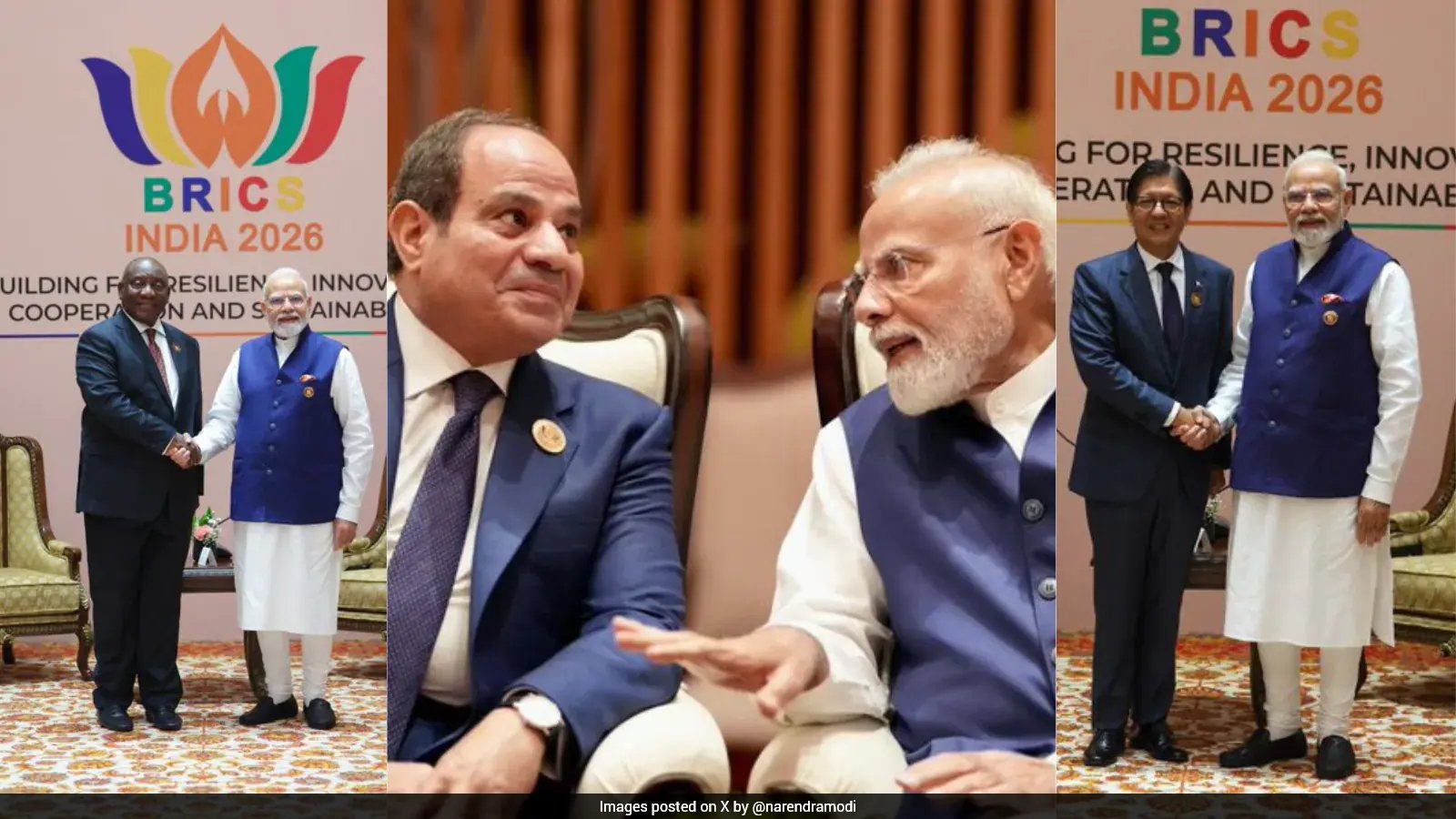
The BRICS summit served as a focal point for major international discourse this week, with Chinese President Xi Jinping taking a firm stand against geopolitical hegemony. During his address, Xi explicitly rejected the “might makes right” philosophy, advocating instead for a more equitable global order rooted in sovereign equality and the peaceful resolution of territorial or political disputes.
Beyond rhetoric, Beijing utilized the summit to propose deeper integration among member nations, particularly in the realms of artificial intelligence, trade, and manufacturing. By introducing initiatives such as an open-source AI community, China aims to solidify its role in shaping the technological future of the Global South, emphasizing a collaborative model that counters existing power imbalances.
Modi and Xi Offer Support for Ukraine Peace Efforts
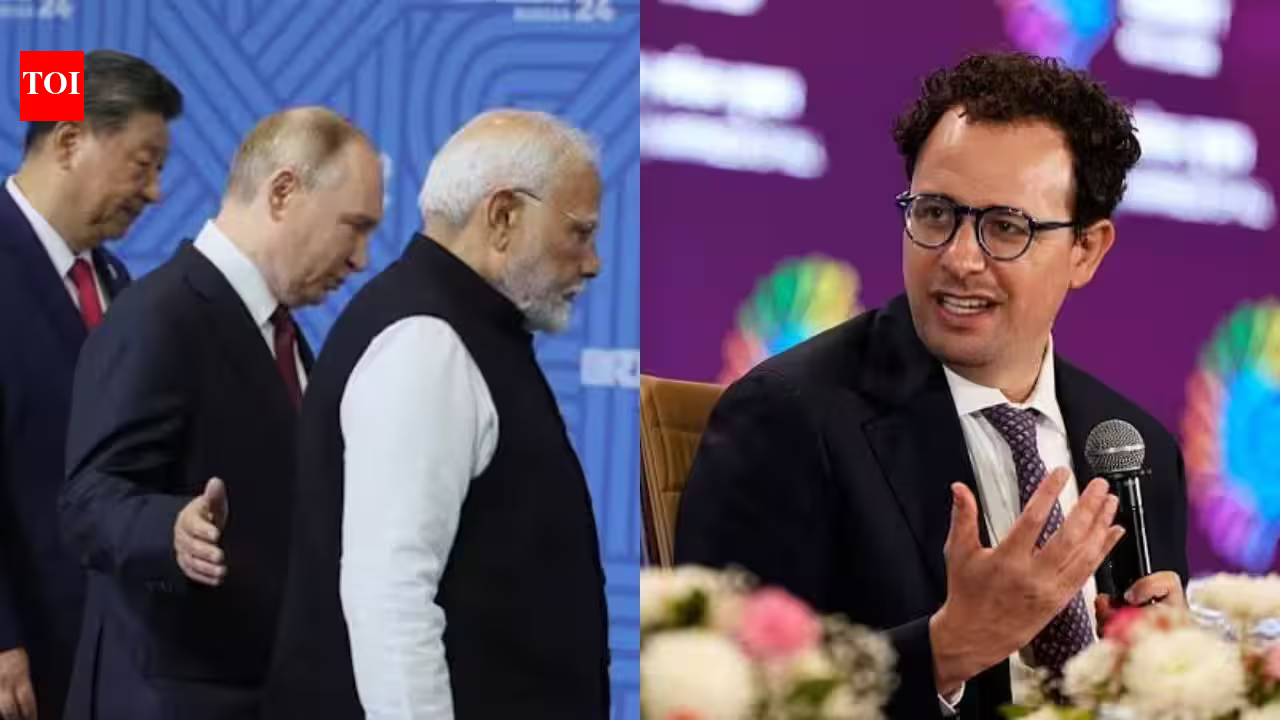
On the sidelines of the summit, the ongoing conflict in Ukraine took center stage during private discussions. Kremlin spokesperson Dmitry Peskov confirmed that both Prime Minister Narendra Modi and President Xi Jinping have offered their “good offices” to facilitate a peaceful resolution between Russia and Ukraine.
President Vladimir Putin reportedly welcomed these diplomatic overtures. For his part, Prime Minister Modi underscored India’s long-standing commitment to dialogue, reiterating that the path to stability lies in diplomacy rather than military escalation. The bilateral meetings also allowed India and Russia to focus on strengthening economic ties, with discussions covering a broad spectrum of cooperation, including energy, defense, and the “Programme for Economic Cooperation 2030.”
Anthropic CEO Sounds Alarm on AI Risks
As nations grapple with the rise of AI, Anthropic CEO Dario Amodei has provided a stark assessment of the industry’s trajectory. Addressing concerns raised by former staff regarding safety protocols, Amodei argued that the risks associated with advanced AI are not singular, but dependent on the development paths chosen by major tech firms.
He warned that the wrong approach could lead to catastrophic outcomes. However, Amodei also cautioned against excessive stagnation, noting that if safety-conscious organizations move too slowly, it could create a power vacuum where systems are controlled by entities with fewer ethical safeguards. He urged for global industry collaboration to establish a universal baseline for AI safety.
AAP Reevaluates Strategy Following Rajya Sabha Defections
In domestic politics, Aam Aadmi Party (AAP) national convener Arvind Kejriwal has announced a significant shift in the party’s recruitment and nomination strategy. Following the high-profile defection of Raghav Chadha and six other Rajya Sabha members to the Bharatiya Janata Party (BJP), Kejriwal stated that the party would adopt a more cautious and stringent approach when selecting candidates for the Upper House.
The loss of these MPs has not only weakened AAP’s parliamentary presence but also triggered an internal audit of how the party identifies and vets its future representatives. As AAP eyes the upcoming Goa Assembly elections, party leadership is clearly looking to tighten its ranks to prevent further attrition.
Search and Rescue Operations Intensify in Java Sea
Tragedy struck the maritime sector as the passenger vessel Virgo Transport 8 sank in the Java Sea during treacherous weather conditions. The ship, which was ferrying 243 individuals from Surabaya to Banjarmasin, encountered massive three-meter waves that caused the vessel to list and eventually go under.
While emergency responders have managed to rescue 107 people and recover six bodies, authorities remain in a race against time to locate the approximately 130 passengers still reported missing. Search operations continue under challenging conditions as families wait for news on their loved ones.
Disclaimer: This content is auto-generated for informational purposes only.
Source: Read Original News