








Kathmandu’s Diplomatic Drift: PM Balen Shah Faces Mounting Global Scrutiny
Six months into his tenure, Prime Minister Balen Shah’s administration is confronting a rare and uncomfortable diplomatic reality. India, China, and the United States—three global powers rarely aligned on regional matters—have each developed a burgeoning list of grievances against Kathmandu. While Shah ascended to power on a mandate to dismantle the personality-driven diplomacy of his predecessors, his pursuit of a “new way” has left foreign ministries from New Delhi to Washington questioning whether his administration has sacrificed coherence for the sake of reform.
Strained Ties with New Delhi
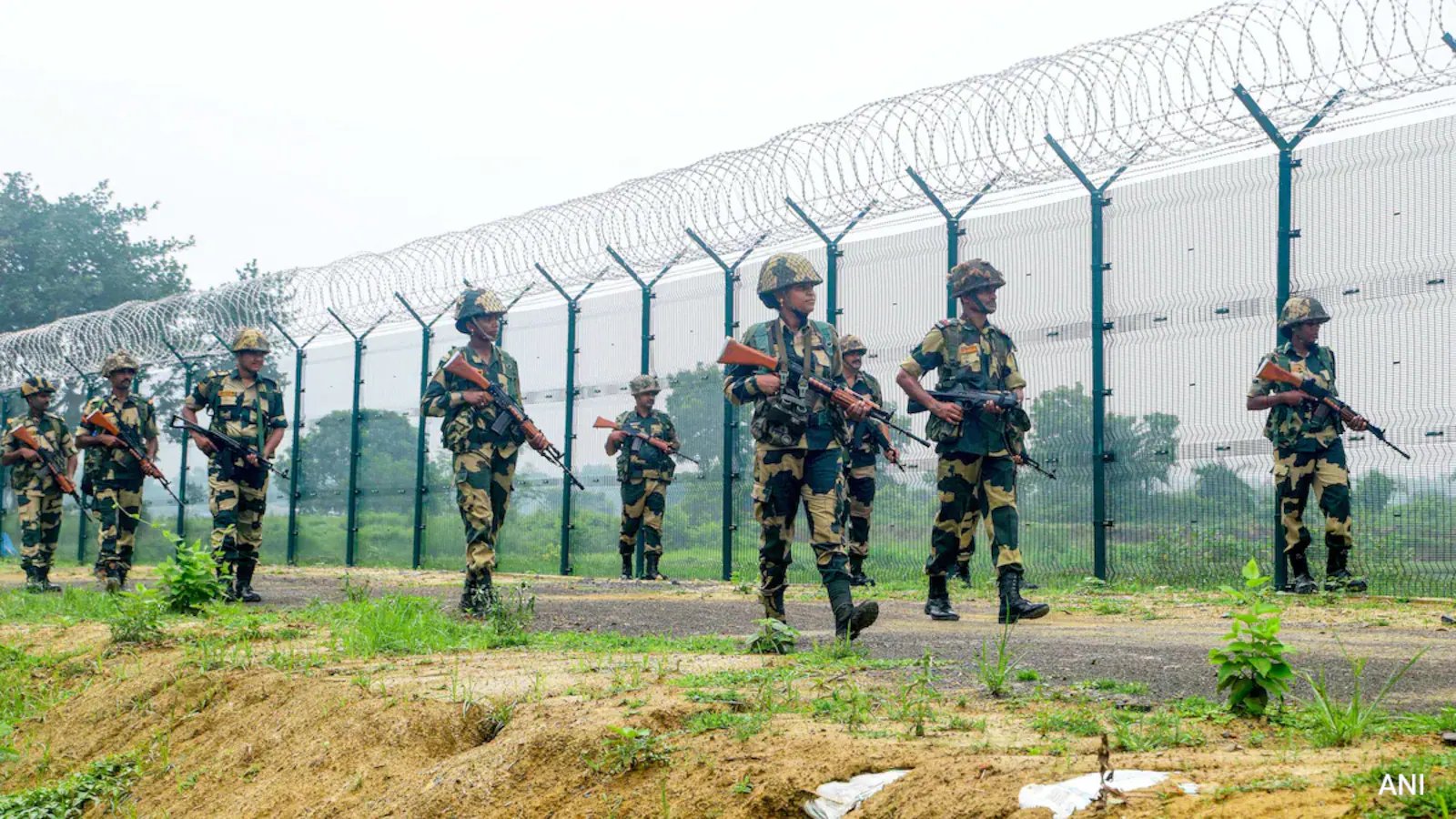
India’s frustration with the current government stems from a culmination of administrative hurdles and perceived slights. The most contentious issue remains the aggressive enforcement of customs duties on minor cross-border trade, which has disrupted the livelihoods of border residents and hampered local economies. While Kathmandu frames these policies as exercises in economic sovereignty, New Delhi views them as bureaucratic hostility.
Compounding this tension is the issue of access. By initially shunning traditional bilateral diplomatic channels in favor of group-based sessions, the Prime Minister signaled a shift away from India’s “special” status. This, combined with the marginalization of seasoned career diplomats in favor of a closed circle of untested advisors, has made it increasingly difficult for New Delhi to engage in the quiet, institutional problem-solving that has historically stabilized the relationship.
Beijing’s Growing Unease
China’s concerns mirror India’s, albeit through a different lens. Beijing is particularly wary of the government’s inconsistent handling of sensitive issues regarding Tibetan exile communities. From the Chinese perspective, the current administration’s vacillation—approving and then rescinding permissions for specific programs—suggests a lack of steady, reliable policy.
Furthermore, Beijing remains deeply suspicious of the Prime Minister’s inner circle, fearing that those with historical ties to Western-backed initiatives might be pulling Kathmandu toward Washington’s orbit. The perception that the current leadership prioritizes optical “tit-for-tat” diplomacy over substance has left Chinese officials describing the current climate as notably opaque.
Washington’s Lost Momentum
The United States, which initially viewed the reform-minded Prime Minister as a breath of fresh air, has seen its optimism fade. The delayed acceptance of a $100 million military assistance package—specifically regarding Bell helicopters—highlighted a trend of executive hesitation. What Washington viewed as a straightforward administrative task became a months-long saga, leading to a loss of valuable diplomatic goodwill.
Additionally, the government’s refusal to accept international search and rescue support following the devastating Bhote Koshi floods has left a bitter aftertaste. While Kathmandu cited logistical reasons, the decision to rebuff foreign assistance during a crisis involving international casualties created an impression of isolationism that resonated poorly on the global stage.
A Crucial Turning Point
The current challenges represent a failure of process rather than a singular policy collapse. By attempting to overhaul the established norms of engagement without installing robust institutional replacements, the government has inadvertently created a vacuum of trust.
As Prime Minister Shah prepares for the upcoming United Nations General Assembly in New York, he faces a pivotal moment. While his trip is intended to solicit climate compensation to address the aftermath of recent natural disasters, the real test will be his ability to reconcile Nepal’s domestic objectives with the need for reliable, transparent international relations.
To restore confidence, the administration must move beyond performative diplomacy. This requires appointing qualified ambassadors, restoring routine professional channels for communication, and empowering the Ministry of Foreign Affairs to manage relations with the institutional consistency that global partners expect. Ultimately, the Prime Minister must recognize that while his vision for a sovereign, independent foreign policy is ambitious, its success depends on the basic mechanics of reliability, consistency, and open access.
Disclaimer: This content is auto-generated for informational purposes only.
Source: Read Original News