








Egypt Targets $12 Billion Trade Goal with India as Al-Sisi Pushes Regional Stability at BRICS Summit
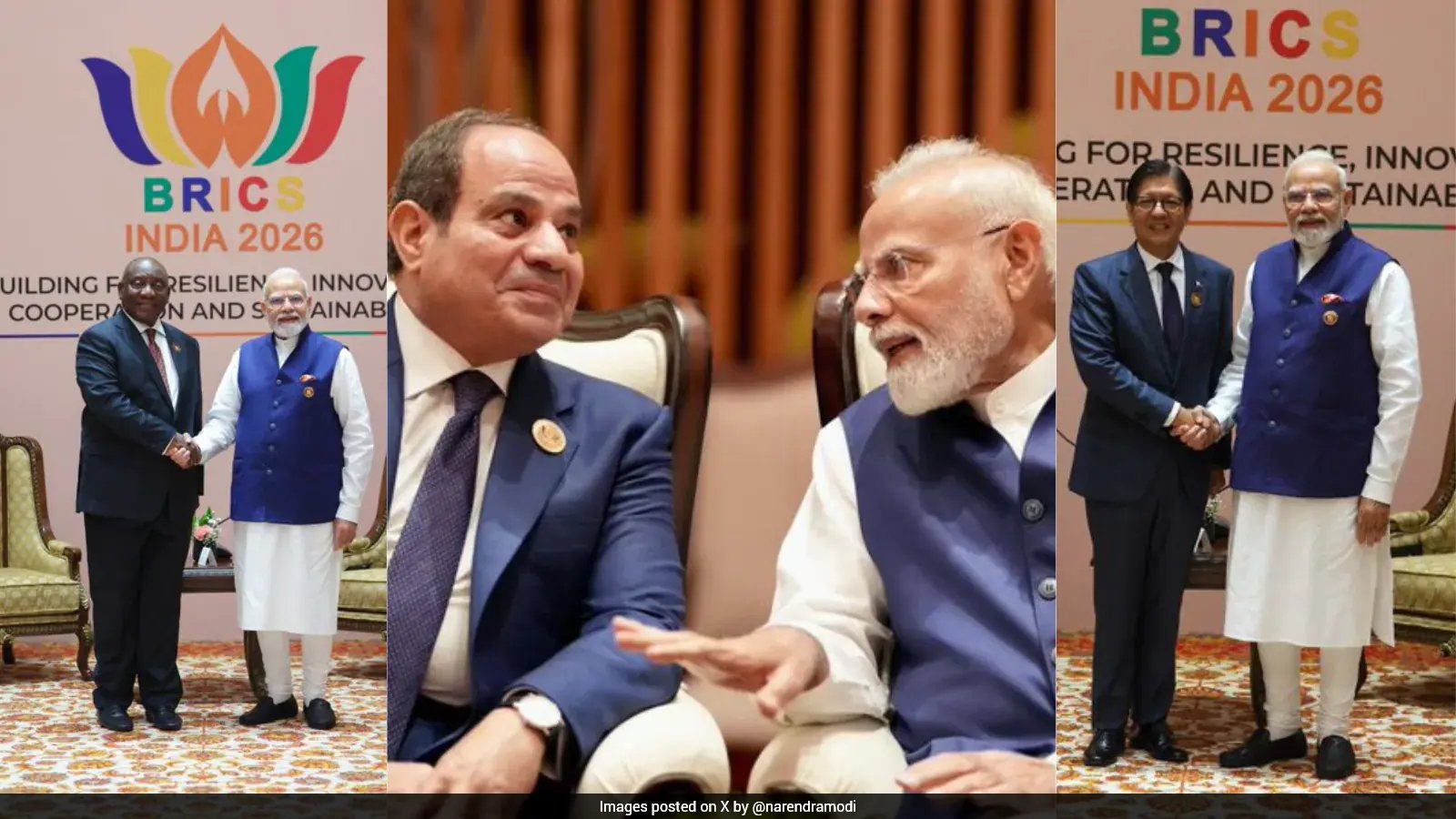
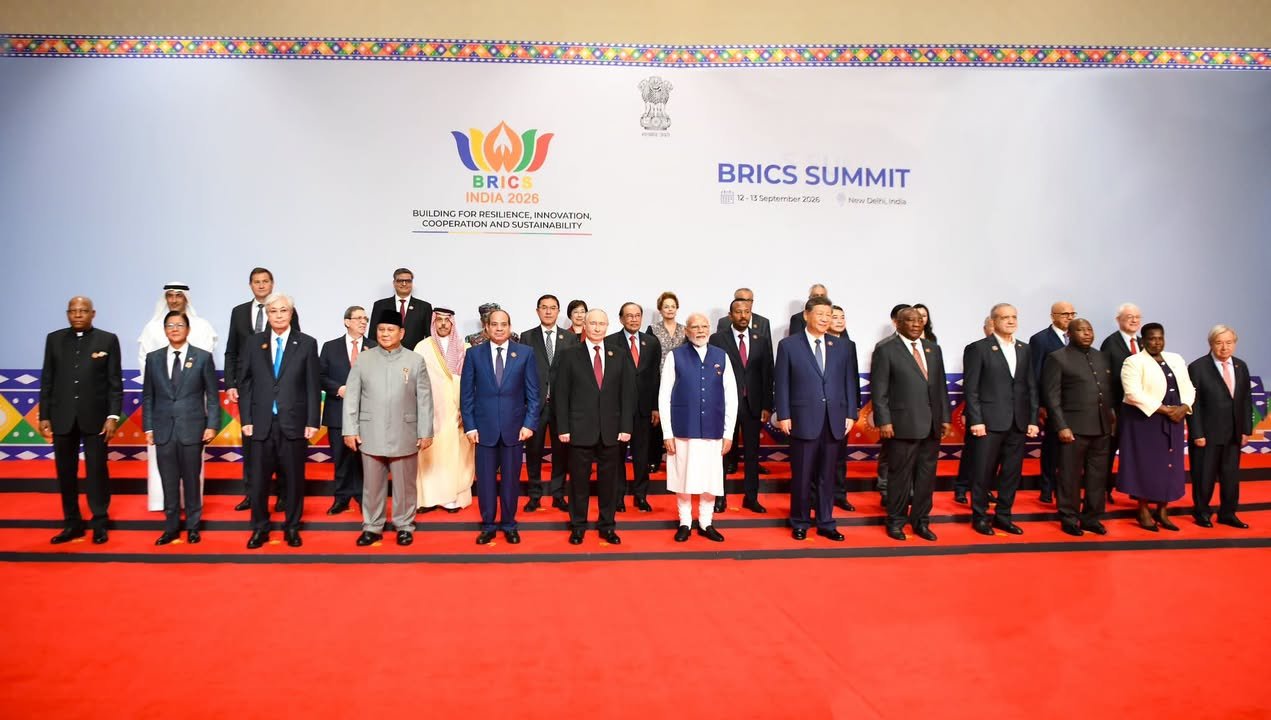
New Delhi: On the sidelines of the 18th BRICS summit held in the Indian capital, Egyptian President Abdel Fattah Al-Sisi held high-level discussions with Prime Minister Narendra Modi, signaling a robust intent to elevate the strategic partnership between the two nations. Central to the bilateral dialogue was the ambitious objective of increasing trade volume to $12 billion and bolstering Indian investment across critical sectors of the Egyptian economy.
The meeting between the two leaders builds upon the momentum established during the formalization of their strategic partnership in 2023. Both sides identified a diverse roadmap for cooperation, spanning the automotive industry, green hydrogen, pharmaceuticals, information technology, and renewable energy.
Leveraging the Suez Canal Advantage
President Al-Sisi underscored Egypt’s unique geographical position as a gateway between continents. He pointed to the logistical prowess of the Suez Canal Economic Zone, which offers significant tax incentives and infrastructure support designed to attract global manufacturers. For Indian firms looking to diversify their supply chains, Al-Sisi framed Egypt as a strategic hub capable of hosting large-scale industrial projects.
Prime Minister Modi conveyed India’s willingness to foster deeper commercial ties, pledging that his government would actively encourage Indian enterprises to explore the untapped potential within Egypt. While the leaders did not unveil specific financial contracts during this session, the discussions laid the groundwork for future industrial collaboration.
Diplomatic Outreach to Iran
Beyond economic pursuits, President Al-Sisi utilized the global platform of the BRICS summit to address pressing geopolitical instability in the Middle East. In a notable bilateral meeting with Iranian President Masoud Pezeshkian, Al-Sisi took a firm stance on regional security.
The Egyptian leader urged Tehran to exercise restraint and work actively toward cooling the ongoing regional tensions. Stressing the necessity of a “comprehensive and sustainable” peaceful resolution, Al-Sisi explicitly called for an end to hostilities against Arab states. His message emphasized that de-escalation is a prerequisite for regional stability, grounded in the principles of national sovereignty and good-neighborly conduct. While the Iranian side acknowledged the dialogue, official statements remained silent on the specifics of Tehran’s response.
Shaping the Future of BRICS
During his address to the expanded BRICS session, President Al-Sisi pivoted toward the collective needs of developing economies. He advocated for the New Development Bank to increase its involvement in financing essential infrastructure, particularly as emerging markets grapple with food insecurity, energy volatility, and persistent supply-chain disruptions.
Al-Sisi pushed for the BRICS bloc to transition from broad policy discussions toward concrete, actionable projects. He highlighted the urgent need for localized technology, innovation in artificial intelligence, and a greater emphasis on youth empowerment through future-ready technical education.
“Egypt is committed to transforming our ports, transport links, and logistics networks to serve as a reliable anchor for global trade,” Al-Sisi stated, reinforcing his country’s role in global supply chain resilience. By linking Egypt’s domestic industrial modernization with the collaborative framework of BRICS, Al-Sisi’s visit to New Delhi reflects a dual focus: securing national economic growth through Indian investment while simultaneously acting as a stabilizing mediator in a volatile regional landscape.
Disclaimer: This content is auto-generated for informational purposes only.
Source: Read Original News