









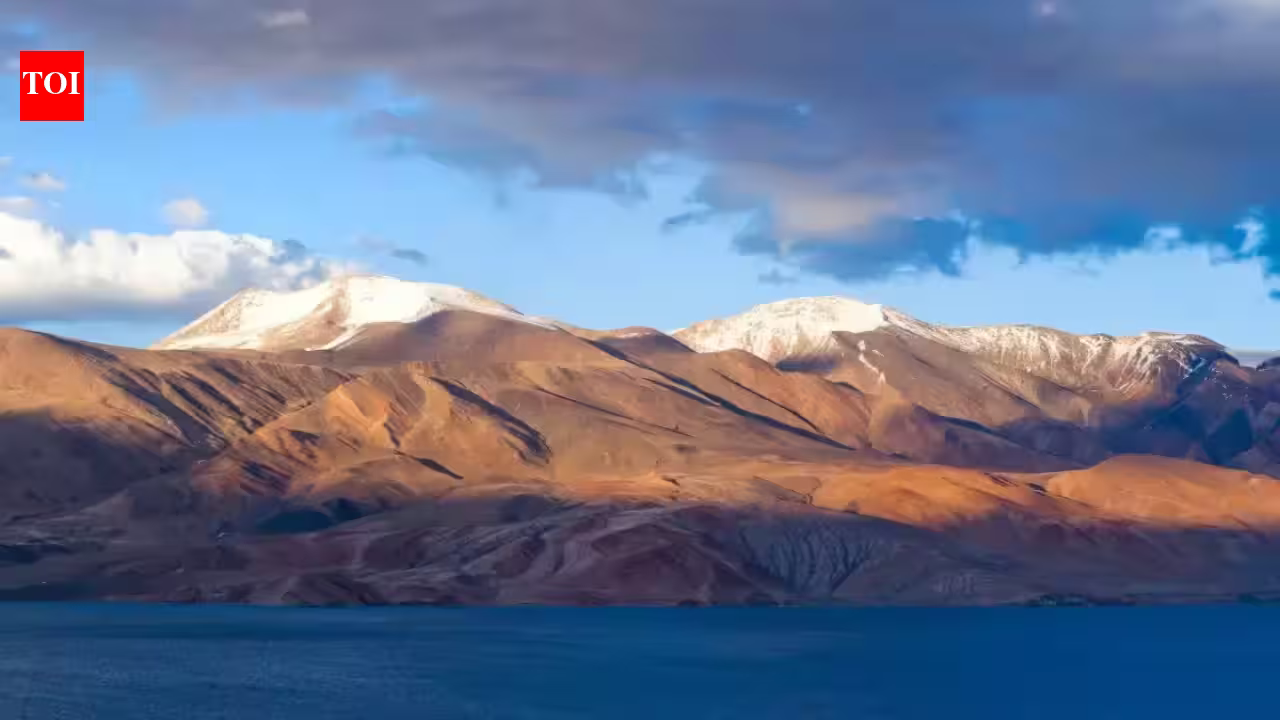
Ladakh Launches Ambitious Project to Save Shrinking Tso Kar Glacial Lake
In a landmark environmental intervention, the Ladakh administration has initiated a massive project to rescue the Tso Kar glacial lake from the brink of ecological collapse. By channeling 132 cusecs of glacial meltwater—amounting to approximately 320 million litres daily—from the Rupsho Kharnak stream, authorities aim to replenish the high-altitude water body that has been rapidly receding over the last decade.
A Decade of Ecological Decline
Perched at an altitude of nearly 15,000 feet in the Changthang district, Tso Kar has suffered a catastrophic loss of volume in recent years. Once a sprawling 11,000-acre expanse, the lake has shrunk by 70%, now covering a mere 3,200 acres. This reduction has severely impacted the region’s biodiversity, particularly the migratory birds like the iconic black-necked crane, which historically relied on the lake as a vital nesting ground. Local communities, who once thrived on the lake’s salt trade and relied on the surrounding wetlands for livestock grazing, have also faced increasing hardships as the environment turned arid.
Strategic Intervention and Engineering
The push for restoration gained momentum following a site visit by Lieutenant Governor VK Saxena on August 10. During his interaction with the local residents, the urgency of the lake’s preservation became clear. A swift response from the Public Health Engineering (PHE) department followed, with a comprehensive survey completed in just 15 days.
Rather than opting for a costly and intrusive concrete structure, the administration opted for a sustainable, low-impact solution. By utilizing a simple earthen channel and leveraging a long-neglected concrete canal dating back to 1995, engineers began the diversion process on September 2, racing against the onset of the harsh winter freeze.
“This is the first project of this scale in India, specifically designed to revive a high-altitude lake under such extreme climatic conditions,” an official noted. The initiative follows the successful water-management model implemented earlier in Igoo-Phey and Chuchot, where Stok glacier water was effectively diverted to nourish local irrigation systems.
Creating a Sustainable Wetland Ecosystem
The restoration strategy involves more than just filling the main lake. Before the water reaches the primary basin of Tso Kar, it will pass through three natural depressions. These areas, totaling over 300 acres of wetland space, are expected to act as a natural filtration system. By allowing sediments to settle in these smaller basins, the project ensures that cleaner, sediment-free water reaches the main lake, thereby maintaining its delicate chemical balance.
Beyond the environmental benefits, these new wetlands are expected to provide a boon for regional tourism. Located near the Leh-Manali highway, the newly created bird habitats are projected to become a significant attraction for visitors, potentially boosting the local economy through ecotourism.
As the diverted water begins to accumulate, the administration is optimistic that Tso Kar will be restored to its historic water levels within a year. This project represents a critical step in Ladakh’s ongoing battle against climate change, proving that with strategic planning and community-led insight, it is possible to reverse the degradation of fragile Himalayan ecosystems.
Disclaimer: This content is auto-generated for informational purposes only.
Source: Read Original News