








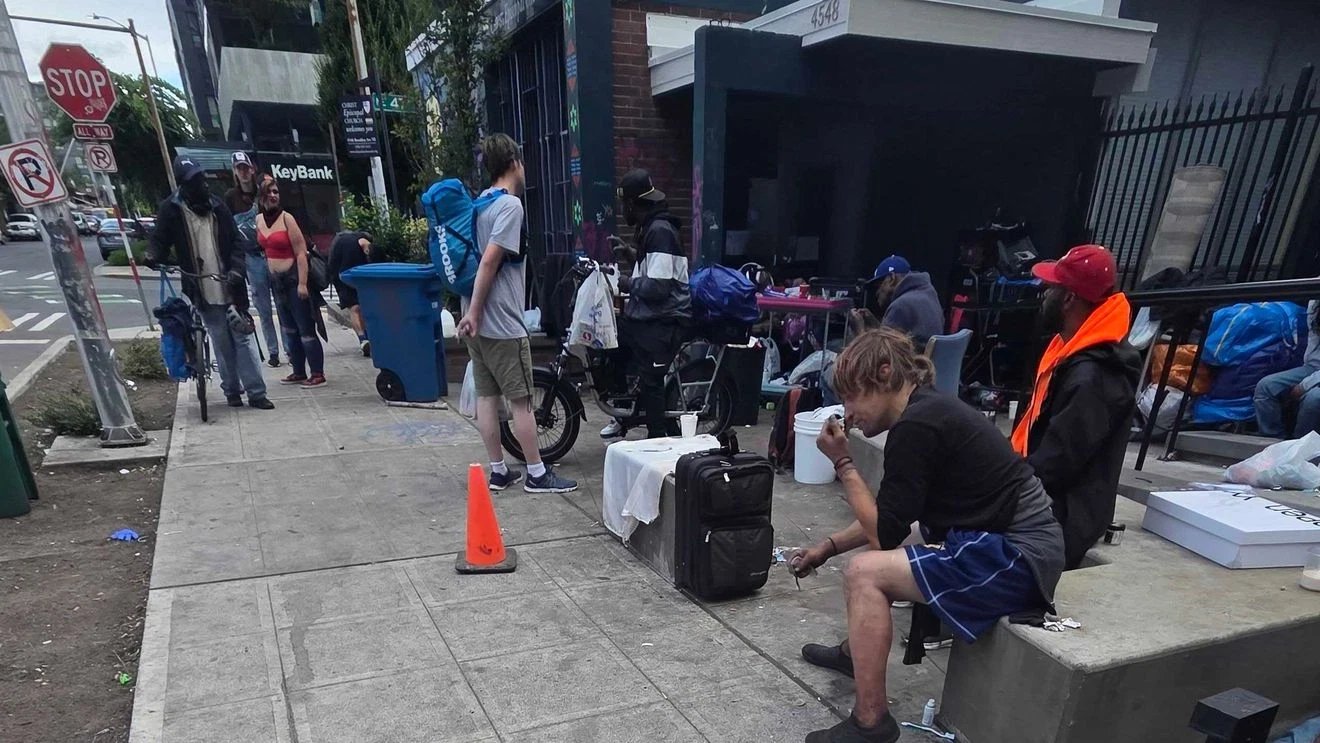
A coalition of Seattle’s most influential corporate leaders has issued a formal challenge to City Hall, demanding an aggressive overhaul of public safety policies to combat rising crime, open-air drug markets, and the city’s homelessness crisis.
The letter, signed by 38 prominent executives including Microsoft President Brad Smith, Starbucks CEO Brian Niccol, and Costco CEO Ron Vachris, calls for a 100-day action plan. The group is urging Mayor Katie Wilson and the City Council to implement stricter enforcement, including a 250-foot “no-camping” buffer around schools and parks, and a policy that mandates arrest and prosecution for individuals who repeatedly reject offers of shelter and drug treatment.
### The Technology Industry’s Role in Urban Oversight
While these business leaders are primarily focused on physical safety, their request also highlights an increasing reliance on modern surveillance infrastructure. The executives specifically lobbied for an expanded network of surveillance cameras to monitor public spaces.
This push mirrors broader trends in the tech industry, where major players are increasingly integrating AI-driven analytics into municipal security contracts. While tech giants like Microsoft often provide the underlying cloud architecture and AI tools that power modern city operations—such as predictive policing software and facial recognition interfaces—the demand for more hardware suggests a desire for “smarter” streets. These systems are designed to process massive amounts of video data in real-time to alert authorities to criminal activity, though they often spark intense debates regarding data privacy and the ethical implications of government-run, AI-assisted monitoring.
### Data Trends and the “Safety Gap”
The business community’s call to action comes at a time when city data presents a complex picture. While King County has seen a significant decrease in overdose deaths and EMS responses through August 2026—a trend that suggests public health initiatives may be finding some traction—business leaders argue that the “street-level” experience remains perilous.
Critics of the current policy approach point to the disconnect between raw statistics and the daily reality on streets like 3rd and Pine or near the University District. For tech-focused local businesses, this “safety gap” is a major hurdle. When the physical environment around retail hubs and office headquarters is perceived as unstable, it complicates the return-to-office mandates and hybrid work models that many Seattle-based tech companies are currently navigating.
### Bridging the Policy Divide
Mayor Wilson responded to the coalition by emphasizing that her administration is already working on several initiatives, including the deployment of “Community Assisted Response and Engagement” (CARE) teams. These teams, which operate on an expanded, near-24/7 schedule, represent a shift toward deploying non-police responders for welfare checks and crisis de-escalation.
However, the path forward remains fraught. With the city facing a looming budget deficit heading into 2027, Wilson faces the difficult task of balancing requests for increased police staffing—including the pursuit of a new police chief—with the need to maintain social service funding.
The business leaders’ proposal for a 72-hour clearing period for encampments near schools reflects a growing impatience with incremental progress. As Seattle navigates these competing pressures, the intersection of private-sector influence, public safety demands, and the digital tools used to enforce order will remain a focal point of the city’s political landscape. Whether the city’s next budget, expected to be presented to the council shortly, will satisfy these corporate demands or further highlight the tension between different approaches to urban welfare remains to be seen.
Disclaimer: This content is auto-generated for informational purposes only.
Source: Read Original News