








Strategic Pivot: How Saudi Arabia’s Engagement with BRICS at the India Summit Reshaped Global Ties
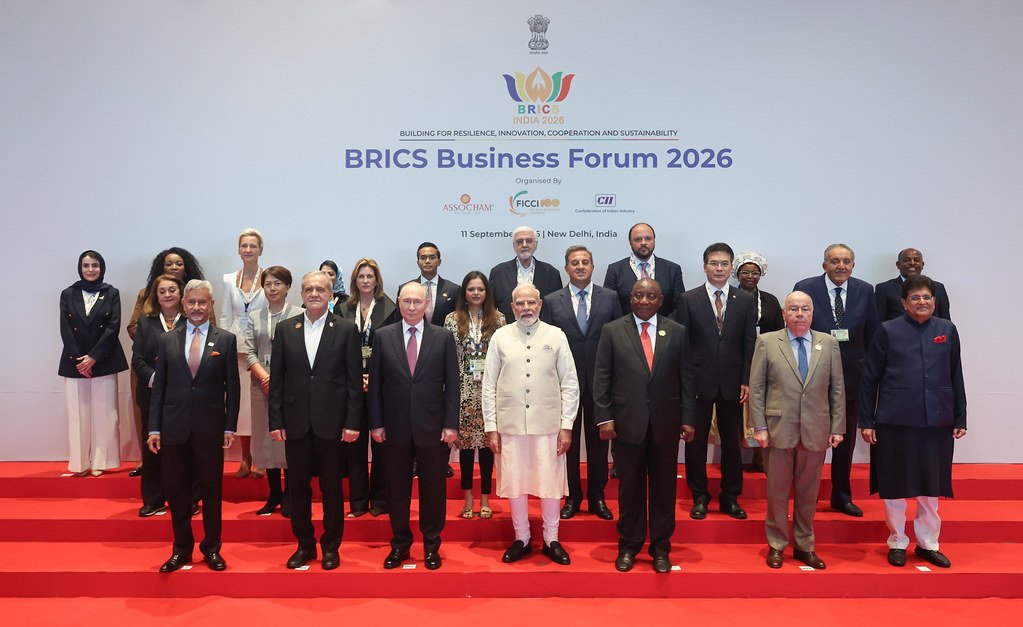
The shifting landscape of global diplomacy was on full display during the recent high-level engagements hosted in India, where Saudi Arabia emerged as a central figure in the evolving BRICS narrative. For Riyadh, the opportunity to interact with the BRICS bloc within the vibrant geopolitical theater of India marked a significant evolution in its “Vision 2030” strategy, signaling a transition from a traditional Western-aligned energy exporter to a diversified, multi-polar power player.
Strengthening Ties within the Global South
For Saudi Arabia, the engagement at the India summit served as a litmus test for its broader aspirations to integrate into non-Western multilateral platforms. By positioning itself alongside the BRICS grouping—an organization increasingly viewed as the voice of the Global South—Riyadh effectively signaled its intention to balance its long-standing security partnerships with the United States against its growing economic interdependence with Asian giants.
The Saudi presence in India underscored the Kingdom’s realization that the future of energy consumption and infrastructural investment lies predominantly in the emerging markets of the East. Through these discussions, Riyadh managed to solidify its role as a bridge-builder, utilizing India’s diplomatic platform to reassure partners of its commitment to global energy security while simultaneously exploring de-dollarization initiatives that appeal to the BRICS core.
Economic Diversification and Energy Diplomacy
The discussions in India provided Saudi Arabia with a tactical advantage in its quest for economic diversification. By engaging with the BRICS framework, the Kingdom secured a pathway to enhance its non-oil trade, attracting investments from member states that are increasingly looking to move beyond the constraints of the traditional financial hegemony.
This diplomatic maneuver allowed Riyadh to align its domestic reform agenda with the collective ambitions of the BRICS nations, particularly regarding industrial manufacturing and digital infrastructure. Furthermore, the summit acted as a catalyst for deeper bilateral cooperation between Saudi Arabia and India, with both nations exploring integrated supply chains that leverage the Kingdom’s capital and India’s burgeoning technological and manufacturing prowess. This synergy serves to insulate the Saudi economy from the volatility of Western market fluctuations, granting Riyadh greater agency on the world stage.
A New Paradigm of Geopolitical Neutrality
Perhaps the most significant takeaway from the engagement is Saudi Arabia’s successful projection of “strategic autonomy.” By participating in these conversations, Riyadh has effectively moved past the binary constraints of Cold War-era alliances. The Kingdom’s willingness to navigate the nuanced interests of BRICS members—many of which have complex relationships with one another—demonstrates a sophisticated level of diplomatic maturity.
This multi-alignment strategy has allowed Saudi Arabia to maintain its role as an indispensable global energy supplier while simultaneously positioning itself as a leader in the new, multipolar world order. By engaging with the BRICS bloc through the lens of Indian hospitality, Saudi Arabia has not only expanded its sphere of influence but has also provided a blueprint for other Middle Eastern nations on how to successfully pivot toward a more balanced, globally integrated future. As the Kingdom moves forward, its involvement with these multilateral bodies will undoubtedly play a critical role in defining the next chapter of its geopolitical journey.
Disclaimer: This content is auto-generated for informational purposes only.
Source: Read Original News