








Kazan: Iranian President Calls for De-Dollarization and Shift Toward National Currencies at BRICS Summit
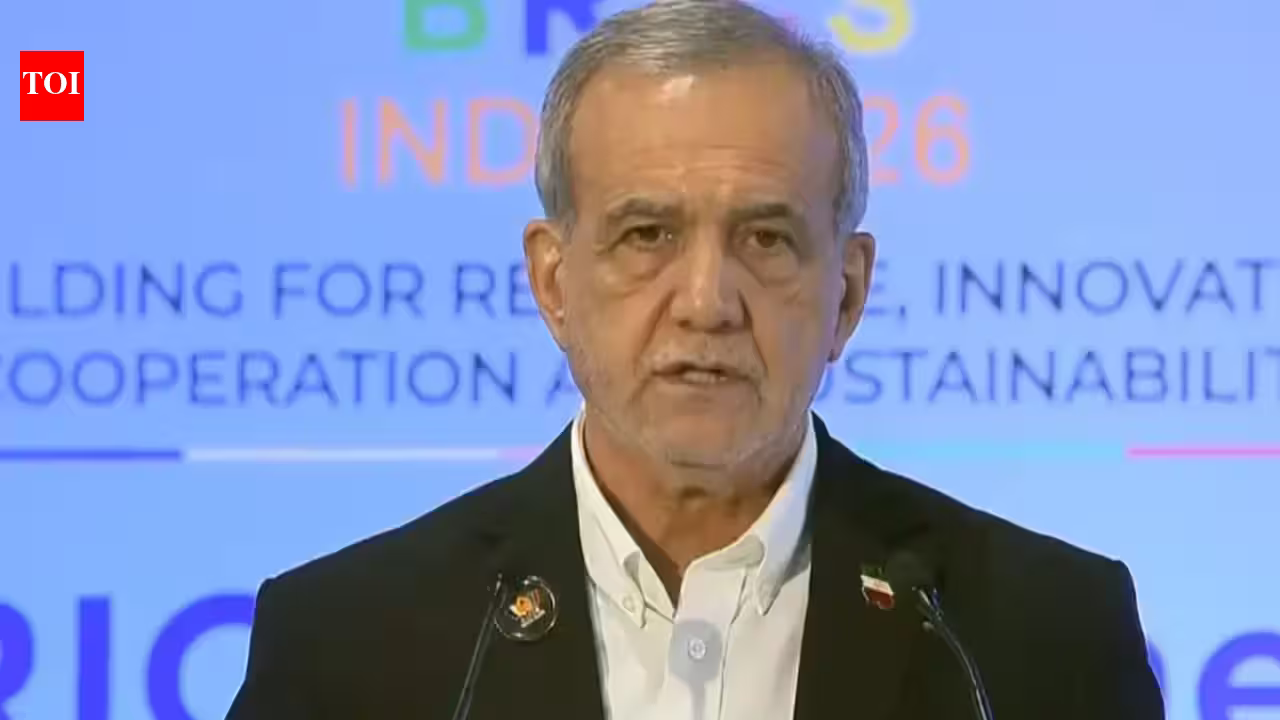
In a pointed address at the concluding session of the BRICS summit, Iranian President Masoud Pezeshkian called for a radical restructuring of global economic interactions. Seeking to shield emerging economies from the volatility of Western-dominated financial systems, Pezeshkian urged fellow BRICS members to prioritize trade in national currencies as a primary strategy to counter the impact of unilateral sanctions.
The Iranian leader’s remarks come at a critical juncture for Tehran, as the country struggles under a heavy burden of international sanctions that have stifled its economic growth. During his address, Pezeshkian did not mince words, condemning the West for what he described as “crimes and genocide” against the people of Gaza and Iran. He argued that the current reliance on existing global trade architectures has weaponized finance, making nations vulnerable to external political shocks and coercive policies.
Challenging Financial Hegemony
For Iran, the consequences of these sanctions have been severe. The Iranian rial has faced significant devaluation, inflation has soared, and the nation’s ability to export oil—its primary revenue stream—has been severely hampered. Pezeshkian highlighted that these coercive measures do not merely target a single regime but negatively impact regional food security and the general welfare of ordinary citizens.
“Excessive dependence on current financial and trade systems has rendered emerging economies fragile,” Pezeshkian stated. He proposed that the BRICS bloc must move beyond its original scope as a cooperation framework, evolving instead into a cornerstone of a “more balanced and inclusive world.” He emphasized that in this new order, “no center of power should have the right to determine the destiny of others.”
Strengthening BRICS Infrastructure
To achieve this transition, the Iranian President advocated for a robust strengthening of the New Development Bank (NDB), the financial institution established by BRICS nations to provide an alternative to Western-led financial pillars. By utilizing local currencies for cross-border trade, Pezeshkian believes that BRICS members can create an “economic shield” that promotes resilience and sustainability.
His appeal resonates with the broader geopolitical ambitions of the BRICS group, which has increasingly looked toward de-dollarization to protect its members from the long-arm reach of US-led sanctions. By fostering intra-bloc trade, the group aims to insulate itself from the risks associated with the traditional global banking system, which is heavily reliant on the US dollar.
A Demand for a Just International Order
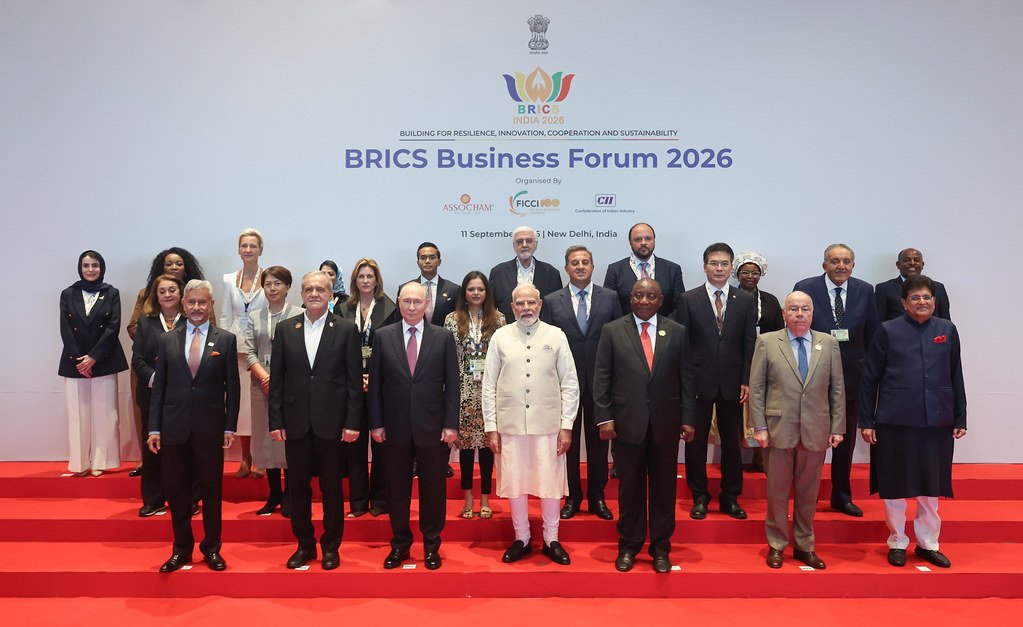
The summit concluded with a clear signal that Iran, as a recent addition to the expanded BRICS family, intends to be a vocal advocate for a multipolar global order. Pezeshkian’s vision for the bloc is one where resilience and collective cooperation are translated into tangible policy actions rather than symbolic rhetoric.
As the geopolitical landscape shifts, Iran’s push for a departure from the traditional financial status quo highlights the growing divide between the collective West and emerging powers. For the BRICS nations, the path forward appears increasingly focused on building alternative mechanisms that prioritize national sovereignty, economic independence, and a restructured global financial architecture that is less susceptible to the geopolitical agendas of a single dominant power.
Disclaimer: This content is auto-generated for informational purposes only.
Source: Read Original News