







The Legacy of Tandy and the RadioShack Catalog
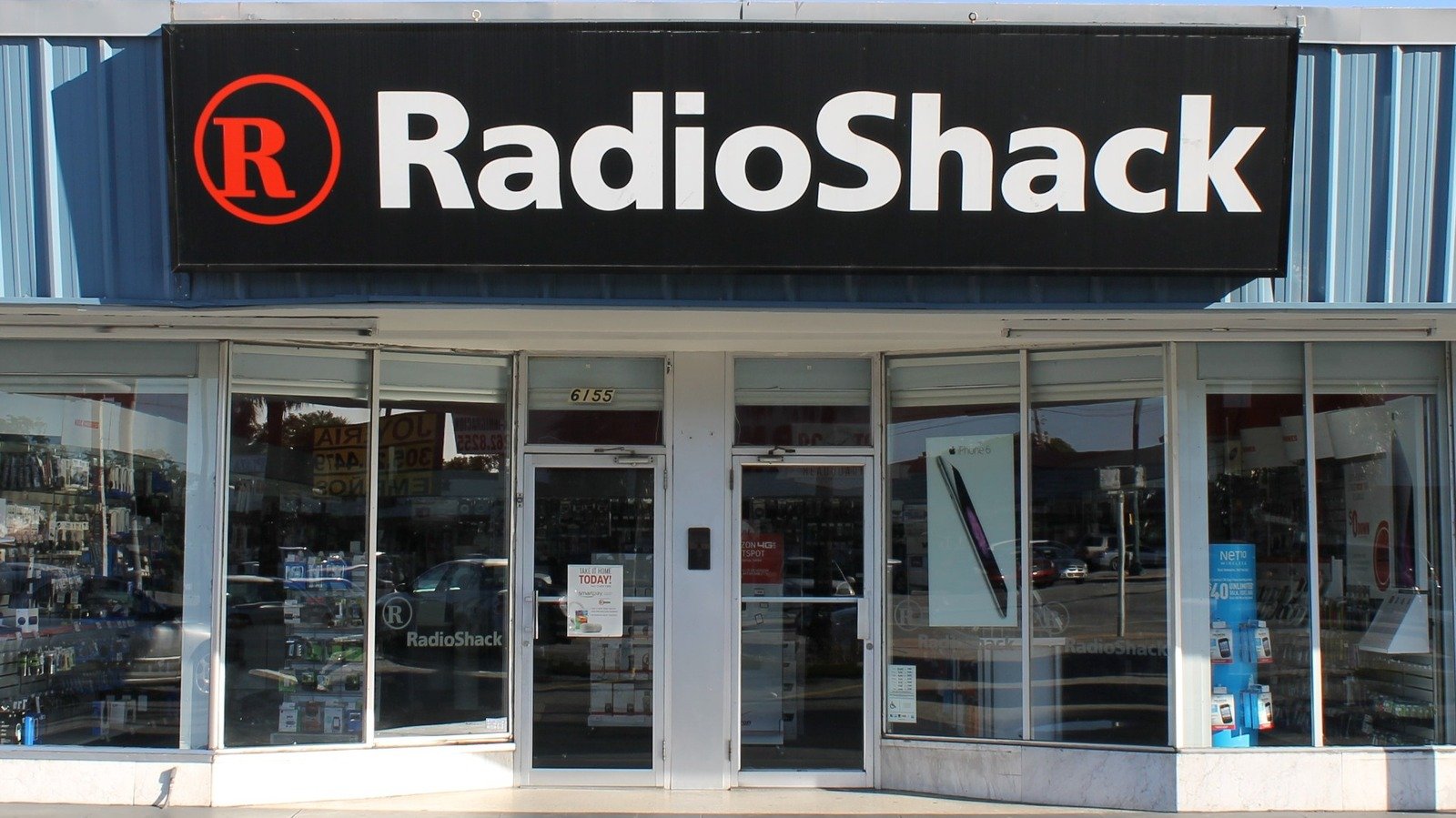
For decades, RadioShack stood as the epicenter of consumer electronics in the United States. Owned by the Tandy Corporation, the retailer functioned as a hardware hub for hobbyists, parents, and curious minds alike. While the company eventually pivoted away from its brick-and-mortar dominance, its historical footprint remains significant. RadioShack was unique in its inventory strategy; it prioritized proprietary devices—often manufactured under the Tandy or Science Fair labels—that could not be purchased at general department stores. This exclusivity turned every local store into a curated showroom for the latest technical advancements of the 20th century. Today, these products represent a landmark in the evolution of personal computing, portable entertainment, and educational engineering tools.
Pioneering Home Entertainment: From TV Scoreboards to Portable LCDs
RadioShack’s foray into home gaming and media was defined by a desire to bring expensive or industrial-grade technology into the household. In 1976, the company introduced the TV Scoreboard, a dedicated gaming console that capitalized on the post-Pong arcade fervor. By offering a variety of games like “Motocross” and “Hockey” with physical paddles, RadioShack brought high-interaction media to living rooms at a fraction of the cost of larger systems.
This commitment to portable technology continued into the late 1980s with the PocketVision 22. At a time when television was tethered to bulky cathode-ray tubes, the PocketVision offered a 2-inch LCD screen. This device foreshadowed the modern era of mobile streaming, providing a high-tech solution for consumers to track live sports while in transit. While the technical limitations of 1989—such as the requirement for multiple AA batteries and the lack of high-speed bandwidth—seem archaic today, the PocketVision was a significant leap in miniaturizing broadcast reception.
The Rise of Personal Computing and Digital Utility
Perhaps the most enduring contribution of the Tandy Corporation was the TRS-80 home computer. Released in 1977, it secured its place as one of the “Holy Trinity” of early personal computing alongside the Apple II and Commodore PET. By providing a Z80-based system with 4 kB of DRAM, RadioShack democratized programming for the masses. Unlike systems that required complex professional installations, the TRS-80 was marketed to the average household, with the computer integrated directly into the keyboard assembly.
Beyond computing, the company also revolutionized domestic communication through products like the Duōfone Telephone Answering System. Before digital voice mail was a standard feature, the Duōfone offered a sophisticated way to manage incoming calls using battery-backed analog tapes. This reliability during power outages, coupled with its ease of use, solidified the answering machine as a staple of the late 20th-century home, bridging the gap between basic telephony and the digital age.
Educational Engineering and the Science Fair Kits
The core identity of RadioShack was its dedication to technical education. Throughout the 1960s, 70s, and 80s, the Science Fair brand provided children with the tools to understand electricity and logic without the need for dangerous soldering. The Electronics Learning Lab served as a pedagogical cornerstone, utilizing spring-based breadboards to allow users to build functional circuits for sirens, motion detectors, and Morse Code transmitters.
This emphasis on learning was further supported by toys like the Armatron. Launched in 1984, the Armatron was a robotic arm that functioned as an introductory course in mechanical control. By employing two joysticks to operate a multi-axis gripper, children learned the fundamentals of spatial reasoning and engineering. By framing these products as toys rather than textbooks, RadioShack fostered a generation of engineers and technicians who trace their first technical experiences back to these store-bought kits.
Iconic Gadgets and the Culture of Curiosity
RadioShack was equally famous for its willingness to stock unconventional items. Products such as the Refrigerator Pig, a motion-activated, snorting plastic device meant to discourage late-night snacking, highlighted the company’s eccentric retail philosophy. While seemingly frivolous, these gadgets maintained a consistent presence on shelves, often powered by the same 9-volt batteries that served as the backbone of the store’s daily revenue.
Similarly, the Illuma-Storm light displays introduced plasma-physics aesthetics to the home market. By utilizing rare, safe gases, these lamps provided a visual interface that responded to sound, effectively merging high-energy physics with interior design. Whether it was the high-cost, high-tech “Go-Anywhere” cellular telephones of 1989 or the multi-functional boomboxes that combined radio, cassette recording, and black-and-white television in a single unit, RadioShack’s inventory was a testament to the rapid pace of technological change. These items remain not just relics of a specific brand, but markers of the curiosity that drove the development of the electronic devices used today.
Disclaimer: This content is auto-generated for informational purposes only.
Source: Read Original News