







A Strategic Alliance Between Gaming Giants
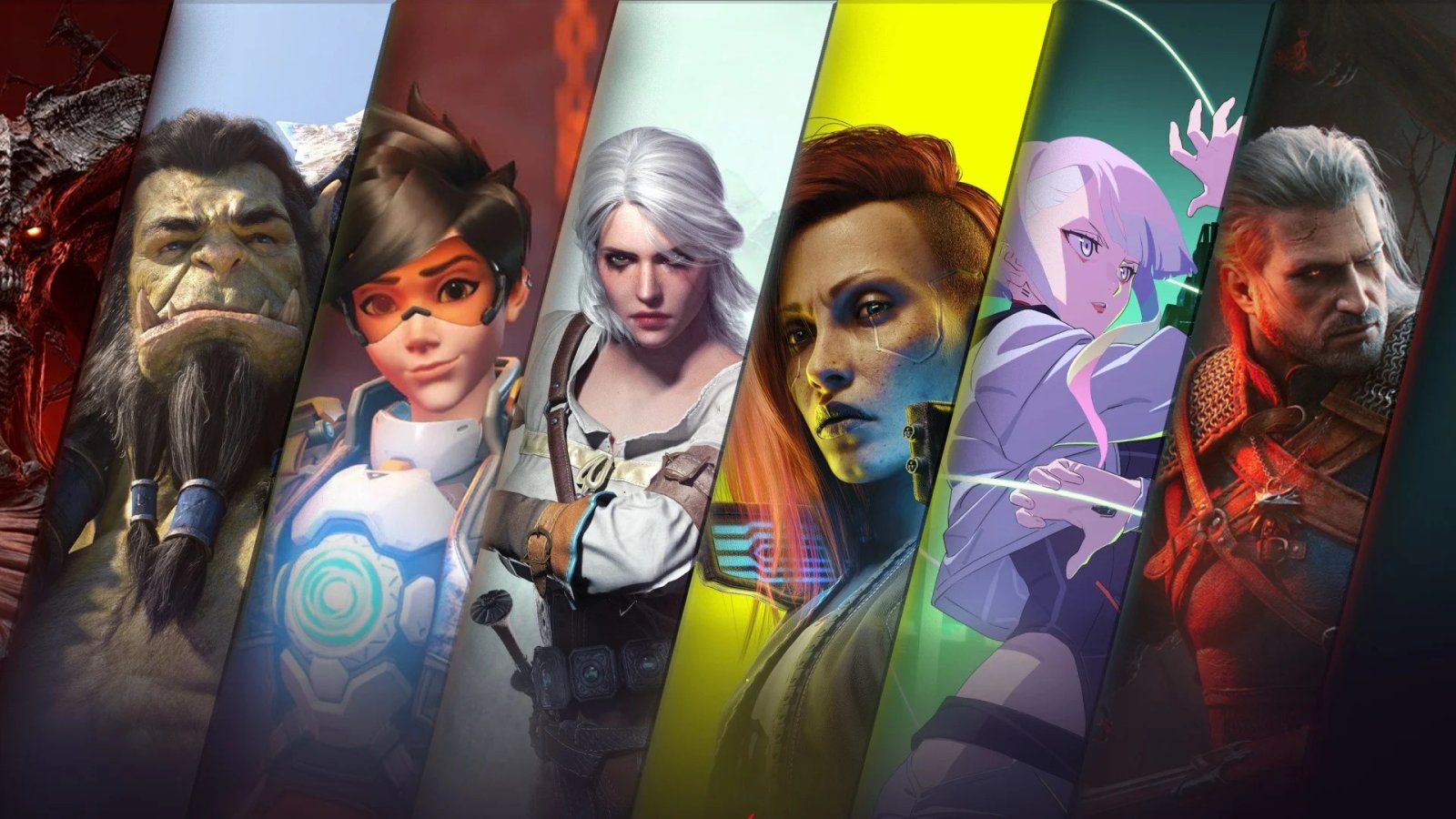
The landscape of modern gaming has shifted significantly following the recent announcements at BlizzCon 2026. CD Projekt Red and Blizzard Entertainment, two of the most influential entities in the industry, have solidified a collaborative partnership that promises to bridge their respective universes. This multi-year initiative, initially teased during Gamescom, reached a critical milestone during the second day of BlizzCon, where developers unveiled the first fruits of this high-profile synergy. By integrating narrative and aesthetic elements from their flagship franchises, the companies are aiming to increase player engagement through cross-platform content infusions.
The collaboration centers on the thematic cohesion between the dark fantasy elements of the Diablo series and the gritty, monster-hunting lore of The Witcher. This intersection of intellectual properties allows for the introduction of crossover assets that feel grounded within the existing frameworks of both titles. By leveraging the technical infrastructure of Battle.net, the developers are streamlining the acquisition of these crossover items, ensuring that the integration process remains seamless for the existing user base.
Diablo IV and the Witcher Integration
The headline feature of this partnership is the introduction of a Witcher-themed cosmetic transformation for the Barbarian class in Diablo IV. Designed to replicate the distinct appearance of Geralt of Rivia, the skin incorporates specific visual cues from the Witcher series, such as signature leather armor patterns, silver and steel sword variants, and the iconic medallion. This modification goes beyond simple texture swapping; it represents a deliberate effort to align the Barbarian’s heavy-combat animations with the fluid, calculated strikes associated with a professional monster slayer.
Technical access to this content is tethered to the upcoming expansion for The Witcher 3, titled Songs of the Past. Players who secure the expansion via the Battle.net ecosystem will automatically unlock the skin. While the current rollout is confirmed exclusively for the PC platform, industry analysts suggest that the technical modularity of Diablo IV could facilitate a wider release. Should the integration prove successful regarding server performance and player reception, the teams at CD Projekt Red and Blizzard have indicated that expansion to console platforms is a logical progression.
Expanding the Scope: The Future of Content
CD Projekt Red representatives have clarified that the Geralt-inspired skin is merely the initial phase of a broader long-term strategy. During the presentation, officials noted that the partnership encompasses a multi-year roadmap, with significant content drops scheduled for 2027. This indicates that the current offerings are a baseline, with more substantial gameplay additions—potentially including new gear sets, unique legendary items, or cross-franchise quest lines—still under development.
The systematic approach to these releases ensures that the technical integrity of both game engines is maintained. By staggering the rollout, the teams can monitor how these external assets affect frame rates, memory allocation, and inventory management systems within the Diablo IV framework. This cautious deployment strategy is essential given the complexity of live-service titles, where even minor cosmetic additions can influence game stability if not properly optimized.
Cyberpunk Meets Overwatch: A New Frontier
Beyond the Diablo integration, BlizzCon 2026 served as the venue for announcing a second major crossover between the Overwatch roster and the Cyberpunk: Edgerunners universe. This stylistic shift from high fantasy to futuristic, neon-drenched dystopia demonstrates the versatility of the partnership. The crossover focuses on integrating iconic character designs from the Edgerunners narrative into the hero-shooter mechanics of Overwatch.
This collaboration is particularly significant because it impacts the competitive visual language of the game. Overwatch relies heavily on distinct character silhouettes to ensure that players can identify heroes quickly in high-intensity scenarios. The technical challenge, therefore, lies in incorporating the Cyberpunk aesthetic while maintaining these crucial gameplay indicators. Preliminary glimpses revealed at the event show a commitment to maintaining color palettes and hitbox consistency, ensuring that the new content remains balanced for competitive play.
Impact on the Industry and Player Ecosystem
The collaboration represents a significant shift in how intellectual property is handled in the current gaming climate. By sharing assets and creative direction, CD Projekt Red and Blizzard are effectively merging their player communities. For the consumer, this translates to increased value for existing game purchases, as content in one title unlocks utility in another. This cross-pollination strategy is a direct response to the demand for deeper, more interconnected digital experiences.
Furthermore, this move acts as a test case for future industry partnerships. If these crossovers succeed in driving player retention and expanding the reach of individual titles, other publishers are likely to follow suit, leading to an increase in high-budget, inter-studio cooperation. As the industry moves toward 2027, the focus will remain on how effectively these studios can balance creative freedom with technical stability. For now, the integration of Witcher-themed Barbarians and Cyberpunk-themed Overwatch heroes stands as a testament to the evolving nature of game development, where the boundaries between franchises are becoming increasingly permeable for the benefit of the global player base.
Disclaimer: This content is auto-generated for informational purposes only.
Source: Read Original News