









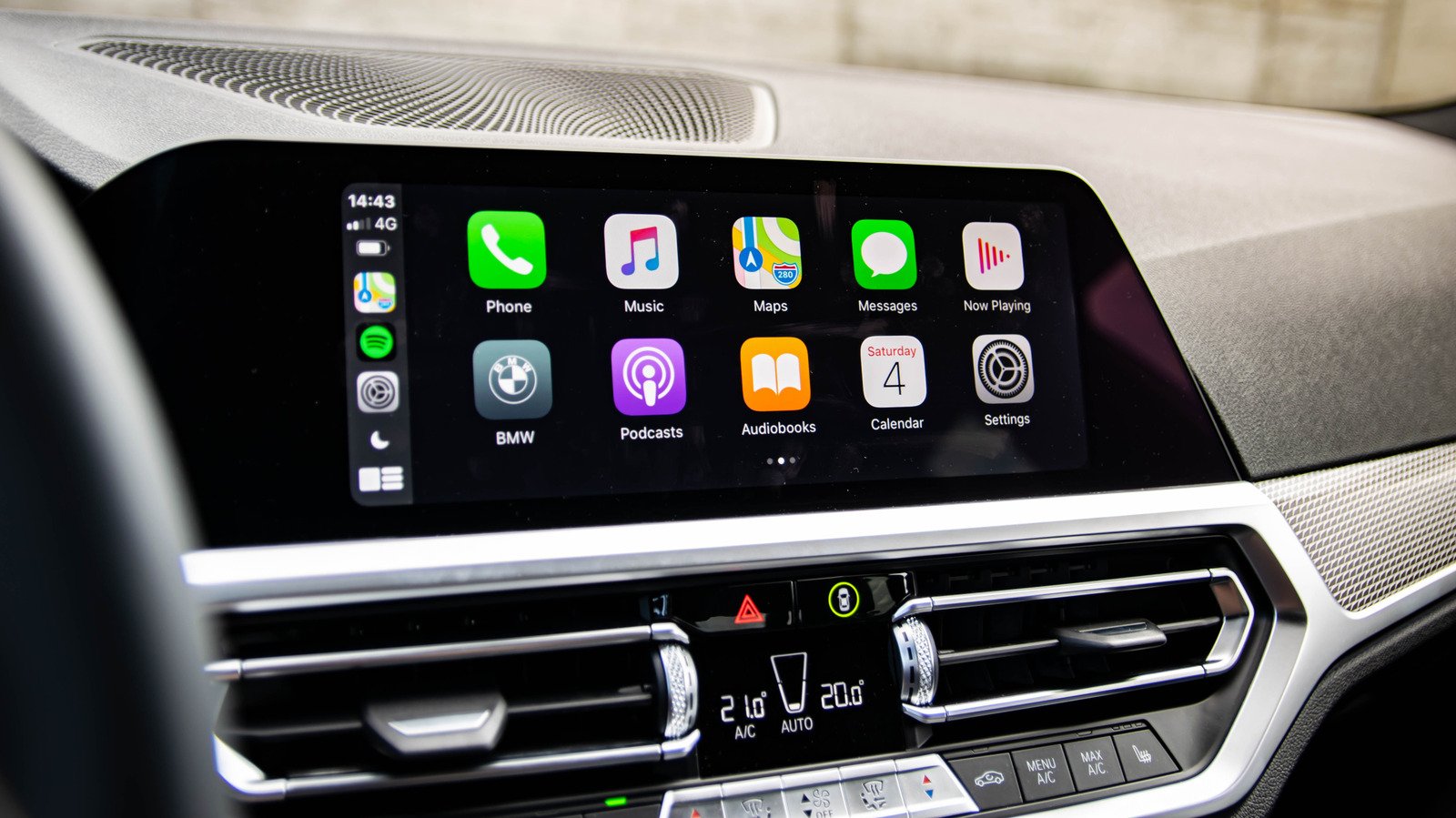
The Evolution of In-Car Connectivity and the CarPlay Shift
For over a decade, Apple CarPlay has served as the industry standard for bridging the gap between mobile technology and automotive dashboard interfaces. Its premise was simple and highly effective: provide a consistent, user-friendly experience by allowing drivers to bypass proprietary, often clunky infotainment systems in favor of the apps they already use on their iPhones. However, as the automotive sector transitions toward software-defined vehicles, the relationship between automakers and tech giants like Apple is undergoing a significant transformation. Manufacturers are increasingly looking to reclaim the digital dashboard, leading to a wave of decisions to phase out CarPlay in favor of proprietary or third-party operating systems.
This shift represents a fundamental change in how manufacturers view the vehicle. Where once a car was defined by its mechanical components, it is now increasingly defined by its software. By moving away from CarPlay, companies such as General Motors aim to regain control over the user experience, data collection, and the future potential for digital services.
Why Automakers are Reevaluating the Interface
The initial push for CarPlay and Android Auto was driven by the inadequacies of early automotive software. Many factory-installed systems were notoriously difficult to navigate, suffered from slow response times, and lacked support for modern connectivity. For manufacturers, licensing Apple’s solution was an easy way to provide a premium experience without investing heavily in their own software development.
However, the rise of electric vehicles (EVs) has changed these priorities. Modern EVs require deep integration between the infotainment system and the vehicle’s hardware, including battery management, range estimation, and precise charging station navigation. Standard CarPlay is primarily a projection tool—it “mirrors” apps from the phone onto the car’s screen—but it lacks deep access to the vehicle’s underlying architecture. Automakers argue that by using native, manufacturer-controlled systems, they can provide a more holistic experience where the software actively manages the car’s unique requirements.
The Rise of Android Automotive as a Competitor
General Motors is leading the charge away from Apple’s ecosystem, opting instead for Android Automotive. It is critical to distinguish this from the familiar “Android Auto.” While Android Auto is a smartphone projection service similar to CarPlay, Android Automotive is a full-scale, stand-alone operating system that runs directly on the vehicle’s hardware.
This move allows GM to house everything within a proprietary software environment. By building on top of the Android Automotive platform, manufacturers can offer integrated Google services—such as maps that account for battery state-of-charge during route planning—without the user needing to tether their phone. For the manufacturer, this eliminates the dependency on the driver’s device, potentially creating a more robust, always-on connectivity experience. Furthermore, it centralizes control, allowing the manufacturer to gather diagnostic data, monitor usage patterns, and potentially monetize through subscription-based software services.
Data Control and the Trust Factor
A significant motivation behind this shift is the value of user data. When a driver uses CarPlay, the vehicle manufacturer loses access to the rich telemetry and behavioral data that accompanies navigation and entertainment choices. By keeping the interface in-house, companies like GM can track how, where, and when their customers are driving, which provides valuable insights for future vehicle design and marketing.
This transition has not been without controversy. Automakers must balance their desire for data ownership with the growing public concern regarding digital privacy. In the United States, recent regulatory scrutiny, including an FTC action against General Motors regarding the collection and sale of driver behavioral data, highlights the tension between tech-enabled vehicles and consumer protection. For the manufacturer, the goal is to build a “walled garden” that mirrors the successful software ecosystems of smartphones, but doing so requires a level of consumer trust that is still being tested.
Can Apple Compete with “CarPlay Ultra”?
Apple is not standing by while manufacturers pivot toward their own systems. The company introduced “CarPlay Ultra,” a next-generation version of its software designed to take full control of the vehicle’s digital ecosystem. Unlike the standard version, which occupies only the center infotainment screen, the new iteration can span across the digital instrument cluster, providing speed, fuel or battery levels, and tire pressure metrics directly alongside Apple Maps navigation.
This update effectively addresses the “integration gap” by allowing the system to communicate with the vehicle’s internal sensors. By offering a unified, high-performance interface that covers every screen in the dashboard, Apple is attempting to prove that manufacturers do not need to build their own software from scratch to achieve deep vehicle integration.
Despite these features, the fundamental hurdle remains: manufacturers like GM remain wary of ceding control. CarPlay Ultra still requires an iPhone to function, which contradicts the goal of making the car a self-sufficient digital hub. Furthermore, the collaboration required to implement such deep integration is extensive, and automakers appear hesitant to hand over such high-level access to a third-party developer. While Apple continues to expand its reach, the future of the car dashboard is likely to remain a battleground between the convenience of familiar smartphone ecosystems and the desire for full-stack control by the manufacturers themselves.
Disclaimer: This content is auto-generated for informational purposes only.
Source: Read Original News