








Bangladesh Calls for ‘Reset’ in Ties with India, Terms Previous Era ‘Uncomfortable’
DHAKA – In a significant shift in regional diplomacy, the Bangladeshi government has announced its intention to “reset” its bilateral relationship with India. The move, articulated by State Minister for Foreign Affairs Humaiun Kobir, signals a desire to dismantle the perceived dependency that characterized the era of former Prime Minister Sheikh Hasina, which Dhaka now views as an “uncomfortable” period of cooperation.
Moving Beyond “India Fascination”
During a press briefing on Sunday, Minister Kobir emphasized that Dhaka intends to pursue a more balanced and autonomous foreign policy. He explicitly stated that Bangladesh must move past its “excessive preoccupation” with New Delhi, arguing that the time has come for the nation to prioritize its own domestic interests and broaden its diplomatic engagements globally.
“We have to get out of the India fascination,” Kobir remarked. “India is just another country, and Bangladesh wants good bilateral relations with it.” He further clarified that Dhaka prefers that these interactions remain grounded in formal bilateral discussions rather than being filtered through multilateral platforms. Drawing a sharp analogy regarding the intensity of previous diplomatic ties, the minister quipped, “Breakfast in India, lunch in India, dinner in India—then when will you eat your own food?”
The relationship between the two South Asian neighbors has faced considerable strain since August 2024, when a youth-led mass movement forced the resignation of Sheikh Hasina, who subsequently fled to India. The provision of refuge to the former leader has created a palpable diplomatic chill that the new administration is now looking to address through a redefined framework of engagement.
Diplomatic Missteps and the BRICS Summit
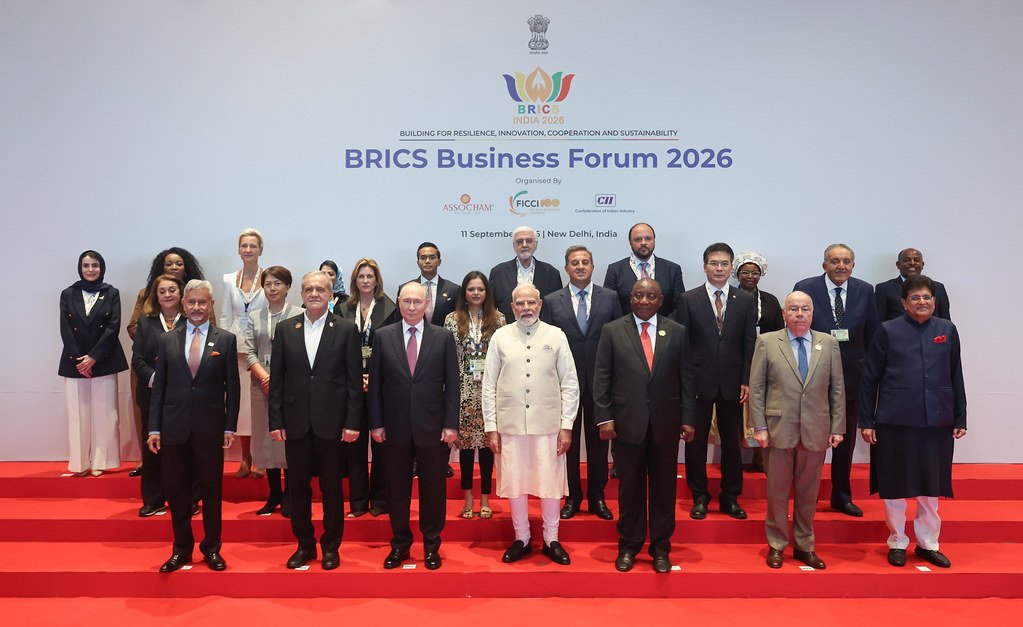
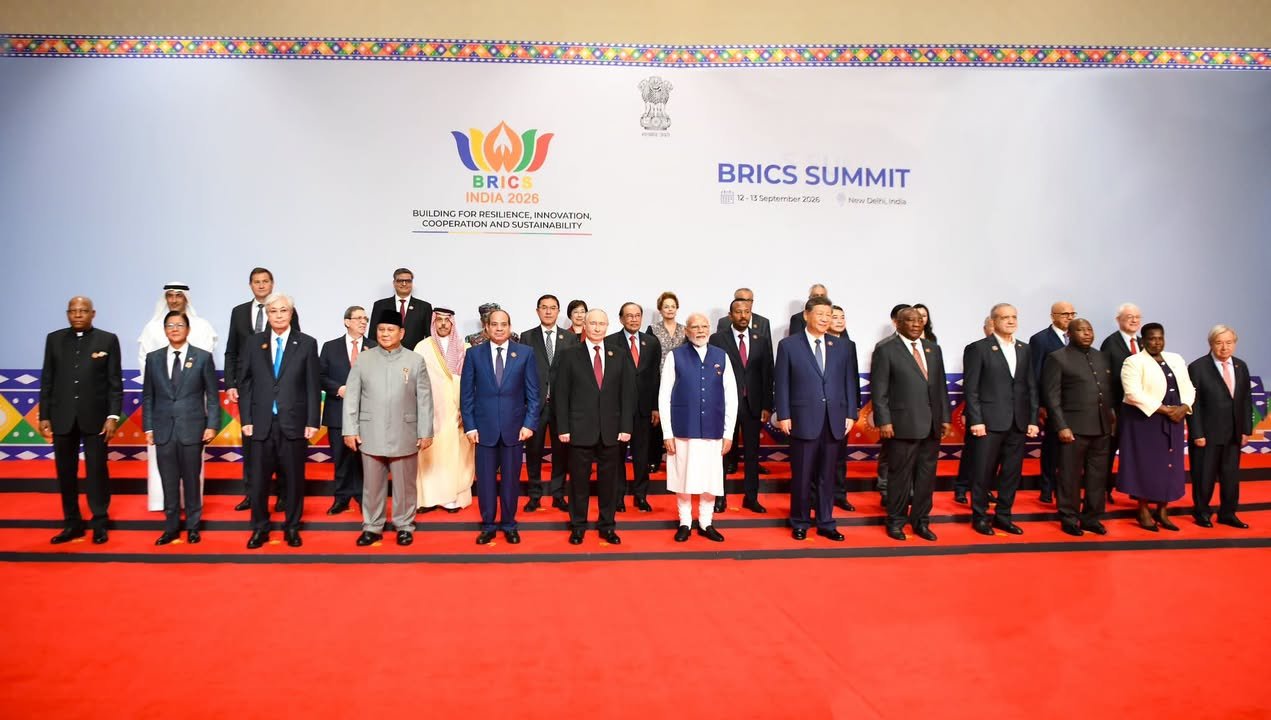
The call for a reset follows a sequence of diplomatic confusion surrounding the recent BRICS Summit hosted by India. Although Prime Minister Tarique Rahman was reportedly extended a bilateral invitation by India as early as February, his attendance did not materialize.
Government officials in Dhaka clarified that Prime Minister Rahman would not be participating in the summit because the formal invitation extended to him was in his capacity as the chairman of the Bay of Bengal Initiative for Multi-Sectoral Technical and Economic Cooperation (BIMSTEC), rather than as a bilateral guest. This distinction led to the Prime Minister’s absence from the event, which concluded on Sunday, highlighting the underlying friction currently complicating communication between the two capitals.
Upcoming UNGA Focus
Looking ahead, the Bangladeshi government is directing its diplomatic energy toward the global stage. Minister Kobir confirmed that Prime Minister Rahman is scheduled to depart for New York on September 21 to participate in the 81st session of the United Nations General Assembly (UNGA).
While speculation has mounted regarding a potential meeting between Prime Minister Rahman and U.S. President Donald Trump on the sidelines of the UNGA, the State Minister remained cautious. He noted that such high-level diplomatic interactions are often finalized at the very last moment. For now, the administration is maintaining that the primary objective of the visit is to deliver the national address at the General Assembly, with any additional bilateral sideline meetings to be confirmed as the schedule crystallizes.
As Bangladesh navigates this transitional phase, the message from Dhaka is clear: the country is seeking a new chapter of engagement with India—one based on mutual parity rather than the close-knit, sometimes controversial, proximity of the past.
Disclaimer: This content is auto-generated for informational purposes only.
Source: Read Original News