




Dhaka Seeks to ‘Reset’ Ties with New Delhi, Distances Itself from ‘India Fascination’
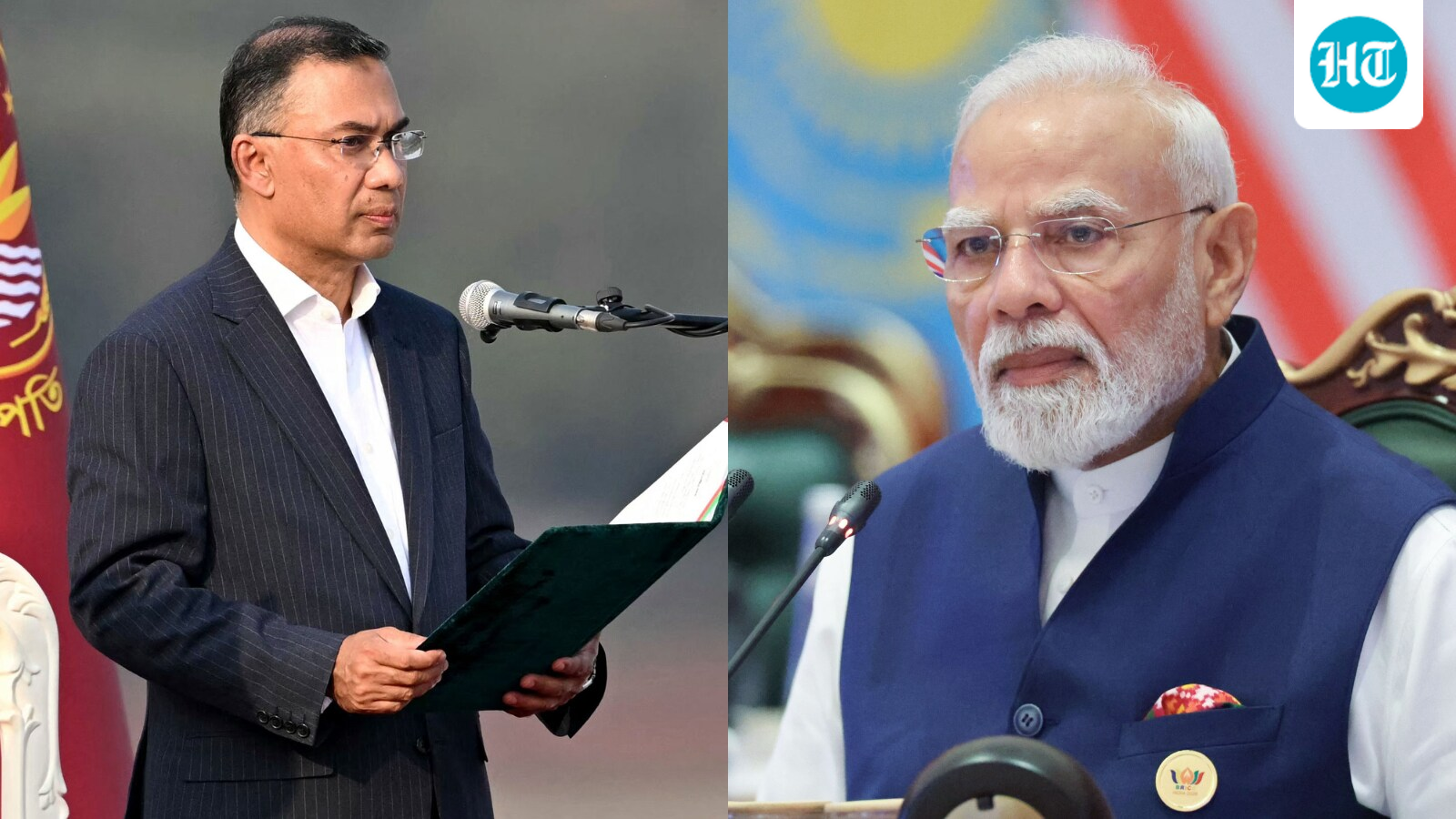
In a significant shift in regional diplomacy, the government of Bangladesh has formally signaled its intent to overhaul its bilateral relationship with India. Humaiun Kobir, the state minister for foreign affairs in Dhaka, stated that the current administration is aiming for a “reset” to replace what he described as the “uncomfortable” nature of diplomatic ties maintained during the tenure of former Prime Minister Sheikh Hasina.
The overture comes at a time when relations between the two neighbors have cooled significantly following the ouster of Hasina in August 2024, after which she sought refuge in India. Since that political transition, the new leadership in Dhaka has increasingly emphasized a policy of sovereign balance and a departure from the previous government’s perceived over-reliance on New Delhi.
Moving Beyond ‘India Fascination’
Addressing reporters in Dhaka on Sunday, Minister Kobir articulated a vision for a more pragmatic, balanced foreign policy. He suggested that Bangladesh had previously suffered from an “excessive preoccupation” with its neighbor, which he argued hindered the country’s independent development.
Using a vivid metaphor to describe this dependency, Kobir remarked, “Breakfast in India, lunch in India, dinner in India—then when will you eat your own food?” He explicitly called for the nation to move past what he termed “India fascination,” asserting that while Bangladesh desires healthy working relations with New Delhi, it must prioritize its own national interests and treat India as just one of many partners on the global stage.
The minister underscored that the future of this partnership should be defined through direct, bilateral discourse rather than being mediated by multilateral platforms. This clarification followed recent diplomatic friction, where reports emerged that Prime Minister Tarique Rahman would skip the upcoming BRICS Summit hosted in India, citing that he had not been “properly invited.” Despite India having extended both a bilateral invitation and an invite for the BRICS event in his capacity as the BIMSTEC chair, Dhaka opted not to formally accept.
Review of Bilateral Agreements
The move to redefine the relationship extends beyond rhetoric and into the legal framework governing bilateral affairs. Nurul Islam Moni, chief whip of the ruling Bangladesh Nationalist Party (BNP), confirmed that Dhaka is currently conducting an extensive review of 101 Memorandums of Understanding (MoUs) and agreements signed with India under the previous administration.
When pressed on whether this review might lead to the cancellation of major infrastructure and logistical pacts—such as those granting India access to the Chattogram and Mongla ports—Moni remained non-committal but suggested that the findings would be disclosed in the near future. Minister Kobir confirmed that these reviews are proceeding as a matter of standard parliamentary process.
As Bangladesh moves to recalibrate its foreign policy, the “reset” represents an attempt by the new government to assert its agency. Whether this transition leads to a more balanced economic partnership or further cooling of diplomatic warmth remains to be seen, as both nations navigate a post-Hasina landscape defined by shifting political priorities and internal scrutiny of long-standing regional accords.
Disclaimer: This content is auto-generated for informational purposes only.
Source: Read Original News