








Apple Eyes Gaming Market with New Hardware Initiative
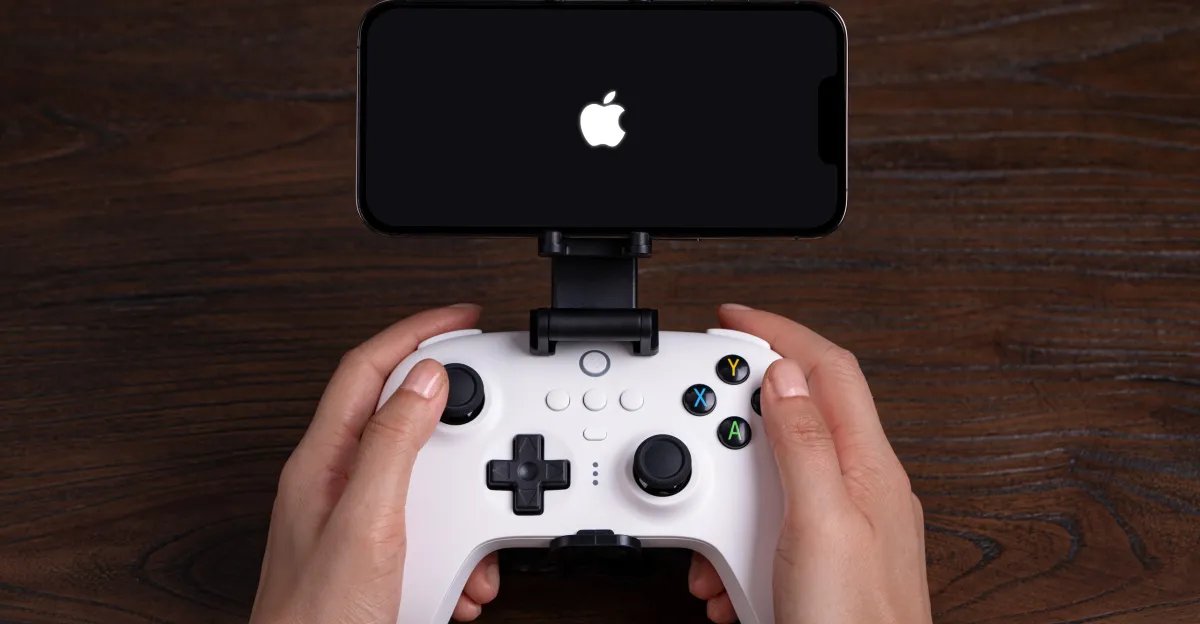
The landscape of mobile gaming is poised for a significant transformation as reports emerge regarding Apple’s latest hardware development. According to insights from industry analyst Mark Gurman and corroborated by recent findings in macOS 26.7 code, Apple is actively developing two distinct game controllers. While Apple has long maintained a presence in the gaming sector through the App Store and Apple Arcade, the introduction of proprietary physical controllers signifies a deeper commitment to hardware-level integration for the iPhone.
These upcoming devices are expected to carry the branding of Beats, Apple’s subsidiary audio division. This strategic choice suggests that Apple intends to position these controllers as accessible, lifestyle-oriented peripherals rather than strictly high-end premium accessories. By leveraging the Beats brand, Apple can navigate the gaming market with a distinct identity that balances high performance with broader consumer appeal, potentially bypassing the restrictive design constraints often associated with the primary Apple product lineup.
Technical Integration and Cross-Platform Potential
The discovery of references to these controllers within the macOS 26.7 operating system code provides a technical blueprint for how these devices might function. Although the initial reports point toward the iPhone as the primary target for these controllers, the presence of these files in macOS suggests a broader cross-platform strategy. It is highly likely that these controllers will feature seamless compatibility across the entire Apple ecosystem, including iPads, Macs, and Apple TV.
Technically, these controllers are expected to utilize low-latency wireless communication protocols to ensure precise inputs, which remains the primary challenge in mobile gaming. By controlling both the software environment—via the gaming frameworks within iOS and macOS—and the physical hardware input, Apple is positioned to minimize input lag and latency spikes. This vertical integration allows for a level of system responsiveness that third-party controller manufacturers often struggle to achieve through universal standards like HID profiles.
Leveraging the Beats Ecosystem
The decision to house these controllers under the Beats brand is a calculated move to expand Apple’s market footprint. Historically, Beats has operated with a degree of autonomy that allows for faster iterations and a different aesthetic language than the minimalist, aluminum-and-glass design philosophy typically seen with the iPhone or Mac. For a game controller, which requires ergonomic considerations, durability, and a focus on tactile feedback, this flexibility is an advantage.
Beats has already successfully introduced a range of accessories, such as iPhone cases and power adapters, which indicates a transition toward a more diverse accessory ecosystem. Gaming controllers require a robust supply chain that focuses on rubberized grips, high-quality switches, and durable structural polymers. By utilizing the Beats infrastructure, Apple can maintain a more aggressive price point, ensuring that these controllers remain attractive to a wide demographic, including younger consumers and casual gamers who might be deterred by the premium pricing associated with the primary Apple brand.
Features and Ergonomic Expectations
While specific hardware specifications have yet to be finalized, industry observers anticipate that the two controllers will cater to different gaming styles. A standard model likely targets the broad consumer base with a familiar layout, while a secondary, potentially more sophisticated model could include advanced features such as customizable back buttons, swappable analog sticks, or haptic triggers.
Precision and ergonomic design are the core pillars of a competitive game controller. To compete with established peripherals, Apple’s devices will likely feature high-grade haptic feedback engines—possibly drawing from the technology found in the Taptic Engine used in iPhones. This would allow developers to provide specific physical sensations that correspond to in-game actions, such as the tension of a bowstring or the texture of a surface. Furthermore, the integration with Apple Arcade suggests that the software will be optimized to recognize these controllers immediately, offering a “plug-and-play” experience that remains elusive on other mobile platforms.
The Impact on the Mobile Gaming Industry
The introduction of first-party hardware by Apple could fundamentally alter the mobile gaming market. Currently, developers often hesitate to build complex, console-quality experiences for the iPhone because the lack of physical buttons creates a barrier for players. If a large segment of the iPhone user base adopts these standardized controllers, it creates a more reliable environment for developers to port sophisticated titles to mobile devices.
This shift potentially narrows the gap between mobile gaming and traditional console platforms. By providing a professional-grade interface for the iPhone, Apple is encouraging a transition where the phone serves as a primary, rather than secondary, gaming machine. This move also serves as a defensive measure against dedicated portable gaming handhelds that have recently seen a resurgence in popularity. By ensuring that the iPhone can function as a high-fidelity gaming device through its own controller, Apple protects its stake in the digital distribution market and reinforces the utility of its hardware beyond simple application use.
Looking Ahead to Official Announcements
As development continues, the primary focus will remain on how Apple bridges the gap between its premium brand image and the practical requirements of gaming hardware. The reliance on the Beats brand suggests that Apple is prioritizing reach and utility, ensuring that these devices serve as functional tools for the gaming community.
While the current reports from macOS code indicate that development is well underway, the specific release timing remains subject to change as Apple refines the user experience and manufacturing processes. Should these controllers arrive as expected, they will mark a defining moment for the company’s gaming strategy, proving that Apple is serious about capturing the segment of the market that demands high-precision, tactile controls on the go. By combining internal hardware expertise with the cultural reach of the Beats brand, Apple is setting the stage for a new standard in mobile interaction.
Disclaimer: This content is auto-generated for informational purposes only.
Source: Read Original News