







The Rise and Halt of Unofficial Multiplayer Development
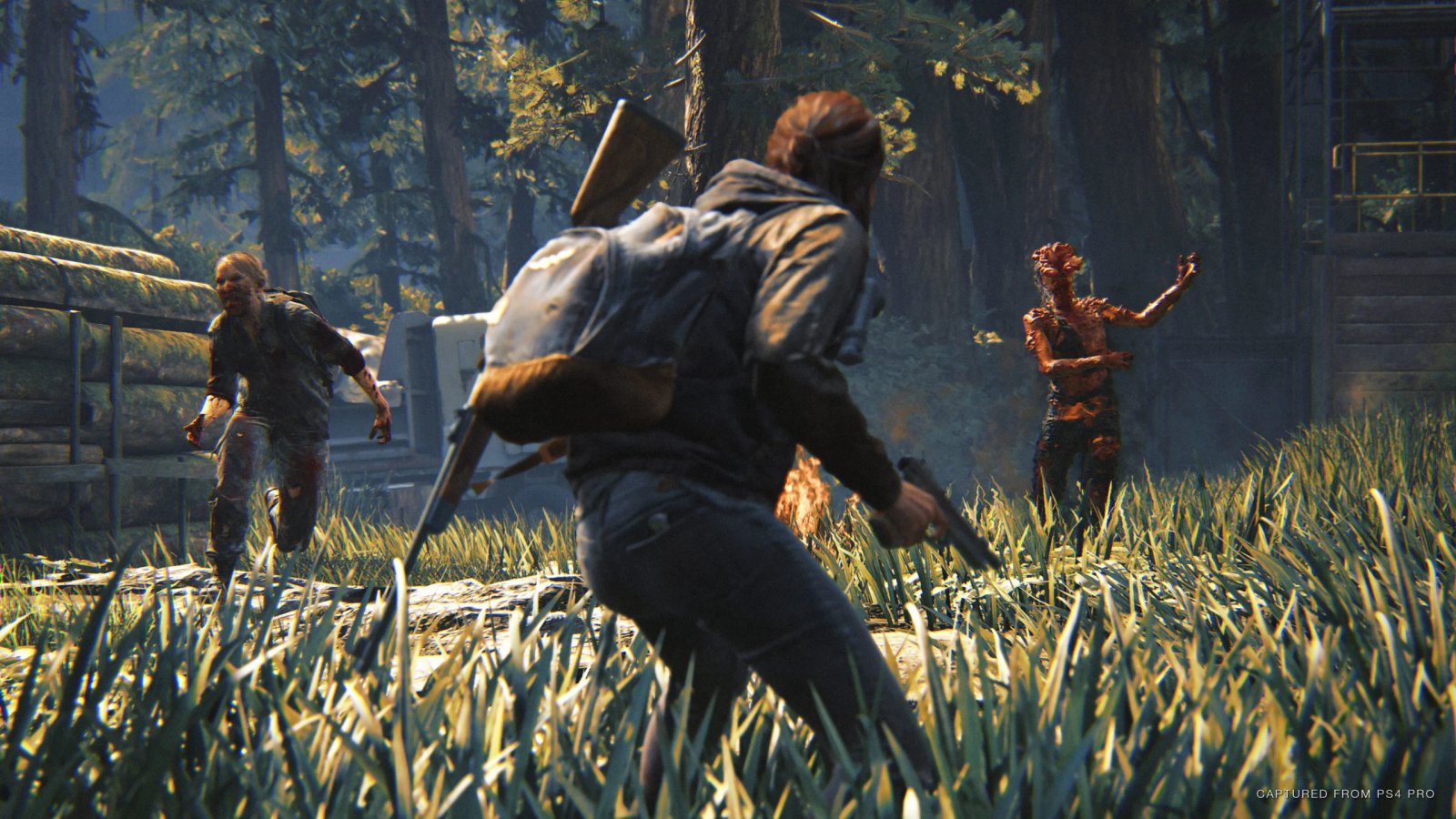
The landscape of PC gaming often sees dedicated fan communities bridge the gaps left by official studio roadmaps. Recently, the modding collective known as Speclizer brought significant attention to this trend by showcasing a functional multiplayer modification for The Last of Us Part 2. This project, which had been in active development since January, sought to integrate competitive and cooperative gameplay mechanics into an environment built from the framework of the single-player title.
The mod gained traction through social media and a technical showcase on YouTube, where the creators demonstrated features that fans had long associated with the series’ previous multiplayer iteration, Factions. These features included custom perks, tactical listening modes, and entirely new map geometry. Through a combination of reverse engineering and custom scripting, the team managed to demonstrate smooth character movement and network synchronization. However, the trajectory of this project shifted abruptly when the developers received an official communication on behalf of Sony Interactive Entertainment, requesting the immediate cessation of its release.
Legal Boundaries in Modding Culture
The termination of the project highlights the complex relationship between software publishers and the modding community. While many developers foster fan-made content to extend the longevity of their titles, there is a clear distinction between cosmetic modifications and the introduction of new gameplay modes that utilize a studio’s proprietary intellectual property.
When a project moves beyond texture packs or minor quality-of-life adjustments to implement significant features—such as multiplayer infrastructure—it enters a legal gray area. Sony Interactive Entertainment and Naughty Dog hold strict rights over the,, code, assets, and service components of their games. By utilizing these assets to create a functioning multiplayer mode, the developers were operating outside the parameters typically granted in end-user license agreements. The directive from the rights holders serves as a reminder that regardless of the technical prowess involved, unauthorized expansion of copyrighted software remains subject to intellectual property enforcement.
Contextualizing the Gap in Official Content
To understand the fervor surrounding the Speclizer mod, one must look at the history of multiplayer within The Last of Us franchise. During the development of The Last of Us Part 2, Naughty Dog famously pivoted its strategy. In 2019, studio leadership announced that the multiplayer component originally planned for the sequel would be excised to allow for a singular focus on the scope and technical fidelity of the campaign.
This decision created a void for a dedicated segment of the player base that valued the high-stakes, strategic gameplay found in the original 2013 title. Naughty Dog subsequently signaled that a standalone multiplayer project, titled The Last of Us Online, was in production. The studio invested substantial resources into this effort, detailing its ambitious scale and original narrative. Ultimately, the studio canceled the standalone project in 2023. The internal reasoning provided by Naughty Dog was that the studio would need to commit to a live-service model that would effectively prevent them from producing the narrative-driven single-player experiences for which the studio is renowned.
Technical Challenges of Implementing Multiplayer
The attempt to construct a multiplayer mod for a game engine primarily architected for single-player narrative experiences is a feat of significant technical complexity. Modern AAA titles like The Last of Us Part 2 rely on sophisticated data streaming, physics synchronization, and event-driven scripting designed to serve one local user.
Implementing a multiplayer layer involves overcoming rigorous hurdles, including low-latency synchronization of character animations, persistent state tracking for multiple clients, and the creation of dedicated server-side architecture to manage game logic. The mod team had to find ways to inject custom code into the game’s runtime environment to bypass these limitations. While the footage provided by Speclizer proved that these technical barriers were at least partially surmountable, the process remains resource-intensive and prone to instability. The public interest in the mod underscored a persistent technical demand for persistent competitive environments within this specific game engine.
The Future of Community-Driven Development
The cancellation of this project marks the end of a specific chapter in the modding community’s engagement with the series. While disappointed, the developers behind the project have indicated a shift in focus toward original intellectual property. This transition reflects a broader trend among skilled modders who leverage their experience with existing engines to prototype and build standalone titles.
Moving forward, the interaction between large publishers and fan creators remains a contentious aspect of the digital gaming industry. While corporations seek to protect their brands and future commercial projects, the community continues to demonstrate a high degree of technical ingenuity. The legacy of this particular mod will likely persist in discussions regarding the demand for multiplayer features in narrative-heavy games. As development tools become more accessible, the cycle of fan-driven innovation, subsequent legal intervention, and eventual migration toward independent project creation will likely remain a fixture of the gaming ecosystem, forcing a constant re-evaluation of how creators interact with established commercial frameworks.
Disclaimer: This content is auto-generated for informational purposes only.
Source: Read Original News