






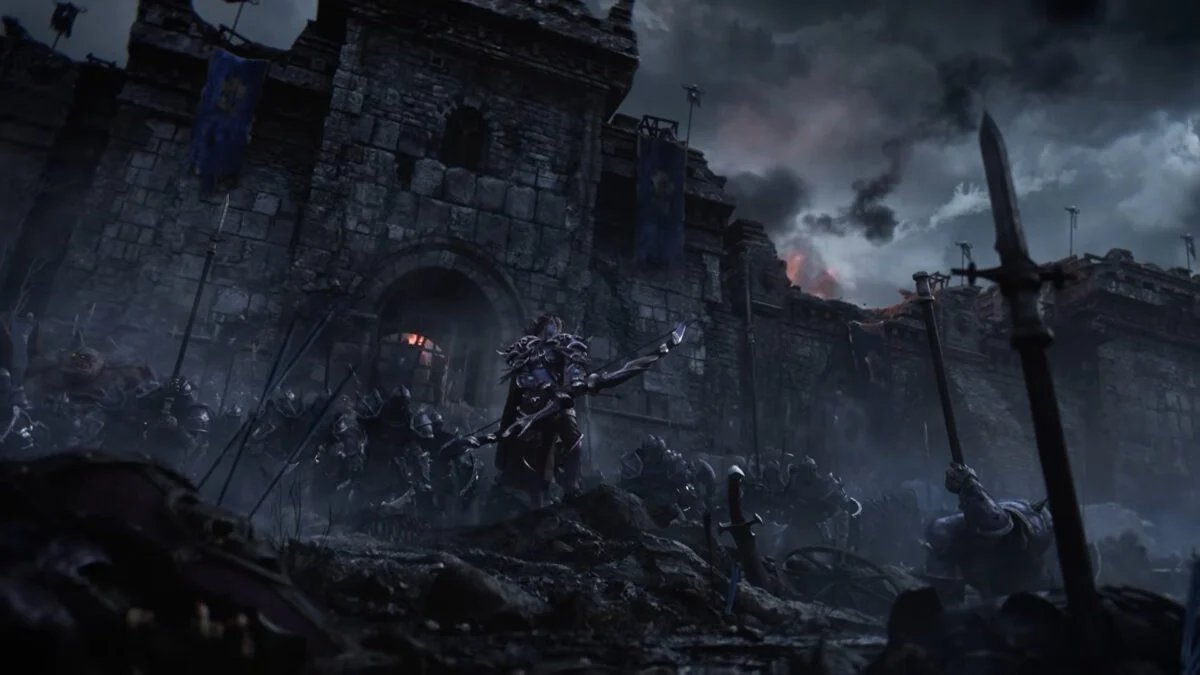
The Hidden Challenge Within Warcraft 3: Reforged
The landscape of modern gaming often prioritizes transparency, with developers frequently detailing patch notes, roadmaps, and content expansions long before they reach the player. However, the recent launch of the Forsaken Kingdom campaign for Warcraft 3: Reforged has bucked this trend by incorporating deliberate, unannounced content. Brad Chan, a senior manager on the Warcraft team, has confirmed that two secret bonus levels have been embedded within the latest campaign architecture. These hidden missions remain untouched by the community, creating a digital scavenger hunt that has persisted since the update went live during the recent Blizzcon opening ceremonies.
Despite the highly analytical nature of the Warcraft player base, which typically datamines or dissects new patches within hours of their release, these specific additions have successfully evaded discovery. Chan’s public invitation serves as a direct challenge to the community’s efficiency, highlighting a design philosophy that favors discovery over accessibility. While the development team remains tight-lipped regarding the specific mechanics or thematic content of these levels, their existence represents a commitment to the classic tradition of “easter eggs” that once defined the early era of PC strategy gaming.
Technical Complexity and Deployment
The integration of secret levels within a legacy-style title like Warcraft 3: Reforged involves more than just inserting a new map file into the directory. It requires careful balancing of the game’s existing engine constraints, triggers, and dependency chains. From a technical perspective, adding such content without triggering alarms in the game’s code requires meticulous management of the campaign’s data assets. These levels are effectively ghost assets, hidden behind specific logic gates that players must trigger during normal gameplay.
Whether these levels utilize the existing unit assets or require bespoke scripts remains unknown. However, the fact that they have not been uncovered via file examination suggests that the developers may have obfuscated the access keys or stored the relevant data in a way that is not immediately apparent to typical data scraping tools. This layering of mystery adds a layer of depth to the player’s interaction with the game, forcing users to engage with the environment with a level of scrutiny that goes beyond the standard requirements for campaign completion. The technical challenge for the player is twofold: they must first identify the correct sequence of events to trigger the hidden path, and then they must navigate the potentially non-standard design of the levels themselves.
Mechanics of Discovery and Player Interaction
For veteran players, the search for these levels involves re-examining the Forsaken Kingdom campaign through the lens of unorthodox play. In classic Warcraft titles, secret levels were frequently unlocked by interacting with neutral environment objects, destroying specific units in a non-obvious sequence, or completing mission objectives within strict time limits. Given the design legacy of the franchise, it is probable that these levels require a specific combination of player actions rather than a simple exploration of the map’s corners.
The impact of this design choice is significant. By withholding information, the developers have successfully extended the life of the new content. Instead of a single, linear walkthrough, the community is currently engaged in collaborative problem-solving. This shifts the focus from purely mechanical execution to lateral thinking and investigation. The challenge issued by Chan serves as a catalyst for community discussion, drawing players back into the campaign to test theories, share findings, and piece together the requirements for entry. It reinforces the role of the developer not just as a content creator, but as a facilitator of mystery.
Speculation on Content and Narrative Value
What awaits the first player to successfully unlock these levels is the subject of considerable debate. Within the Warcraft universe, there is a storied tradition of experimental side-content, such as the infamous cow level in the Diablo series or the various hidden maps in earlier Warcraft expansions. These additions often serve one of three purposes: they provide a humorous diversion, they offer a unique technical test of the game’s engine, or they bridge gaps in the narrative with supplementary lore.
If these levels lean toward the lore-heavy side, they could provide critical context for the Forsaken Kingdom, potentially offering insights into character motivations that were previously obscured or relegated to supplementary materials. If they are purely experimental or whimsical, they serve as a reward for the most dedicated fans who are willing to push the boundaries of the game’s mechanics. Regardless of their content, their inclusion serves as a testament to the team’s willingness to experiment with the format of Reforged, balancing the preservation of the original experience with the addition of modern secrets that reward deep engagement.
The Broader Impact on Strategy Game Design
The existence of these hidden missions highlights an interesting shift in how legacy strategy games are maintained and updated. By injecting new, undiscovered material into a known quantity, the developers are fostering a sense of curiosity that is often lost in more predictable, live-service models. The impact here is an increase in community participation and prolonged engagement with the campaign’s assets. It validates the “play-to-discover” model that is increasingly rare in an era of walkthrough-ready gaming.
As the community continues to hunt for these levels, the result will likely be a surge in collective intelligence as players map every pixel and interaction. Whether the levels contain world-building revelations or simply unique mechanical challenges, they have already succeeded in their primary function: reigniting interest and creating a shared goal for the player base. The gauntlet thrown by Chan has moved the focus from the game’s finished state to the process of exploration itself, reminding players that sometimes, the most rewarding part of a game is what the developers have kept behind the curtain.
Disclaimer: This content is auto-generated for informational purposes only.
Source: Read Original News