








Sony Halts Unauthorized Multiplayer Modification for The Last of Us Part II
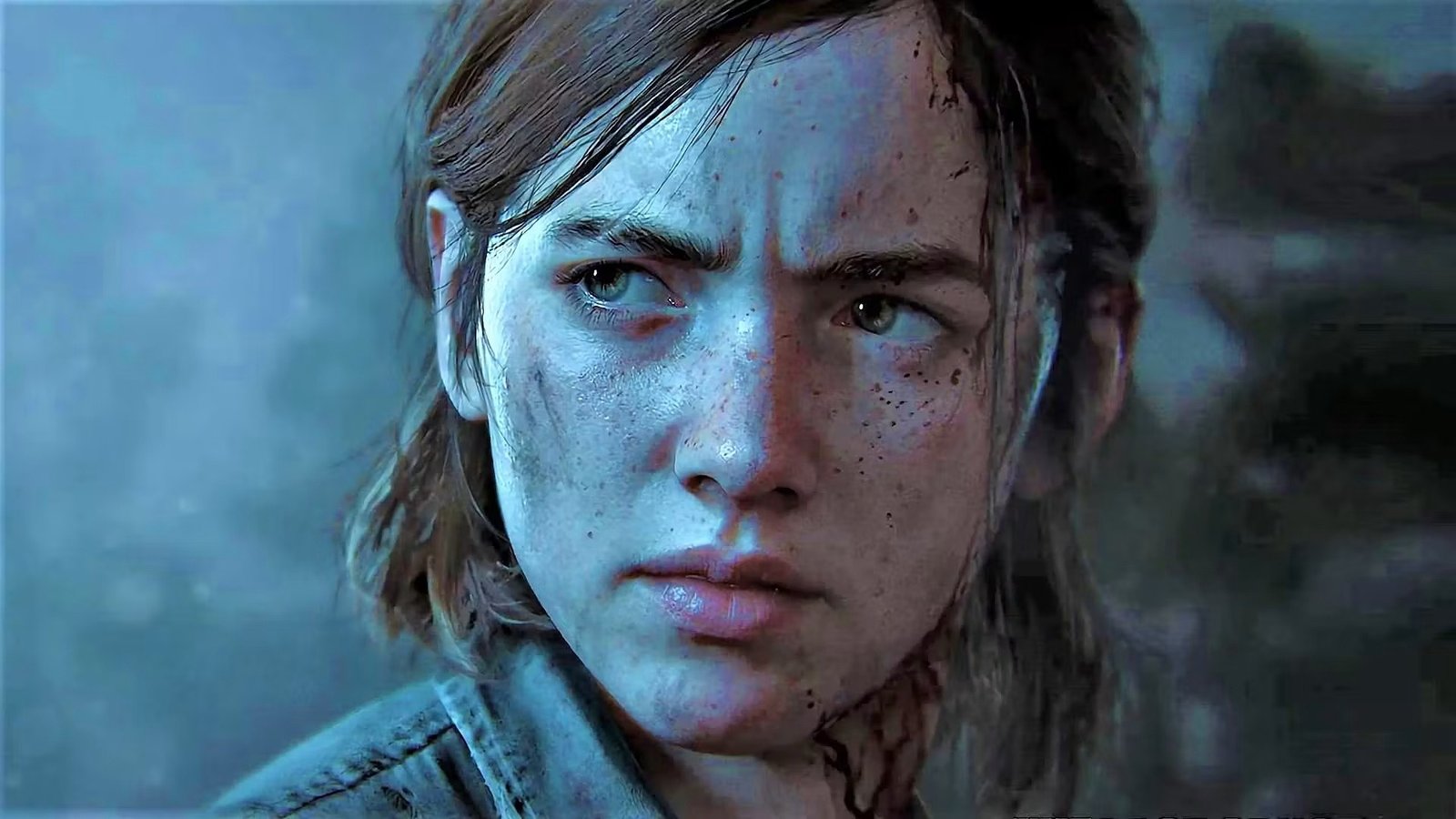
The intersection of fan-driven game modification and corporate intellectual property rights reached a significant turning point this week. Sony Interactive Entertainment has formally intervened in the development of a fan-made multiplayer mod for The Last of Us Part II. The project, led by prominent PC modder Speclizer, aimed to introduce a functional competitive multiplayer experience to a title that, in its official release, focused exclusively on a single-player narrative. After nine months of consistent development, the creator confirmed that Sony issued a request to cease the project and prevent its public release, effectively terminating the mod’s lifecycle before it reached the broader gaming community.
The decision highlights a growing tension between the creative enthusiasm of the PC modding scene and the rigid protection of proprietary software. While modding has long been a staple of the PC gaming ecosystem, allowing players to extend the lifespan of their favorite titles through community-generated content, the integration of multiplayer components often complicates the legal and operational boundaries established by original developers.
Technical Architecture and Intent of the Mod
To understand why this specific mod drew attention, it is necessary to examine the technical scope of the project. Speclizer’s mod was not an expansive, live-service style endeavor, but rather a more contained, performance-focused framework that mimicked the classic Factions multiplayer mode seen in the original 2013 title. The architecture was designed to repurpose assets—such as character models, environmental maps, and core locomotion systems—already existing within the single-player campaign files of the PC version of the game.
By injecting networking code and custom server-side logic into the client, the mod enabled multiple instances of game characters to interact within familiar campaign environments. The implementation sought to recreate a fundamental player-versus-player dynamic that users had long requested. For many in the community, the appeal lay in the familiar tactical combat and stealth mechanics of The Last of Us, applied to a competitive structure. Unlike large-scale total conversion mods, this project was architected as a lightweight layer over the existing game, making it highly accessible for PC players who possessed the base files.
The Role of Monetization in Corporate Intervention
A critical factor in Sony’s decision to intervene involves the financial structure surrounding the development of the mod. The project was partially supported through Patreon, a platform that allows creators to receive ongoing financial contributions from backers. While crowdfunding is common in the modding community for maintenance costs and tool development, it introduces a commercial element to what is otherwise considered fan-created derivative content.
From the perspective of a major publisher like Sony, the monetization of a product that utilizes their proprietary assets shifts the situation from a benign creative exercise to a commercial infringement. By leveraging a paid platform to fund the development of a direct replacement for features the original developer—Naughty Dog—had officially canceled, the modder inadvertently moved the project into a higher risk category. Legal departments at major hardware and software corporations generally view the unauthorized commercialization of their intellectual property as a direct threat to brand integrity and authorized product distribution. Consequently, the presence of Patreon support likely accelerated the company’s internal review and subsequent request for the project to be scrapped.
The Legacy of Cancelled Multiplayer Ambitions
The desire for this mod was driven largely by the void left when Naughty Dog officially cancelled the standalone multiplayer project originally intended to accompany The Last of Us Part II. That planned online component was intended to be an ambitious, standalone release featuring extensive maps, narrative elements, and deep social systems. Its eventual cancellation caused significant disappointment among the player base, creating a market vacuum that amateur developers sought to fill.
The mod created by Speclizer acted as a simplified proxy for those aspirations. While it lacked the advanced matchmaking, persistent progression, and dedicated server stability of an official enterprise-level game, it provided the essential functionality that players felt was missing. The technical ingenuity required to reverse-engineer components of a closed-source engine and transform them into a networked experience demonstrates the high level of skill inherent in modern PC modding. However, the incident serves as a reminder that even when a developer abandons a specific feature, the underlying code remains protected, and community attempts to recreate that functionality remain at the discretion of the copyright holder.
Impact on the PC Modding Community
The broader implications for the modding community are substantial. This intervention sends a clear signal that projects attempting to reintroduce substantial, high-value missing features into current-generation titles will face rigorous scrutiny. Modders often navigate a grey area where technical capability outpaces legal precedent. When a project reaches a high level of visibility—gained through social media marketing and established funding streams—it becomes significantly more difficult to maintain the anonymity that usually protects smaller, local-only mods.
As Speclizer transitions to a new, original project, the narrative serves as a cautionary tale regarding the limitations of modifying high-profile, proprietary software. The community remains appreciative of the technical effort involved, but the incident reinforces the reality that in the modern gaming landscape, intellectual property control is absolute. Future modders will likely need to weigh the risk of visibility against their desire to restore or expand upon official game content, especially where multiplayer systems are concerned. The closure of this project marks the end of an era for this specific iteration of The Last of Us, cementing the status of the official single-player campaign as the sole, sanctioned way to experience the title.
Disclaimer: This content is auto-generated for informational purposes only.
Source: Read Original News