








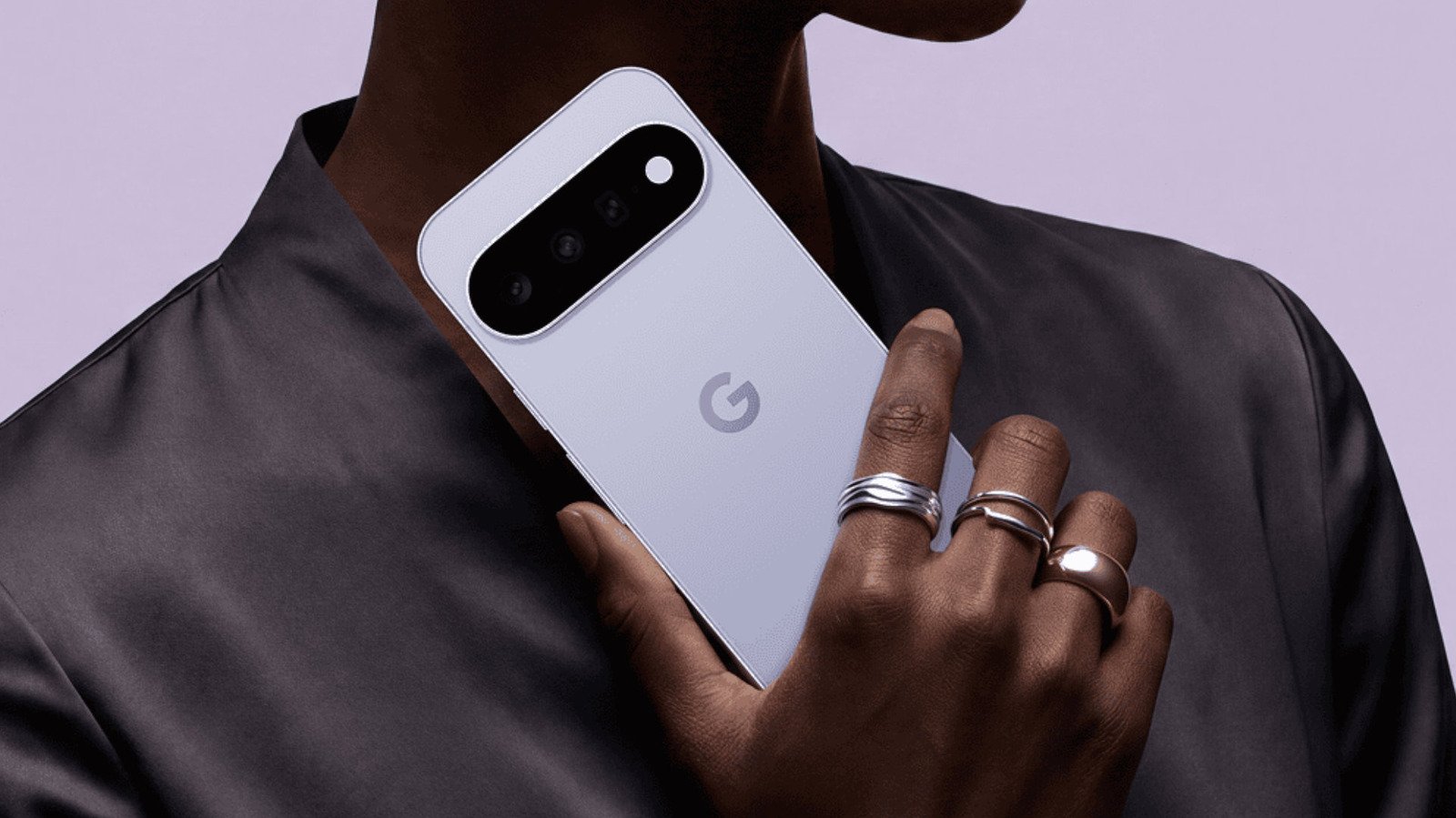
The release of the Google Pixel 11 marks the start of the annual smartphone cycle, positioning itself as a premium device with the new Tensor G6 processor and a 6.3-inch Actua display. Priced at $899, it targets users looking for the latest in Google’s hardware and Gemini AI integration, further supported by a seven-year commitment to operating system and security updates. However, for many consumers, the high entry cost of flagship devices prompts a search for more practical, budget-conscious alternatives that offer high value without the premium price tag.
Google Pixel 10a: The Software-Focused Alternative
For users dedicated to the Google software ecosystem who find the Pixel 11 price prohibitive, the Pixel 10a serves as a logical alternative. Priced at $499 for the 128GB model, it undercuts the flagship by a significant margin. Despite utilizing the older Tensor G4 chip, the device maintains a high level of relevance due to Google’s seven-year update policy. The camera system is particularly competitive for its price point, featuring a 48-megapixel main sensor and a 13-megapixel ultrawide lens, matching specific hardware specifications found in the higher-end Pixel series.
Nothing Phone 4a Pro: Performance and Design
The Nothing Phone 4a Pro represents a shift toward hardware value, retailing at $499. It appeals to users seeking a larger form factor, boasting a 6.83-inch display compared to the 6.3-inch screen on the Pixel 11. Performance is driven by 8GB of RAM, and the device utilizes a 50-megapixel main sensor with integrated image stabilization alongside a 50-megapixel telephoto lens. While the lack of wireless charging is a departure from the Pixel 11’s feature set, the inclusion of fast-charging capabilities and a substantial price difference makes it a strong contender for those prioritizing display size and camera hardware over proprietary flagship conveniences.
TCL NXTPAPER 70 Pro: Display Innovation
TCL has leveraged its expertise in display technology to carve out a niche in the mobile sector with the NXTPAPER 70 Pro. Priced at approximately $330, this device offers a 6.9-inch screen designed specifically to reduce eye strain through proprietary NXTPAPER display modes. Internally, it is powered by the MediaTek Dimensity 7300 processor and provides flexible storage configurations ranging up to 512GB. While it lacks the brand recognition of a major smartphone giant, the device provides a distinct functional benefit for users who spend long hours reading or consuming media, effectively positioning itself as a specialized, high-value alternative.
Motorola Moto G 2026: The Essentialist Approach
Motorola’s strategy with the Moto G 2026 centers on handling everyday tasks with efficiency at an accessible $300 price point. By utilizing the MediaTek Dimensity 6300, the phone avoids the costs associated with top-tier flagship processors, focusing instead on utility. The device includes a 6.7-inch display with a 120Hz refresh rate, catering to users who want a smooth interface without needing high-end computational power. Furthermore, the inclusion of a 50-megapixel main sensor and 32-megapixel front-facing camera, paired with Dolby Atmos and Hi-Res Audio, ensures that the device remains capable of performing well in multimedia scenarios despite its budget-tier status.
Samsung Galaxy A17 5G: Reliable Market Presence
The Samsung Galaxy A17 5G represents the entry-level segment for one of the world’s largest hardware manufacturers. At a $250 price point, it provides an alternative for those seeking the brand reliability of Samsung without the cost of the Galaxy S series. The device is supported by six years of software updates, providing longevity that approaches the standards set by more expensive flagships. While it omits premium features like Galaxy AI, it offers a large 6.7-inch 90Hz display and consistent performance for standard communication and browsing needs, making it a reliable, no-frills entry point for the Android ecosystem.
Methodology and Market Context
The selection of these devices was driven by a need to identify smartphones that provide genuine competition to the Google Pixel 11 while aggressively undercutting its $899 price. The evaluation process focused on balancing low cost with hardware utility. While budget devices inherently sacrifice certain features compared to premium flagships, the primary objective was to isolate hardware components—such as display size, refresh rate, or camera resolution—that offer an experience comparable to or better than the Pixel 11 in specific use-cases. By analyzing the current Android landscape, these selections prioritize hardware endurance, display quality, and software longevity to ensure that buyers obtain long-term value, even when choosing models priced significantly lower than current flagship offerings.
Disclaimer: This content is auto-generated for informational purposes only.
Source: Read Original News