






The Berkshires are seeing a wave of leadership transitions and institutional milestones this month, signaling a period of robust growth across the regional nonprofit and business sectors. From newly appointed executives steering mission-driven organizations to design firms integrating cutting-edge tech into their workflows, the local landscape is evolving with a focus on modernization and community impact.
Leadership Shifts Drive Social and Environmental Change
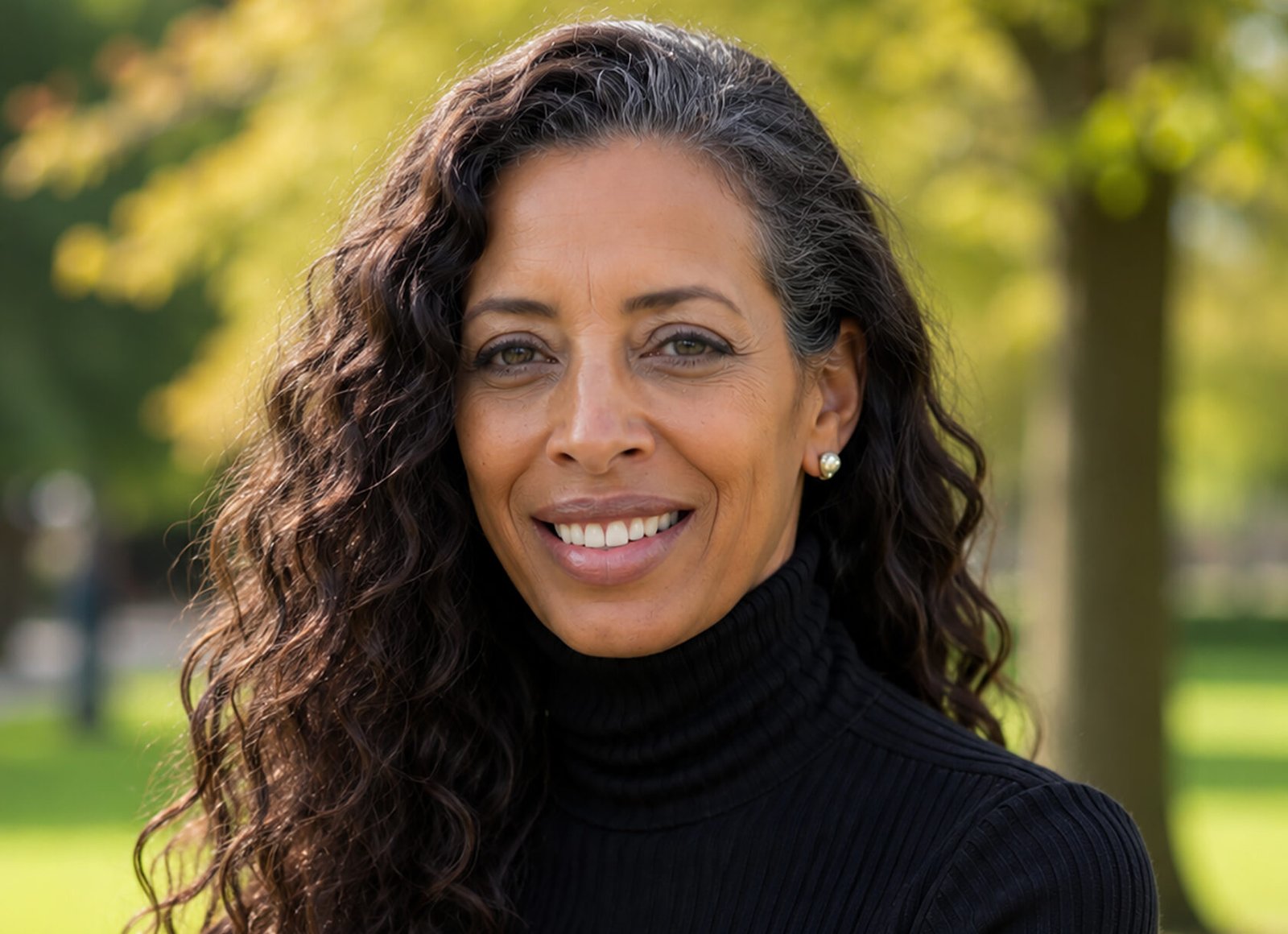
The Berkshire Immigrant Center (BIC) has named Dr. Evelyn Thompson as its new Executive Director. A Taconic High School graduate, Dr. Thompson returns to the region with a doctorate in public policy and an extensive background in trauma-informed leadership. Her appointment follows a highly productive tenure by former director Melissa Canavan, who spent the last three years stabilizing the center’s operations and expanding its legal advocacy network. Dr. Thompson’s arrival is expected to bolster the organization’s commitment to community integration and equity.
In the environmental sector, the New Marlborough Land Trust is entering a new era as long-time leader Martha Bryan retires. Stepping into the role is Matthew Sheffer, an expert in climate-smart agriculture and former head of Hudson Carbon. Sheffer’s background in regenerative farming and ecological research positions the Land Trust to accelerate its land preservation efforts, building upon successful projects like the recent protection of the 242-acre Blue Hill Farm.
Tech Integration and Design Evolution
Innovation in the physical landscape is being mirrored by a shift toward high-tech architectural practices. Pamela Sandler Architect recently announced a major expansion of its team, hiring architectural designers Barbara Olsen Pascale and Max Kapiloff, alongside Andrew Rota as Director of Interiors and Operations. The firm is notably leveraging digital modeling and human-centered design strategies—trends that mirror the broader tech industry’s focus on data-driven, personalized user experiences. By incorporating sophisticated design software and technical precision, the firm is aiming to create high-performance residential spaces that are as structurally sound as they are aesthetically refined.
Similarly, Jack Miller Contractors (JMC) in Williamstown is garnering national acclaim for its application of high-performance building standards. The firm recently secured two 2026 Chrysalis Awards, recognizing the creative integration of modern mechanical systems into historic structures. JMC’s success highlights a growing regional trend: using technology to bridge the gap between traditional architectural heritage and modern environmental sustainability.
Institutional Resilience and Digital Reach
As organizations across the Berkshires update their operational models, digital platforms have become vital for community engagement. The Williams College Museum of Art (WCMA), which is celebrating its centennial, is utilizing social media to bridge the gap between its long history and a digital-first generation. By launching a 100-post social media campaign, the museum is crowdsourcing historical questions and fostering virtual interactions to mark its 100th anniversary.
These organizational updates also reflect broader systemic efforts to support regional stability. The Southern Berkshire Regional School District has reaffirmed its commitment to student welfare by continuing its Universal Free School Meals program. By removing the administrative burden of household applications and leveraging the Community Eligibility Provision, the district is ensuring that technological and policy advancements are effectively deployed to meet the daily needs of local families.
Whether through the adoption of new architectural digital modeling tools or the use of social platforms for historical storytelling, Berkshire institutions are clearly prioritizing innovation to ensure they remain relevant in an increasingly digital and interconnected world. As these leaders and firms settle into their new roles, the common thread is clear: a commitment to building a future that balances deep-rooted local values with the efficiency of modern, tech-enabled practices.
Disclaimer: This content is auto-generated for informational purposes only.
Source: Read Original News