









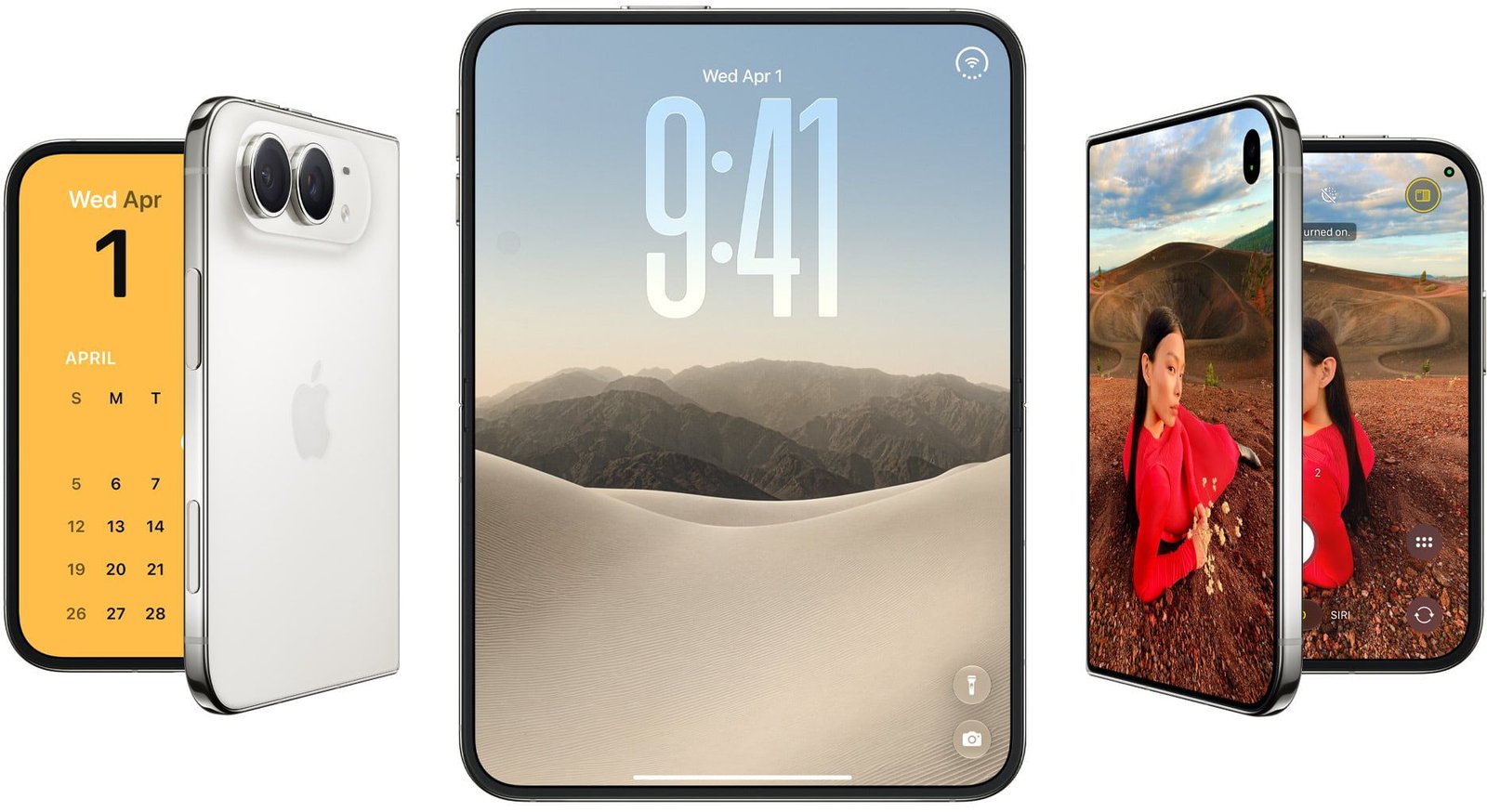
The Strategic Rationale Behind the iPhone Duo Branding
Apple’s introduction of the iPhone Duo marks a significant departure from its traditional slate-style handset design, signaling a pivot toward foldable technology as a core component of its future roadmap. While industry analysts and internal teams previously speculated that the device would carry the “Ultra” designation, Apple opted for the name “Duo.” This nomenclature is not merely a stylistic choice; it represents a long-term architectural strategy. By utilizing a concise three-letter suffix, the company aligns the new product line with established brands like Air and Pro, both of which have demonstrated success in identifying product categories without imposing restrictive definitions.
Choosing “Duo” instead of “Ultra” creates a logical foundation for a series of products. The “Ultra” label often implies a singular, high-performance pinnacle, which limits the potential for tiered scaling. Conversely, “Duo” implies a duality of form factor—the folding mechanism itself—which allows for a wider array of hardware specifications. This strategic flexibility enables Apple to diversify its foldable offerings based on different user needs, such as battery life, display size, or price sensitivity, without diluting the brand identity.
Expanding the Portfolio with the iPhone Duo Max
Industry insiders suggest that the company is already planning an expansion of the foldable category. Following the initial release of the standard iPhone Duo, reports indicate that an “iPhone Duo Max” is in development. This anticipated model would likely address the segment of the market that prioritizes screen real estate for productivity, gaming, and multimedia consumption. A Max variant would logically feature a larger internal display, requiring advancements in hinge durability and thermal management to accommodate the increased power demands of a high-resolution, expansive panel.
Beyond the Max, the branding structure allows for the introduction of models like the “Duo SE” or “Duo Mini.” A potential clamshell design, smaller and more compact than the current iteration, could appeal to users seeking portability. By establishing a clear naming convention early, Apple ensures that consumers understand the relationship between these different form factors, making it easier for the brand to transition the foldable experience from a niche premium item to a standard component of the broader ecosystem.
Engineering the Future of Display Fluidity
The hardware technology underpinning the iPhone Duo focuses on maintaining a seamless transition between states. Unlike earlier foldable devices that struggled with noticeable creases or disjointed software rendering, the iPhone Duo employs a continuous frame structure designed to maintain a consistent aspect ratio across both halves of the screen. When the device is fully unfolded, it functions as a single, expansive surface. Achieving this level of visual continuity requires high-precision hinge mechanisms and specialized display panel bonding, which Apple claims allows the device to remain the thinnest iPhone ever produced despite its complex internals.
Software optimization plays an equal role in this experience. For a foldable device to be considered the new standard, the interface must adapt instantly to the physical orientation of the phone. Apple has implemented sophisticated display scaling that triggers when the device transitions from a closed to an open state, ensuring that applications do not suffer from distortion or content cutoff. This hardware-software synergy is intended to remove the friction points that previously discouraged mainstream adoption of folding handsets.
Market Impact and the Normalization of Foldables
The industry expectation is that the iPhone Duo will catalyze a shift in consumer behavior, moving foldable handsets from experimental devices to the new baseline for high-end smartphones. The reliance on high-quality materials and rigorous testing for durability addresses the most common criticisms leveled at previous foldable competitors. If the device achieves the predicted market penetration, it will likely force competitors to shift their research and development focus away from experimental designs and toward the refinement of existing form factors.
This development is timely, as smartphone innovation has plateaued in recent years, with improvements often limited to incremental camera or processor upgrades. The transition to a folding form factor provides a tangible change in user experience. As the technology matures, the “Duo” brand is positioned to become the flagship category, potentially replacing the traditional “Pro” series for power users who require multitasking capabilities that only a larger, flexible display can provide.
Long-term Prospects for the Foldable Ecosystem
The introduction of the iPhone Duo represents a broader commitment to long-term hardware evolution. By iterating on the core concept through future iterations like the Duo Max, Apple is creating a trajectory for its mobile devices that mirrors the evolution of its laptop and tablet lines. As costs for flexible display production inevitably decrease through economies of scale, the company will likely look to lower the entry point for its foldable technology, potentially making the “Duo” series accessible to a much broader demographic.
Ultimately, the success of the iPhone Duo will be measured by its longevity and the reliability of its hinge and display systems. By focusing on a “Duo” identity that centers on the versatility of a foldable design, Apple has signaled that it views this transition as a fundamental shift in how portable computing will function over the next decade. The company’s ability to standardize the hardware experience while offering variety through product suffixes like Max or SE will be the primary driver in ensuring that foldable phones become the expected standard rather than a luxury outlier.
Disclaimer: This content is auto-generated for informational purposes only.
Source: Read Original News