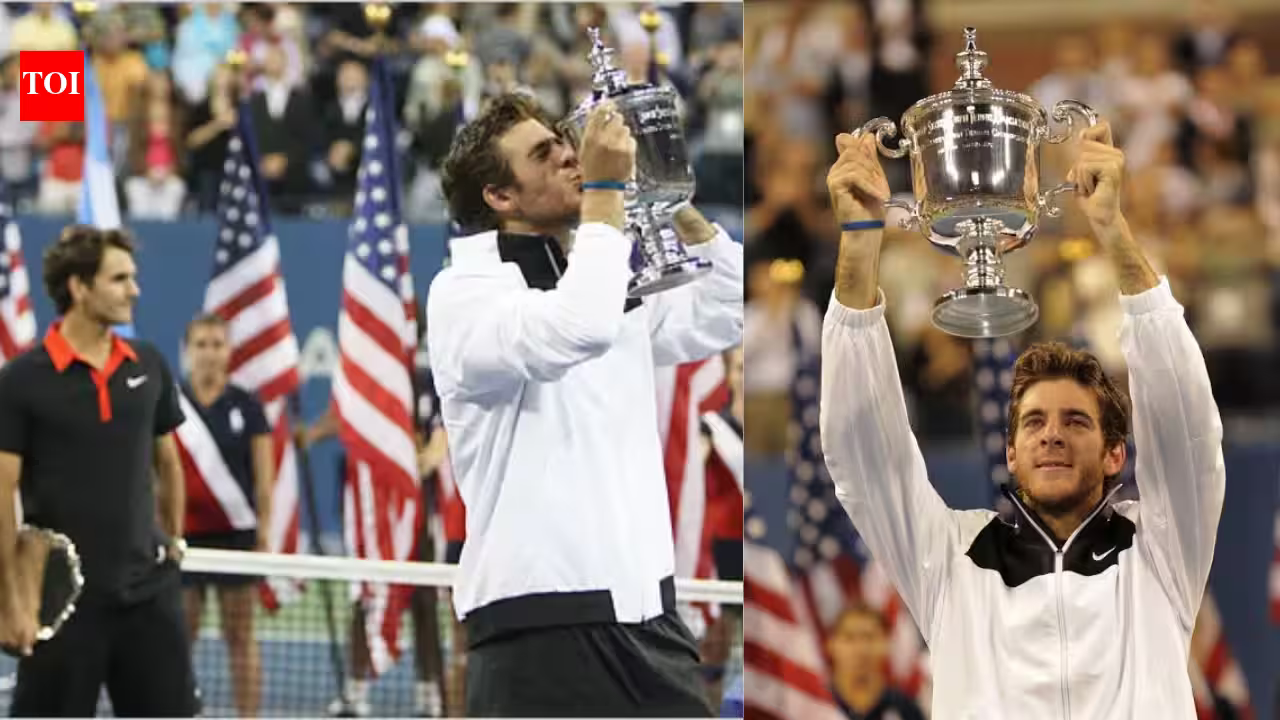









An era that defined modern tennis has officially reached its sunset. In a seismic shift that marks the end of a two-decade-long hegemony, the latest ATP world rankings have confirmed a statistical anomaly not seen since the dawn of the millennium: for the first time since October 2002, none of the “Big Three”—Roger Federer, Rafael Nadal, or Novak Djokovic—occupy a spot in the top 10.
When the world last witnessed a top-10 list devoid of these legends, the geopolitical and cultural landscape was vastly different. George W. Bush was in the Oval Office, the euro was a fledgling currency newly introduced to European markets, and Ronaldo Nazário had just spearheaded Brazil’s charge to a FIFA World Cup title in Japan and South Korea. Nearly 24 years later, the sport has finally fully turned the page.
The Final Domino Falls
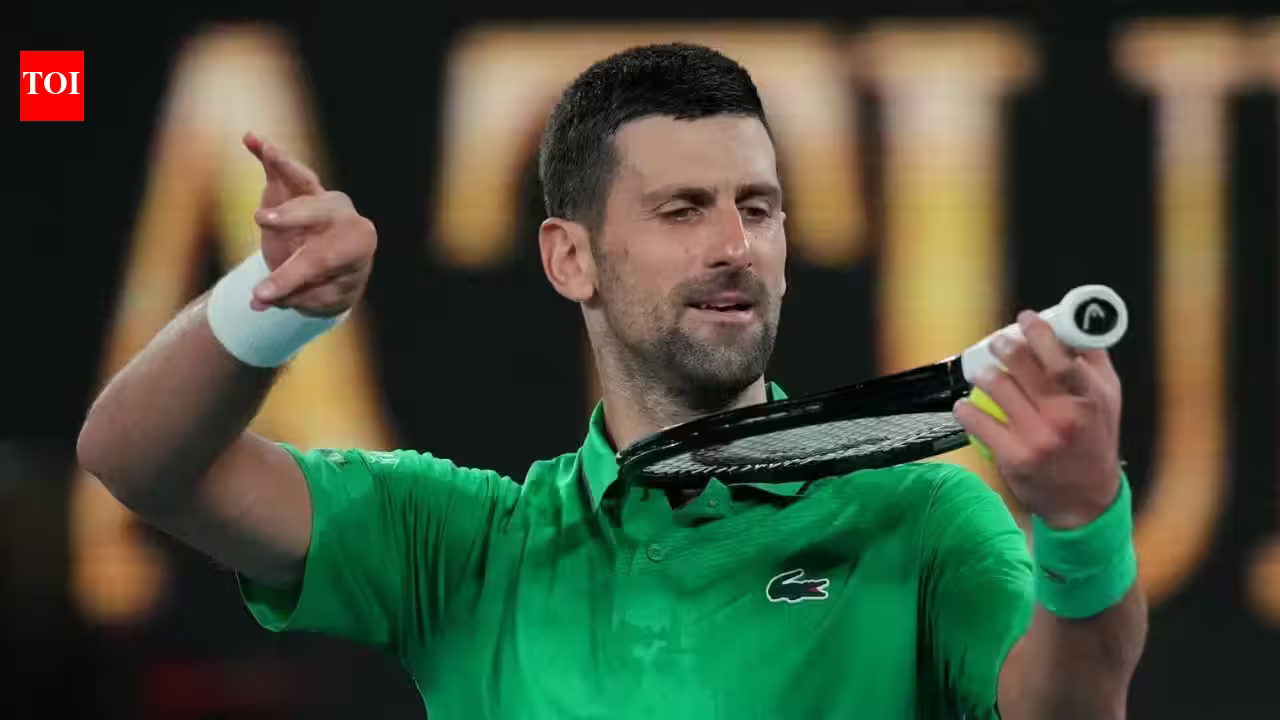
The catalyst for this historic milestone was the latest ATP ranking update, which saw Novak Djokovic slide from No. 5 to No. 12. His decline followed a shock first-round exit at the US Open at the hands of Mariano Navone—a defeat that marked his earliest Grand Slam departure since the 2006 Australian Open and his first-ever opening-round loss in New York.
At 39 years old, Djokovic remains the last active standard-bearer of a trio that reshaped the sport. Roger Federer, the man who ushered in the golden era, bowed out in 2022, followed by the retirement of the “King of Clay,” Rafael Nadal, in 2024. While Djokovic continues to hold the record for the most Grand Slam titles with 24—surpassing Nadal’s 22 and Federer’s 20—the rankings are an unforgiving measure of current form rather than historical prestige.
Reflecting on his standing in the game, Djokovic remained stoic in the wake of his New York exit. “I’ve been very proud of all the achievements in the past, but now is now,” he stated, acknowledging the reality of a changing guard.
A Legacy of Dominance
To understand the magnitude of this shift, one must look at the unprecedented consistency of the Big Three. Federer entered the top 10 in 2002 and anchored himself there for 14 years, accumulating a record 237 consecutive weeks at the world No. 1 spot. Rafael Nadal exploded onto the scene in 2005, embarking on a staggering run of 912 consecutive weeks inside the top 10—a record that may never be eclipsed. Djokovic, who joined the elite club in 2007, went on to spend a record 428 total weeks as the world’s top-ranked player.
The transition is underscored by the march of time. Lleyton Hewitt, the world No. 1 back in 2002, is now watching his 17-year-old son, Cruz, carve out his own professional path, signaling that the torch has firmly passed to a new generation.
The New Guard Takes the Stage
The void left by the legends is being filled by a formidable trio of young stars: Jannik Sinner, Alexander Zverev, and Carlos Alcaraz. The 2026 season, however, has been defined by high-stakes volatility and injury-plagued campaigns. While Sinner and Alcaraz dominated the discourse in 2025, meeting in three of the four Grand Slam finals, 2026 has been defined by attrition.
Alcaraz was forced to skip both the French Open and Wimbledon due to a right wrist injury, while Sinner’s title hunt was hampered by a right knee injury that forced his withdrawal from the US Open. Amidst the chaos, Alexander Zverev has emerged as the most consistent force on the tour. His 2026 campaign—crowned by victories at the French Open and the US Open, a runner-up finish at Wimbledon, and a semifinal run at the Australian Open—has established him as the current barometer of excellence.
Despite his clinical performance, Zverev remains humble regarding the hierarchy of the game. “If everyone is healthy, I think Jannik is still ahead,” Zverev noted after his triumph in New York. “It’s as simple as that.” Meanwhile, the rise of players like Ben Shelton, who climbed to world No. 4 after reaching his first Grand Slam final, highlights the depth and competitive parity of the post-Big Three landscape.
A Shift in the Women’s Game
The shifting tides are not limited to the men’s circuit. The WTA rankings have also seen a monumental change as Elena Rybakina ascended to the world No. 1 spot. Her stellar season, headlined by victories at both the Australian Open and the US Open, brought a decisive end to Aryna Sabalenka’s 99-week reign at the top of the standings.
As the dust settles, tennis finds itself in a fascinating position. While the departure of the Big Three from the top 10 feels like the closing of a long, glorious chapter, the rising stars of both the ATP and WTA tours are proving that the sport’s future is as volatile, unpredictable, and exciting as its past.
Disclaimer: This content is auto-generated for informational purposes only.
Source: Read Original News