








The recent uptick in India’s inflation metrics signals a challenging transition for the domestic economy. With retail inflation reaching 4.82% and wholesale inflation surging toward the 10% threshold, policymakers and business leaders are navigating a landscape defined by persistent supply-side constraints and volatile global energy costs. This environment necessitates a granular analysis of how food, fuel, and manufacturing sectors are interacting to reshape the current fiscal outlook.
The Mechanics of Food Inflation
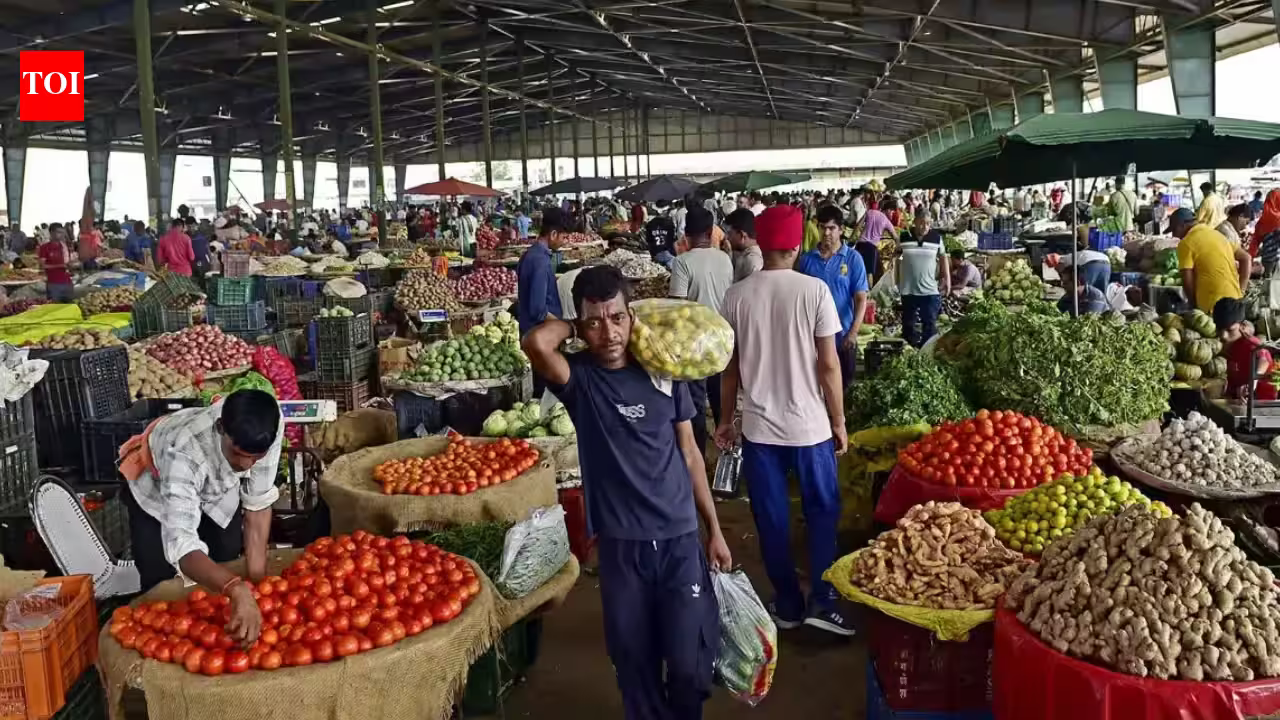
Food inflation serves as the most immediate concern for the average Indian household and a primary driver of the Consumer Price Index (CPI). With retail food inflation climbing to 5.95%, the pressure is disproportionately felt in rural areas, where inflation registered at 6.13% compared to 5.64% in urban centers. This disparity highlights a structural vulnerability in the agricultural supply chain and distribution network.
The Consumer Food Price Index (CFPI) data suggests that the surge is not merely seasonal but reflective of broader systemic bottlenecks. When staple items—ranging from produce to essential dietary components—experience sustained price increases, the real disposable income of the rural population is directly impacted. This, in turn, moderates consumer demand for non-essential goods, creating a ripple effect across the manufacturing and retail sectors. As the economy balances growth targets with price stability, the government and the Reserve Bank of India (RBI) must focus on improving supply-side efficiency and cold-chain infrastructure to prevent localized food shortages from translating into nationwide inflation spikes.
Fuel and Power: The Wholesale Inflation Catalyst
While retail inflation captures the consumer experience, the wholesale segment presents a more alarming narrative. Wholesale Price Index (WPI) inflation, currently hovering near 9.92%, is heavily dictated by the fuel and power basket, which saw a dramatic increase to 22.93% in August. This jump is a direct consequence of shifting international energy prices and the persistent instability in West Asia.
For Indian industry, this surge in energy costs acts as an input tax on growth. When fuel prices rise, the cost of logistics, transportation, and raw material processing escalates. This inflationary pressure is increasingly visible in the manufactured products sector, which reached a series high of 8.37% in August. Because fuel is a fundamental component of the production cycle, companies across the manufacturing spectrum are finding it difficult to absorb these costs, leading to either thinning profit margins or higher end-product prices for the consumer. The dependence on imported mineral oils and natural gas remains a strategic vulnerability, forcing domestic businesses to contend with global volatility that remains largely outside of local control.
Economic Projections and Geopolitical Realities
The consensus among leading economists points toward a period of sustained high inflation. The ongoing crisis in West Asia has effectively reversed the progress made in stabilizing fuel and power prices earlier in the year. Institutions like India Ratings and Research (Ind-Ra) project that WPI inflation may breach the 10% mark, remaining elevated as long as geopolitical tensions persist.
The business outlook for the remainder of the fiscal year is consequently cautious. With experts predicting wholesale inflation to remain between 9.5% and 10% through October, the short-term focus for corporate India is on cost management and supply chain resilience. The “wait-and-watch” approach, often cited by analysts, reflects the difficulty in planning capital expenditures when input costs are subject to sharp, unpredictable shifts. Furthermore, the interplay between a fluctuating rupee and rising global energy prices suggests that the inflationary pressure is unlikely to abate until global commodity markets find a new equilibrium.
The Policy Conundrum for the Reserve Bank of India
The RBI finds itself in a complex position. While retail inflation remains within the 2–6% tolerance band, the upward trajectory of prices is testing the limits of monetary policy. The central bank must navigate the dual challenge of curbing inflation while ensuring that the current economic growth momentum is not throttled by excessive interest rate hikes.
Opinions on the next move by the Monetary Policy Committee (MPC) remain divided. Some analysts suggest that if crude oil prices remain at elevated levels and inflation expectations begin to broaden, a rate hike could become inevitable in the December quarter. Conversely, others argue that because much of the current inflation is supply-driven—specifically from food and energy—raising interest rates may be an ineffective tool that risks dampening demand without addressing the root cause of the price hikes. As core inflation remains relatively stable, the RBI faces the difficult task of balancing the necessity of anchoring inflation expectations with the requirement to support an expanding economy.
Strategic Implications for Indian Businesses
The current macroeconomic environment demands a shift in operational strategies. Businesses that rely heavily on imports or energy-intensive processes must prioritize long-term hedging against energy price volatility. The diversification of energy sources and the adoption of more efficient manufacturing processes are no longer just sustainability goals but necessary measures for protecting bottom-line profitability in an inflationary cycle.
Furthermore, the sectoral variations in inflation suggest that firms operating in the “personal care” or “restaurants and accommodation” segments, which have seen significant price hikes, must adapt their pricing strategies to maintain demand. As inflationary pressures filter through to the consumer, companies must balance price adjustments with the risk of losing market share.
Looking forward, the resilience of the Indian economy will depend on the government’s ability to manage supply-side logistics and the RBI’s capacity to communicate a clear, stable monetary stance. The path to moderating inflation will likely be gradual, contingent upon the stabilization of global geopolitical events and the effective management of domestic commodity supplies. For business leaders, the takeaway is clear: the era of “low-inflation” stability has been replaced by a more volatile period, necessitating increased agility, robust cost-control frameworks, and a heightened sensitivity to global market signals. While growth prospects remain intact, the cost of doing business has undeniably increased, requiring a disciplined approach to investment and a focus on operational excellence to navigate the months ahead.
Disclaimer: This content is auto-generated for informational purposes only.
Source: Read Original News