








TOKYO — In a significant blow to the energy sector’s recovery efforts, the leadership of Chubu Electric Power Co. announced a mass resignation on Monday following revelations that the utility systematically manipulated earthquake safety data for two of its nuclear reactors. The scandal, which has stalled the company’s push to bring its facilities back online, serves as a stark reminder of the governance and technological integrity challenges facing Japan’s nuclear restart initiatives.
## A Failure of Corporate Governance and Oversight
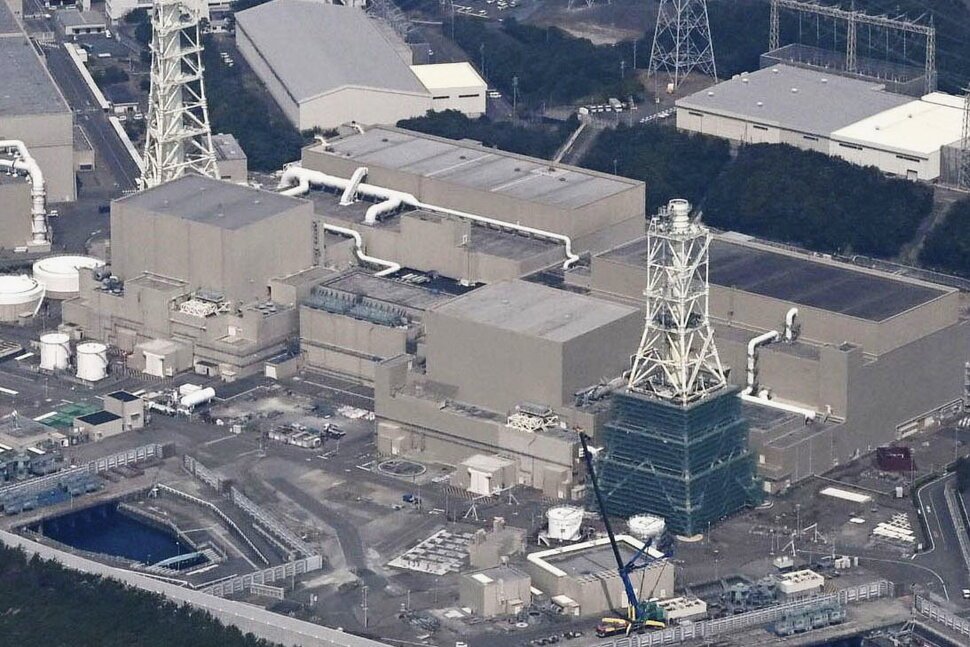
The fallout centers on the Hamaoka No. 3 and No. 4 reactors, located in a high-risk seismic zone. An independent investigative panel concluded that for years, Chubu Electric employees fabricated seismic data to satisfy strict government regulatory requirements. While President Kingo Hayashi and Chairperson Satoru Katsuno were not accused of direct involvement, the panel highlighted a toxic corporate environment where the extreme pressure to meet aggressive restart deadlines encouraged staff to bypass ethical and safety protocols.
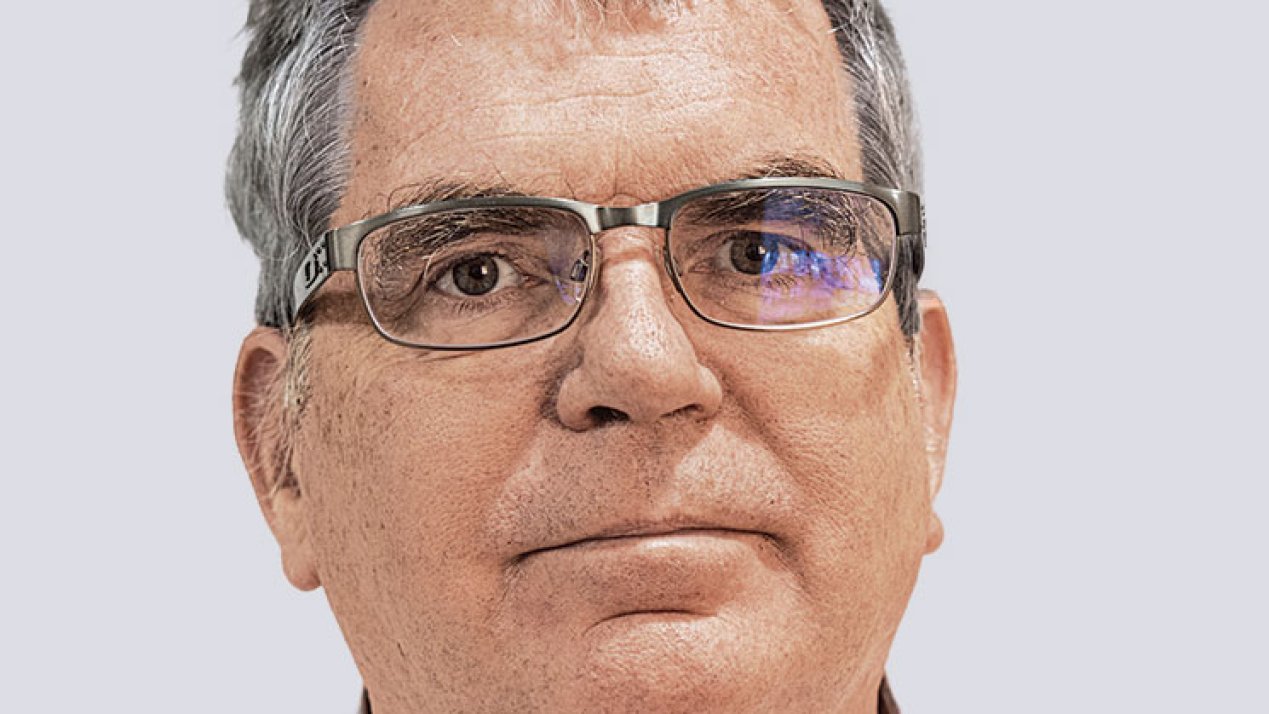
“We had serious problems with our corporate culture and governance,” Hayashi admitted during a press conference. He confirmed that both he and the chairperson would officially step down on September 30, with director Minoru Yasui slated to take the helm on October 1. The utility has officially withdrawn its current applications for restart, effectively hitting the reset button on their nuclear operations.
## The Digital and Technological Dimension of Safety
The manipulation of seismic data raises critical questions regarding the role of modern data monitoring and artificial intelligence in nuclear safety. As Japan’s Nuclear Regulation Authority (NRA) continues to implement digitized oversight to track potential seismic risks, the case at Chubu Electric highlights a “human-in-the-loop” failure. The industry is currently facing calls to integrate more transparent, AI-driven diagnostic tools that can independently verify physical sensor data against simulated models. By removing the ability for manual input or “smoothing” of safety figures, industry experts argue that utilities could prevent the sort of systemic deception that led to this crisis.
For the tech sector, this event underscores the growing demand for blockchain-verified, tamper-proof reporting systems. As Google and other major tech entities push further into the energy management space—often utilizing advanced data analytics to stabilize grids—the need for immutable data trails in infrastructure management has never been more urgent. Trust, as Hayashi noted, remains the most essential commodity in the transition to sustainable energy.
## Japan’s Energy Dilemma and Public Skepticism
This incident arrives at a precarious time for Prime Minister Sanae Takaichi’s administration, which is under immense pressure to lower energy costs and reach ambitious carbon reduction goals. Following the 2011 Fukushima Daiichi disaster, public support for nuclear power plummeted. While the necessity of stable, low-carbon electricity has slowly rebuilt some public acceptance, revelations of data tampering threaten to undo years of delicate political work.
The Hamaoka plant, situated 200 kilometers west of Tokyo, remains a point of particular anxiety due to its proximity to the Nankai Trough, a region expected to be the epicenter of a future megaquake. With only 11 of the nation’s 54 commercial reactors currently operational, the government’s plan to revitalize the sector is heavily reliant on public confidence in the safety screening process.
For now, the utility plans to undergo a total internal restructuring before eventually reapplying for the Hamaoka reactors. Whether the company can earn back the trust of the Japanese public—and the regulators—remains to be seen. As Japan moves forward, the incident reinforces a broader industry lesson: technological safeguards in nuclear energy are only as effective as the human systems governing them.
Disclaimer: This content is auto-generated for informational purposes only.
Source: Read Original News