








Strategic Expansion of the Battle.net Ecosystem
In a significant move that underscores the changing landscape of digital distribution, CD Projekt Red has announced a partnership with Blizzard Entertainment to bring its flagship titles to the Battle.net launcher. This expansion begins with The Witcher 3: Wild Hunt, followed by the upcoming release of Cyberpunk 2077 and its acclaimed expansion, Phantom Liberty. Announced during the 30 Years of Battle.net panel at BlizzCon 2026, the move signals a shift toward broader storefront accessibility for some of the industry’s most recognizable single-player experiences.
For Blizzard, this integration represents an effort to diversify the content available within the Battle.net ecosystem, which has historically been restricted to the company’s internal library of games. By introducing high-profile third-party titles like The Witcher 3 and Cyberpunk 2077, Blizzard is effectively positioning its launcher as a more versatile hub for PC gamers, rather than just a silo for its own internal franchises like World of Warcraft or Diablo.
Cross-Promotional Incentives and The Geralt Skin
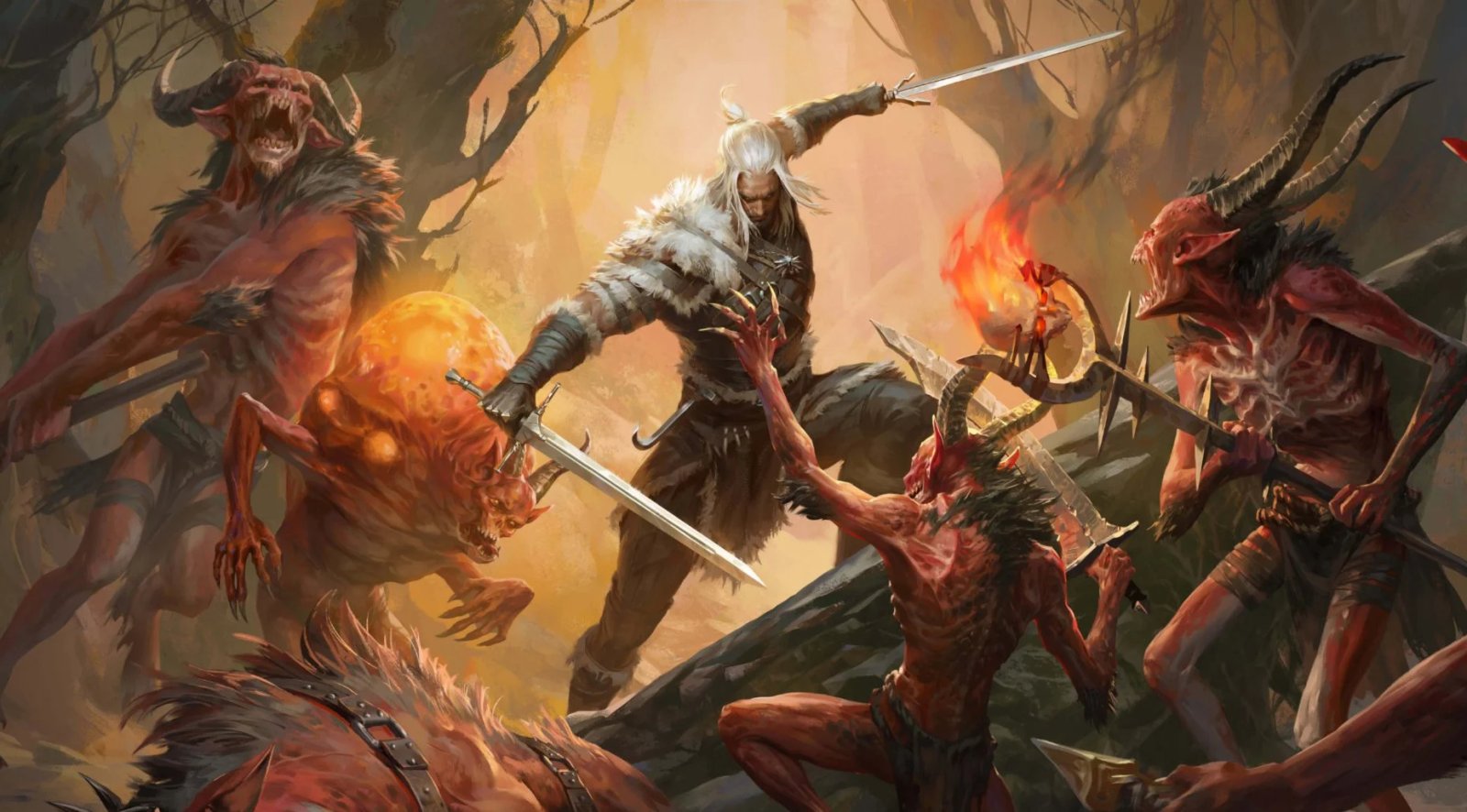
To incentivize the transition to the new platform, the partnership includes a cross-promotional reward for players of Diablo 4. Players who pre-order the upcoming The Witcher 3 expansion, titled Songs of the Past, exclusively through the Battle.net storefront will unlock a specialized cosmetic skin for the Diablo 4 Barbarian class. The skin is designed to resemble the iconic Geralt of Rivia, complete with aesthetic references to the Witcher’s classic Kaer Morhen armor.
The implementation of this reward serves as a technical bridge between two vastly different game engines and art styles. During the BlizzCon presentation, CD Projekt Red’s level design lead, Miles Tost, noted that the team focused on aligning the Geralt aesthetic with the existing Barbarian hitbox and move set. The design incorporates signature Witcher elements alongside the rugged, fur-heavy silhouette characteristic of the Diablo 4 Barbarian to ensure the character model functions correctly within the high-action environment of Sanctuary.
Technical and Platform-Specific Friction
While the integration of these titles into the Battle.net launcher offers technical convenience for players who prefer to keep their game libraries centralized, the specific requirements for the Geralt skin have drawn criticism from the community. Because the unlock is tied to a pre-order on the Battle.net platform, players who currently own The Witcher 3 on Steam, GOG, or consoles are effectively excluded from obtaining the cosmetic unless they repurchase the game on Blizzard’s service.
This requirement has sparked a debate regarding platform lock-in. Many users have noted that the necessity of a specific storefront purchase creates a barrier for those who have invested heavily in other distribution services. Furthermore, there is broader discourse regarding the value proposition of such incentives, especially as Diablo 4 enters a new phase of its lifecycle. Following reports that Blizzard will cease releasing annual expansions for the title to focus on seasonal content in anticipation of a future installment, some players have questioned the merit of investing in cosmetic content for a game whose long-term update roadmap is shifting.
Navigating Aesthetic and Design Expectations
The reaction to the visual representation of the Geralt skin has been mixed, highlighting the challenges of translating a character from a third-person narrative RPG to an isometric, high-intensity action game. Critics on social media have pointed out that the Barbarian’s heavily muscled frame alters the silhouette of the Witcher, leading to comments about the character’s departure from his original source material.
From a development standpoint, however, the challenge lies in technical compatibility. The Barbarian class in Diablo 4 relies on specific animations and collision boxes. If the developers were to deviate too far from the standard Barbarian build, the character would not function within the game’s combat loop. The design team has attempted to find a middle ground by blending signature visual motifs—such as the leather-and-metal plating associated with the School of the Wolf—with the aggressive aesthetic of Sanctuary’s Barbarians.
The Future of Cross-Publisher Collaborations
The partnership between CD Projekt Red and Blizzard represents an emerging trend where large publishers leverage cross-franchise aesthetics to boost engagement across disparate storefronts. While the technical integration of third-party games into a legacy launcher like Battle.net is a positive step toward user convenience, the controversy surrounding the promotion highlights a recurring tension in the digital distribution market: the divide between convenience and platform exclusivity.
As the industry continues to evolve, the success of such initiatives will likely depend on whether these rewards eventually migrate to a standalone purchase model. Should the Geralt skin remain permanently locked to a specific launcher and a specific pre-order window, it serves as a stark case study in how platform-exclusive incentives can impact player sentiment. For now, the integration of CD Projekt Red’s library into Battle.net remains a high-profile experiment in brand synergy, with its long-term impact on player acquisition and platform loyalty yet to be fully determined.
Disclaimer: This content is auto-generated for informational purposes only.
Source: Read Original News