







India Poised to Drive Global Growth, Says IMF Deputy MD Nigel Clarke
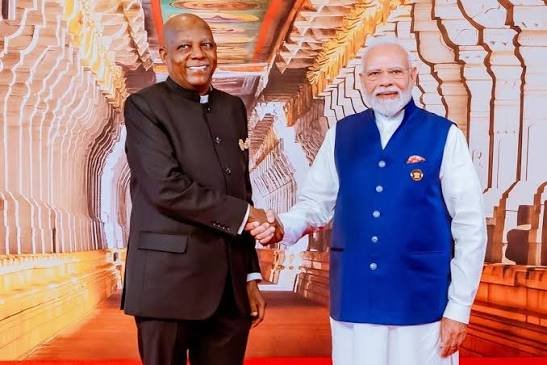
India’s status as the world’s fastest-growing major economy remains a cornerstone of international financial stability, according to Nigel Clarke, Deputy Managing Director of the International Monetary Fund (IMF). Wrapping up a high-level, five-day visit to the country, Clarke lauded India’s robust economic foundations and emphasized its pivotal role in shaping the global fiscal landscape.
High-Level Consultations on Economic Strategy
During his tour, which spanned New Delhi, Mumbai, and Chennai from September 7 to 11, Clarke held critical discussions with top Indian policymakers. His itinerary included meetings with Finance Minister Nirmala Sitharaman, Reserve Bank of India (RBI) Governor Sanjay Malhotra, and NITI Aayog Vice Chairman Ashok Kumar Lahiri.
The IMF official highlighted that these dialogues centered on navigating the current period of heightened global uncertainty. Clarke underscored that for India to maintain its growth trajectory, the preservation of macroeconomic stability remains paramount. He specifically pointed to the need for nimble policy responses, diligent inflation management, and structural reforms designed to boost long-term productivity and competitiveness.
“India continues to be a key driver of global growth, supported by strong fundamentals and sound policy frameworks,” Clarke noted in a concluding statement. He also took the opportunity to acknowledge New Delhi’s commitment to multilateralism and its ongoing efforts to support neighboring economies in the region.
Private Sector Dynamism and Innovation
Beyond the government sector, Clarke engaged extensively with India’s business leadership. Reflecting on these interactions, he expressed admiration for the country’s private sector vitality, citing a deep talent pool and rapid advancements in manufacturing and technological infrastructure.
According to the IMF, India’s strategic focus on digital transformation and innovation is creating a roadmap for sustainable, high-value economic activity. However, Clarke cautioned that maintaining this momentum requires a deliberate approach to human capital. He stressed that sustained investment in workforce skills, paired with the responsible adoption of new technologies, is essential to ensure that the fruits of economic progress are distributed inclusively across all segments of the population.
A Partner for Future Prosperity
As the global economy faces ongoing structural shifts, the IMF views India as a primary engine for the next wave of international prosperity. Clarke’s visit served to reinforce the strong ties between the Washington-based financial institution and the Indian government.
The message from the IMF is clear: while India has successfully navigated the challenges of the post-pandemic era, the path forward necessitates a vigilant focus on domestic reforms. By prioritizing productivity gains and maintaining institutional resilience, India is well-positioned to cement its role as a global economic powerhouse. As the IMF looks toward the future, the organization has reaffirmed its commitment to serving as a close partner in supporting India’s vision for a robust, inclusive, and technologically advanced economic future.
Disclaimer: This content is auto-generated for informational purposes only.
Source: Read Original News