









The Strategic Imperative of Critical Minerals in the Global Energy Transition
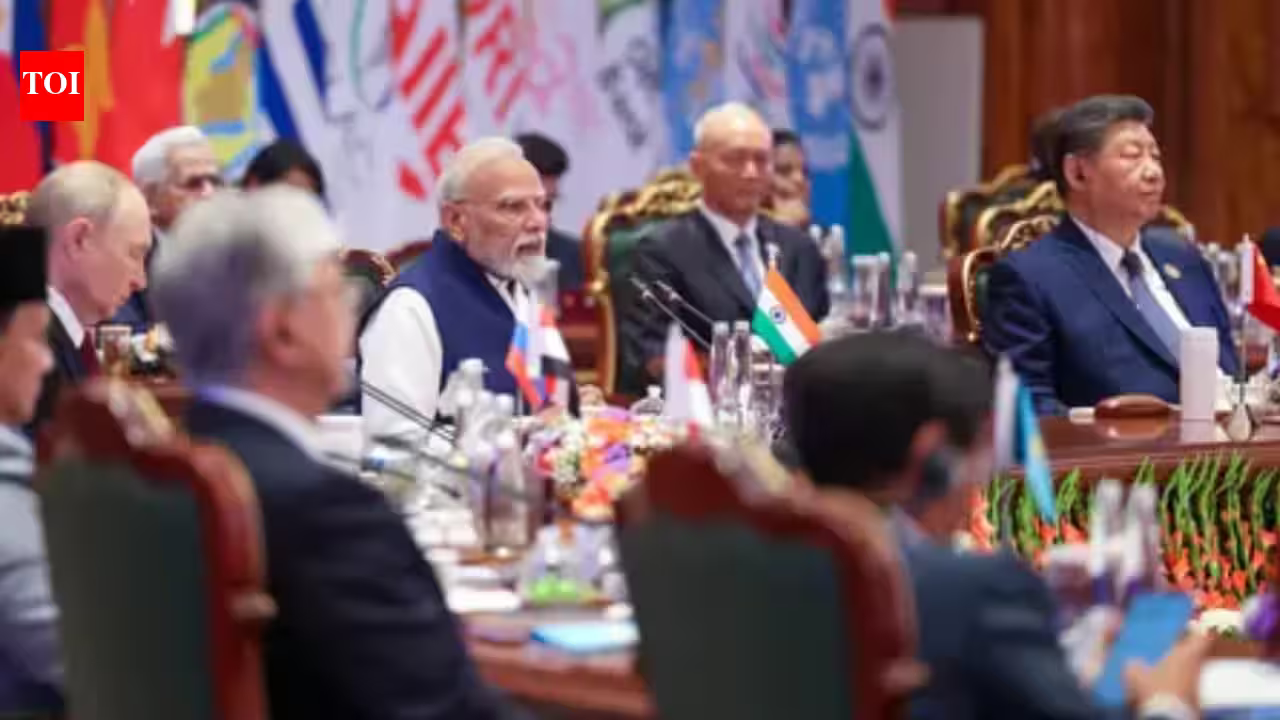
The global transition toward a low-carbon economy has fundamentally altered the geopolitics of resources. As nations pivot toward electric vehicles (EVs), renewable energy infrastructure, and advanced defense systems, the demand for critical minerals—specifically lithium, cobalt, nickel, copper, graphite, and rare earth elements—has skyrocketed. At the recent BRICS Summit, global leaders underscored the necessity of establishing reliable, diversified, and resilient supply chains for these materials. Prime Minister Narendra Modi’s pointed warning against the weaponization of these resources reflects a growing apprehension that supply chains could be manipulated for political coercion, thereby stalling the collective progress of developing nations.
For India, this shift represents both a significant vulnerability and a critical opportunity. The country’s commitment to the energy transition relies heavily on a stable inflow of processed minerals. With domestic reserves currently insufficient to meet the aggressive requirements of the industrial sector, India is adopting a multifaceted approach: aggressive international diplomacy, domestic exploration mandates, and a massive investment in recycling infrastructure. This dual-track strategy is designed to mitigate the risks associated with the concentration of mineral processing capabilities in a handful of nations, ensuring that India’s industrial trajectory remains independent and robust.
Strengthening India’s Diplomatic and Supply Chain Footprint
To bridge the gap between domestic production and industrial demand, the Indian government has prioritized international partnerships. Minister of Coal and Mines G. Kishan Reddy recently highlighted ongoing negotiations with resource-rich nations such as Argentina, Australia, and Chile. These discussions focus on acquiring lithium blocks and establishing secure channels for mineral imports. The intent is to secure upstream assets—the mines themselves—ensuring that India has a direct stake in the extraction process rather than relying solely on volatile spot markets.
The government’s international strategy is anchored by the Khanij Bidesh India Limited (KABIL), a state-run entity tasked with identifying, acquiring, and developing mineral assets abroad. By partnering with international agencies and participating in initiatives like the Quad Critical Minerals Initiative alongside the United States, Japan, and Australia, India is effectively diversifying its supply network. The strategic framework signed with the US in 2025 further demonstrates India’s intent to co-invest in supply chain security. These collaborations are designed to shield the Indian economy from market coercion, ensuring that the supply of essential materials like rare earths remains uninterrupted even during periods of geopolitical instability.
Scaling Domestic Exploration and Value Addition
Recognizing that overseas assets are only one component of the strategy, the Indian government has launched the National Critical Mineral Mission with a financial outlay of Rs 34,300 crore. This initiative marks a seismic shift in how India approaches its geological potential. The Geological Survey of India has scaled its operations significantly, launching 300 critical mineral exploration projects within a single year. This aggressive push is designed to move beyond traditional surveying and toward the actual identification of commercially viable mineral blocks that can be brought to market.
The government is also working to catalyze private sector participation. Officials have indicated that policies are being streamlined to encourage private mining firms to undertake mining and semi-processing tasks. By facilitating the semi-processing of raw materials near the source or within India, the government aims to capture a greater share of the value chain. Additionally, the development of critical minerals parks in industrial hubs such as Andhra Pradesh, Odisha, Maharashtra, and Gujarat signals a coordinated effort to cluster processing capabilities. These zones will host facilities for refining lithium, nickel, and zirconium, which are vital for the manufacturing of batteries and high-performance magnets. This localized infrastructure is essential to reducing logistics costs and ensuring that processed minerals are readily available to domestic manufacturers.
The Circular Economy: Recycling as a Strategic Resource
Perhaps the most pragmatic element of India’s critical minerals policy is the focus on recycling e-waste. Recognizing that traditional mining can be environmentally intensive and time-consuming to scale, the government has allocated Rs 1,500 crore toward incentivizing the recycling of critical minerals from electronic waste. With 58 companies already shortlisted in the initial phase of the scheme, the government expects that up to 30% of India’s long-term critical mineral requirements could eventually be met through circularity.
This initiative serves two purposes. First, it reduces the ecological impact of e-waste disposal, which is a growing concern for India’s urban centers. Second, it creates a secondary source of raw materials that is insulated from global price fluctuations and supply chain disruptions. By fostering a domestic ecosystem for the extraction of cobalt, nickel, and lithium from discarded electronics, India is building a hedge against potential scarcity. This approach is particularly relevant for the battery manufacturing sector, where the recovery of high-value materials can significantly reduce the overall cost of EV production.
Operational Challenges and Future Prospects
Despite these proactive measures, India faces significant operational hurdles. The transition from identifying a geological find to developing a commercially viable mine is a complex, capital-intensive process. Many of India’s mineral deposits exist in geologically complex terrains, requiring advanced separation and processing technologies that are currently proprietary to a few global players. Consequently, India must not only focus on extraction but also invest heavily in domestic research and development (R&D) to master the refining of these materials.
Furthermore, the integration of private players requires a stable regulatory environment that balances environmental protection with ease of doing business. The mining sector historically contends with long project gestation periods and regulatory approvals that can stall progress. To achieve the goals set forth by the National Critical Mineral Mission, the government will need to maintain a fast-tracked, transparent licensing system that incentivizes investors while ensuring sustainable mining practices.
Ultimately, India’s approach to critical minerals is defined by a realization that energy independence is inseparable from mineral security. By balancing international diplomacy, domestic exploration, industrial processing, and waste-to-resource recovery, the nation is laying the groundwork for a secure energy future. If executed effectively, this strategy will not only insulate India from global supply shocks but also position the nation as a significant player in the global manufacturing chain for the green economy. The next decade will be pivotal as these initiatives transition from policy frameworks into operational reality, setting the standard for how an emerging economy can navigate the complexities of the 21st-century resource landscape.
Disclaimer: This content is auto-generated for informational purposes only.
Source: Read Original News