






Menu Controversy Erupts: Opposition Slams Government Over Meat-Free BRICS Banquet
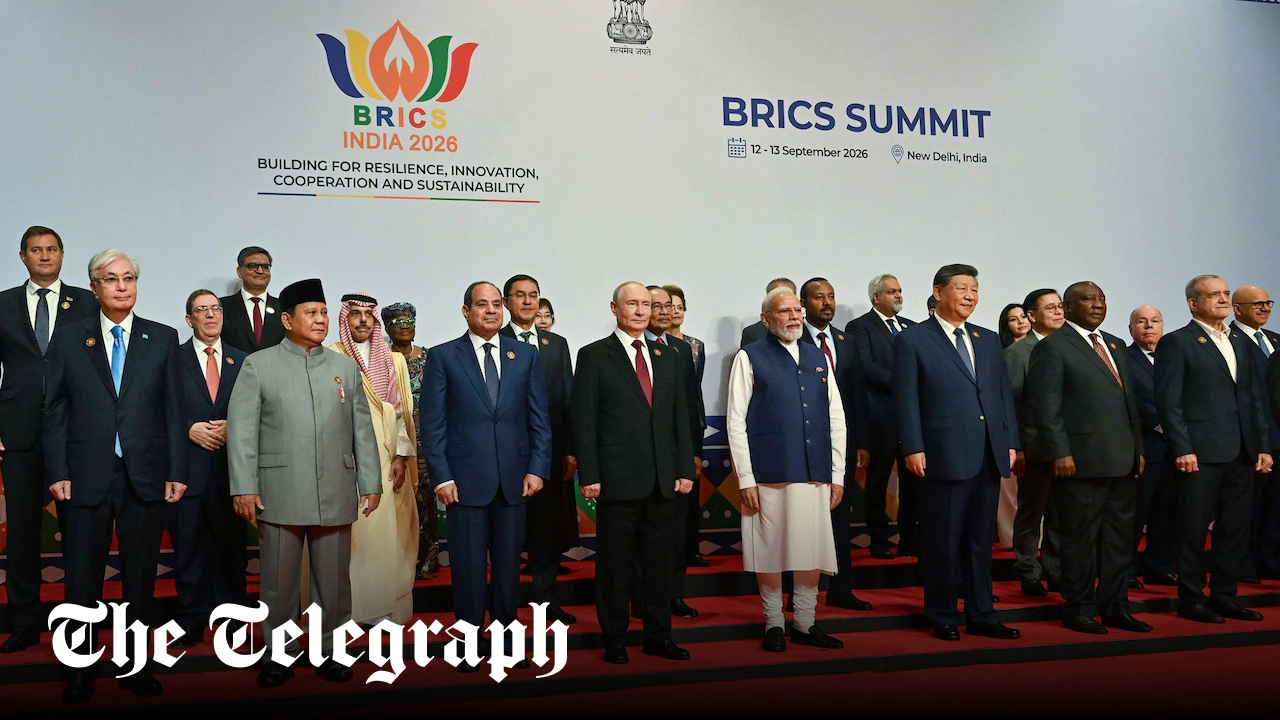
A diplomatic gathering has transformed into a heated domestic political battleground after the Indian government curated an exclusively vegetarian menu for world leaders attending the recent BRICS summit in New Delhi. The decision to omit meat, poultry, and fish from the high-profile dinner has drawn sharp rebukes from opposition figures, who argue that the state is misrepresenting the country’s vast and inclusive culinary identity on the global stage.
The banquet, which hosted dignitaries including Russian President Vladimir Putin and Iranian President Masoud Pezeshkian, featured a spread of over ten vegetarian courses. While the government framed the selection as a celebration of Indian heritage, critics have decried the move as a deliberate attempt to project a narrow, partisan vision of Indian cuisine that ignores the dietary habits of the vast majority of its own citizens.
A Clash Over Culinary Representation
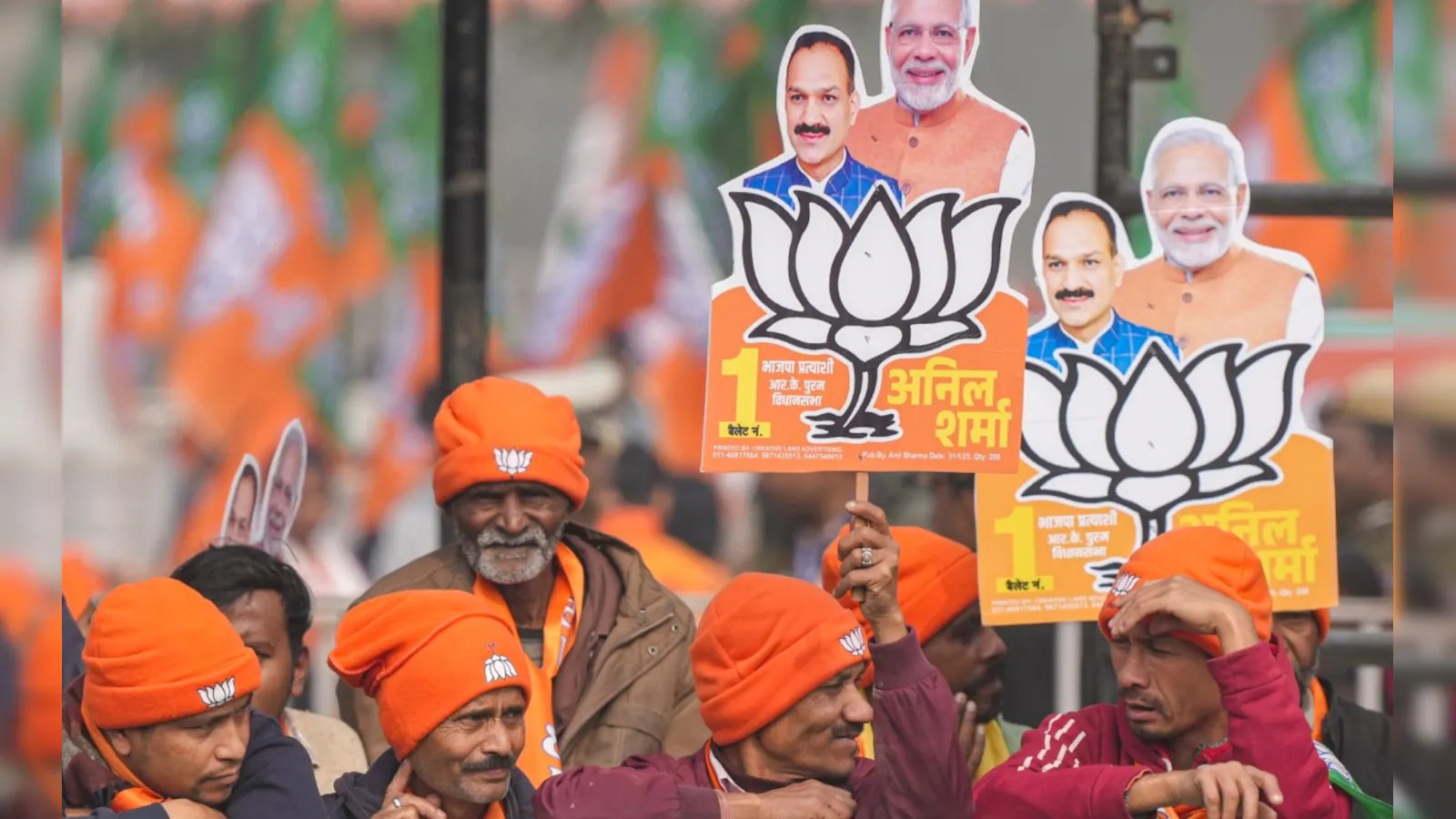
The criticism was led by senior figures from the Congress Party, who expressed frustration that the ruling Bharatiya Janata Party (BJP) had utilized an international platform to normalize its own ideological preferences.
Rahul Gandhi, the leader of the Congress Party, took to social media to challenge the optics of the event. In a statement posted to X, Gandhi emphasized the demographic reality of the nation, noting that approximately 80 percent of Indians identify as non-vegetarian. He underscored that Indian non-vegetarian cuisine is an essential and celebrated pillar of the country’s gastronomic landscape.
The sentiment was echoed by other party members who argued that the government’s actions were indicative of a broader trend of cultural imposition. Waris Pathan voiced his objection to narrowing the definition of Indian food, stating that while promoting vegetarianism is a valid choice, it should not be done at the expense of ignoring the cultural importance of meat, fish, and poultry. Pathan highlighted that these elements are deeply woven into the fabric of regional food traditions across the subcontinent.
Accusations of Global Imposition
Pawan Khera, another prominent Congress leader, escalated the rhetoric by suggesting that the administration is no longer content with influencing domestic dietary habits. Khera argued that the BJP has a long-standing pattern of pushing its specific lifestyle preferences onto the Indian public, but warned that exporting these choices to foreign heads of state risks creating a skewed international perception of the country.
“The BJP’s habit of imposing its dietary preferences on fellow Indians is already deeply problematic,” Khera remarked. “Now, they have taken it a step further by imposing their own choices on dignitaries from across the world.”
The controversy highlights a growing tension regarding how India chooses to present itself through “soft power.” As the country seeks to position itself as a global leader on the world stage, debates over cultural symbols—including food—have become flashpoints for deeper ideological struggles. While supporters of the menu argue that vegetarianism is an integral part of India’s moral and historical identity, the opposition remains firm in its belief that such a presentation fails to honor the lived experience and diversity of a nation where dietary habits are as varied as its geography.
As the dust settles on the summit, the debate serves as a reminder of the delicate balance required in representing a pluralistic society to the international community. For now, the BRICS menu has left a bitter taste for many in the opposition, who view the incident as another chapter in the ongoing contest over the soul of Indian identity.
Disclaimer: This content is auto-generated for informational purposes only.
Source: Read Original News