







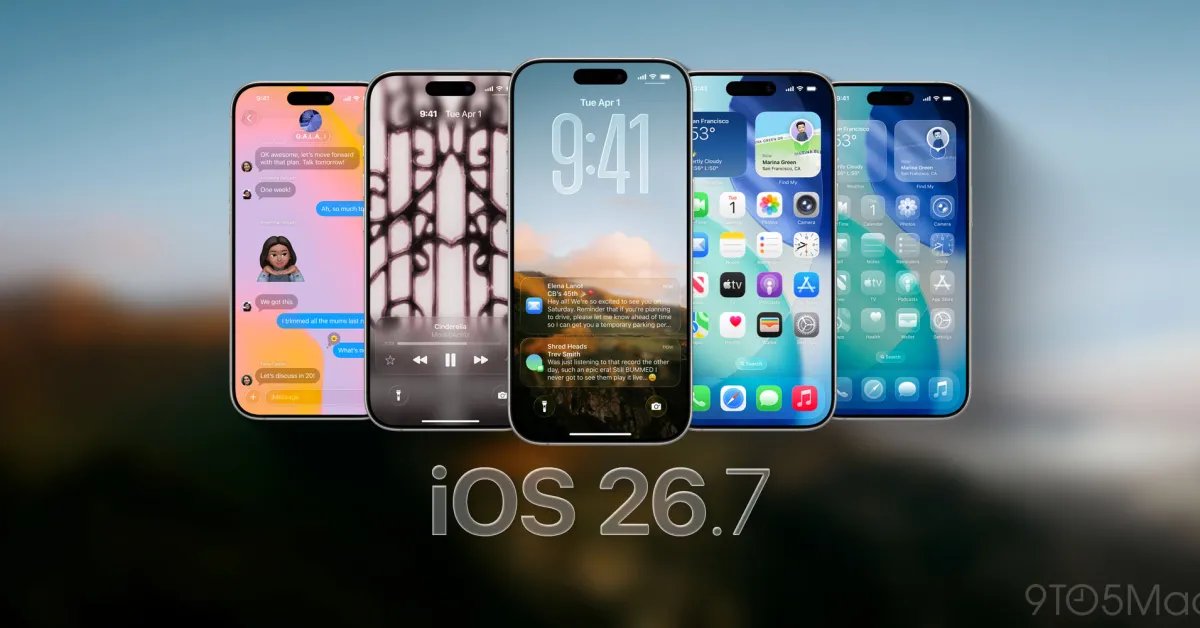
Understanding the Strategy Behind iOS 26.7
The release of a major operating system update is typically a polarizing event for technology enthusiasts. While early adopters rush to install the latest features, interface changes, and system overhauls, many users prefer to wait. This hesitation is often rooted in a desire to avoid early-release bugs or to ensure that critical third-party applications remain compatible with the new environment. Recognizing this behavioral pattern, Apple has maintained a specific update strategy: simultaneous deployment of a major OS leap alongside a refined security patch for the preceding generation.
iOS 26.7 serves as this bridge. While the industry attention is fixated on the arrival of iOS 27 and its associated feature sets, iOS 26.7 acts as a necessary maintenance vehicle. It allows the massive base of iPhone users who are not yet prepared to migrate to the next major version to remain protected against identified vulnerabilities without being forced into a platform-wide change.
Focusing on Essential Security Architecture
Unlike major releases, which often focus on user-facing enhancements, new interaction paradigms, or visual redesigns, iOS 26.7 is exclusively functional in its scope. According to Apple’s technical documentation, the update is dedicated to patching security loopholes. This shift in focus is significant because it acknowledges the reality of the threat landscape. Software vulnerabilities—whether they involve kernel-level exploits, memory corruption issues, or weaknesses in how the device handles encrypted communications—do not stop existing simply because a new, more advanced operating system has arrived.
By distributing these patches to the iOS 26 user base, Apple minimizes the attack surface of devices that have not yet moved to the new architecture. The release notes provide an extensive inventory of resolved CVE (Common Vulnerabilities and Exposures) entries. For the average user, the takeaway is clear: the absence of flashy new features does not equate to a lack of necessity. Installing this update is a fundamental act of digital maintenance required to safeguard private data, ensure secure network connectivity, and maintain the integrity of the device’s file system.
The Dual Path for iPhone Lifecycle Management
This strategy of parallel updates highlights Apple’s approach to device lifecycle management. By providing two distinct paths, the company addresses the needs of different user segments. Power users who rely on the latest software development kits or require the newest productivity tools will gravitate toward the major upgrade. Conversely, corporate environments, enterprise fleets, or casual users with a lower tolerance for post-launch instability find stability in the continued support of the previous version.
Maintaining security parity across the current and previous major versions is a complex engineering task. It requires the software team to isolate critical security fixes and backport them into the legacy codebase. This demonstrates a commitment to long-term device reliability. While the incentive for many is to chase the latest interface, the existence of iOS 26.7 ensures that security is not a privilege reserved only for those who update to the latest software, but a foundational expectation for every device in active use.
Impact on Performance and System Stability
One of the most frequent concerns regarding major operating system updates is the potential for performance regression. Older hardware models, while still compatible with the newest release, can sometimes experience increased power consumption or frame-rate variability during the early stages of a new OS rollout. Because iOS 26.7 is a refinement of a mature platform, it carries virtually no risk of introducing the unexpected performance overhead that sometimes accompanies the radical architectural shifts found in major annual updates.
Users who opt for iOS 26.7 are essentially choosing a “hardened” version of a known environment. They continue to benefit from an operating system that has already undergone several cycles of optimization, now stripped of known exploits. This makes the update a prudent choice for those who prioritize predictability and consistent battery performance over the novel functionality offered by iOS 27. It provides a window of opportunity for users to observe the feedback on the latest release, read professional reviews, and confirm that their core workflows remain uninterrupted before making the eventual transition to the newer ecosystem.
Ensuring Longevity Through Vigilance
The transition between operating system versions is a critical window for digital security. Malicious actors are often most active when a new OS is released, as they look for vulnerabilities in the new code or attempt to exploit devices that have not yet updated to the latest protective standards. The release of iOS 26.7 is a tactical measure to prevent users from becoming an easy target while they postpone the transition to the next iteration of the software.
To maintain the security of an iPhone, the user-side process remains the same: navigating to the General section of the Settings menu and selecting Software Update. For those who are not ready for a major change, the system will now present the iOS 26.7 update as a focused, high-priority security fix. Engaging with this update ensures that the hardware remains compliant with current safety standards. It is a reminder that in an increasingly interconnected landscape, the most effective tool for long-term device performance is not the latest set of icons or features, but the diligent application of critical system patches that keep unauthorized access at bay.
Disclaimer: This content is auto-generated for informational purposes only.
Source: Read Original News