







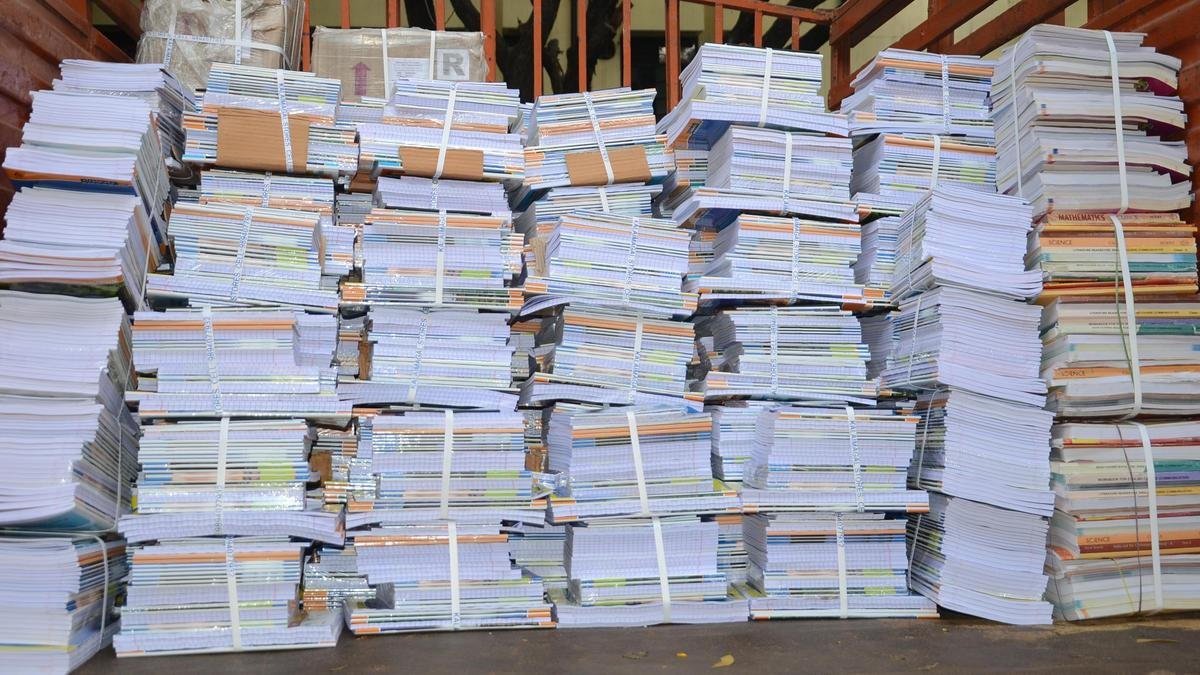
The National Council of Educational Research and Training (NCERT) has officially integrated a formal study of the 1975 Emergency into the Class 9 curriculum, marking a significant shift in pedagogical strategy. The inclusion, featured in the newly introduced textbook Understanding Society: India and Beyond, places the event at the heart of discussions surrounding the durability and resilience of Indian democratic institutions.
Broadening the Scope of Civic Literacy
Previously, the study of the Emergency—a pivotal period in post-independence Indian history—was restricted to the senior secondary level, specifically within the Class 12 Political Science curriculum. By introducing this topic to Class 9 students, the NCERT is signaling a policy shift toward earlier exposure to critical historical and political analysis.
Educators argue that introducing this subject at a middle-school level encourages students to move beyond surface-level definitions of governance. The textbook frames the Emergency as “one of the major challenges to democracy in India,” a phrasing intended to prompt students to think critically about the institutional safeguards, constitutional checks, and the separation of powers that define the Indian state. This shift is designed to foster a more nuanced understanding of how democratic systems must navigate periods of internal crisis.
Aligning with Educational Reform
The timing of this update coincides with the 50th anniversary of the declaration of the Emergency, an event that serves as a case study for modern civic education. From an examination perspective, this inclusion expands the scope of the social science syllabus. For competitive and board assessments, students will now be expected to engage with the thematic complexity of the Emergency—ranging from the suppression of civil liberties to the eventual restoration of the democratic process.
Policy experts suggest that the inclusion is not merely about reciting historical facts but about teaching students to evaluate the scale of India’s democratic system. By integrating data on voter participation, polling infrastructure, and political representation alongside the discussion of the Emergency, the curriculum aims to provide a comparative lens. It allows learners to contrast the fragility of institutions during times of emergency against the robust nature of India’s electoral machinery.
Impact on Institutional Learning
For institutions, this update requires a shift in teaching methodology. Instructors are now tasked with guiding younger adolescents through complex constitutional concepts. The goal is to move classroom discourse from rote memorization toward a functional understanding of democracy.
“Understanding the challenges to democracy is as vital as understanding its successes,” says a curriculum consultant familiar with the changes. “By analyzing the 1975 period, students learn why constitutional protections for the press, the judiciary, and individual citizens are not merely abstract concepts, but essential pillars that must be defended.”
Preparing for Future Assessments
As the curriculum continues to evolve under the National Education Policy (NEP) framework, students can expect subsequent examinations to test their grasp of the “Strengths and Challenges” model highlighted in the new text. Educators recommend that students focus on:
- Constitutional Literacy: Understanding the role of the judiciary and legislature in maintaining the balance of power.
- Civic Responsibility: Recognizing the historical lessons derived from periods of political unrest.
- Data Analysis: Interpreting the provided statistics on voter participation as a metric for the health of India’s democracy.
By formalizing this chapter of history in the middle-school curriculum, the NCERT is ensuring that future generations are better equipped to analyze the past, thereby strengthening their ability to participate effectively in the democratic processes of the future. The inclusion serves as a reminder that Indian democracy is an ongoing project—one that requires continuous study and vigilance.
Disclaimer: This content is auto-generated for informational purposes only.
Source: Read Original News