








Understanding the Role of iOS 26.7 in the Software Lifecycle
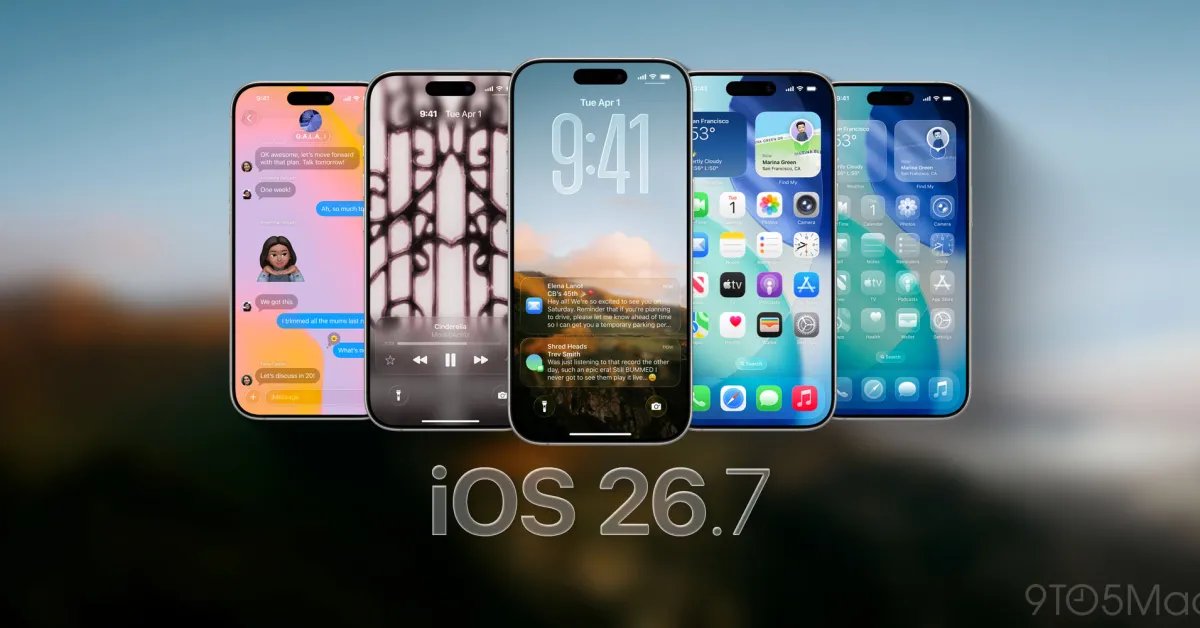
Apple has officially initiated a transitional phase in its mobile operating system strategy by releasing iOS 26.7 alongside the debut of iOS 27. For the average iPhone user, this update serves a specific, defensive purpose. Unlike major version releases that introduce user-facing visual modifications, new application functionalities, or revamped interface components, iOS 26.7 is exclusively engineered to address underlying security vulnerabilities.
By deploying this update, Apple provides a necessary bridge for users who are not yet prepared to transition their devices to the latest major software iteration. The software update interface has been calibrated to reflect this dual-path strategy. Upon checking for updates within the system settings, users are presented with iOS 26.7 as the primary recommendation, while the option to install iOS 27 remains accessible at the bottom of the screen. This design facilitates a controlled migration, allowing users to stabilize their current environment before committing to the systemic changes inherent in a new generation of the operating system.
The Importance of Security-Focused Patching
In an era where digital threats evolve rapidly, the release of minor updates like iOS 26.7 is critical. These updates contain specialized code patches that neutralize known vulnerabilities, protecting the device’s kernel and framework against potential exploits. Security flaws can range from memory corruption issues that lead to unauthorized code execution to privacy leaks that could expose sensitive user data.
Apple’s current release cadence indicates that security maintenance has become a primary driver of its software development lifecycle. As documented in previous minor releases, such as iOS 26.6.1, which addressed nearly 30 distinct vulnerabilities, the company is prioritizing the rapid dissemination of security fixes to mitigate the risks discovered in the underlying architecture. By isolating these security patches within a maintenance release like iOS 26.7, Apple ensures that users who wish to stay on a mature version of the OS do not have to forfeit the protection of their hardware.
Strategic Deployment for Enterprise and Stability
The deployment of iOS 26.7 is particularly significant for enterprise environments, educational institutions, and users who rely on specific, mission-critical applications that may require extensive compatibility testing before upgrading to a new OS version. Major updates, such as iOS 27, frequently introduce changes to application programming interfaces (APIs) and system policies that can inadvertently break legacy software or hardware configurations.
By maintaining support for the iOS 26 branch, Apple provides system administrators with the necessary time to validate their internal workflows. This period of dual support minimizes downtime and ensures that enterprise security mandates are met without disrupting business continuity. When an organization standardizes on a specific iOS version, they require the assurance that the platform remains secure, even if it is not the most recent version available. iOS 26.7 serves as a testament to this, proving that software longevity is a foundational element of Apple’s ecosystem management.
Comparing the Transition Paths
Users currently deciding between staying on iOS 26 or moving to iOS 27 should consider their requirements for system performance and software compatibility. iOS 26.7 is an ideal choice for users who value stability above all else. Because it lacks the feature-rich updates of the newer version, it is less likely to introduce unforeseen software conflicts. Conversely, iOS 27 is intended for users who wish to leverage the newest architectural improvements, interface enhancements, and performance optimizations.
The presence of both updates in the software update menu reflects a transparent, user-centered approach to lifecycle management. Apple has confirmed that iOS 27 maintains broad hardware compatibility, running on the same range of iPhones that supported iOS 26. This widespread support structure ensures that no user is forced to upgrade due to hardware limitations alone. Instead, the transition remains a proactive choice, dictated by individual needs for new features versus the preference for a proven, hardened software environment.
The Future of iOS Maintenance
Looking ahead, it is highly probable that Apple will eventually prioritize iOS 27 as the mandatory update for the iPhone, phasing out the iOS 26 branch entirely. Historical trends suggest this will occur within a few weeks, once the stability of the new OS is fully confirmed through widespread adoption. As that timeline approaches, the frequency of security patches for iOS 26 will naturally decrease, signaling the end of life for that specific version.
For now, the release of iOS 26.7 serves as a reminder of the complexity behind maintaining millions of devices across the globe. By separating critical security updates from major feature rollouts, Apple manages to keep its diverse user base protected while allowing individuals the flexibility to manage their device software on their own terms. Users who prioritize security should apply this update immediately to ensure their devices are shielded against current threats, regardless of whether they plan to transition to the latest major software release today or in the coming weeks.
Disclaimer: This content is auto-generated for informational purposes only.
Source: Read Original News