








The Transition to OLED Display Technology
Apple is reportedly preparing a significant hardware refresh for its professional laptop line, marking a pivotal shift in display engineering for the MacBook Pro series. Industry reports indicate that the company is finalizing the development of 14-inch and 16-inch MacBook Pro models equipped with touch-enabled OLED panels. This transition represents a departure from the Mini-LED technology found in current high-end models, promising superior contrast ratios, deeper black levels, and improved power efficiency.
The integration of OLED technology into the MacBook Pro lineup is expected to provide creators with higher color accuracy and more precise brightness control at the pixel level. Unlike Mini-LED, which relies on a backlight layer, OLED panels utilize self-emissive pixels, allowing the display to achieve true black by turning off individual pixels entirely. This technological leap is particularly beneficial for high-end professional workflows, such as color grading, photo editing, and digital illustration, where visual fidelity is paramount.
Integration with macOS 27.1
The hardware development is currently moving in lockstep with software optimization. Internal testing is underway for macOS 27.1, an operating system update specifically engineered to support the new hardware capabilities of these upcoming devices. According to industry analysis, this version of the operating system is slated for release in late October 2026.
The inclusion of touch functionality in the macOS environment is perhaps the most significant software development. While Apple has historically kept the MacBook and iPad lines distinct, the introduction of an OLED touch display suggests a hybrid approach to user interaction. macOS 27.1 is designed to handle touch input inputs with the necessary precision, likely incorporating system-wide gestures that mirror the fluidity found in the iPad ecosystem while maintaining the productivity-focused architecture of the Mac.
Performance Under the M5 Pro and M5 Max Architecture
Under the hood, these new MacBook Pro models are expected to be powered by the M5 Pro and M5 Max chips. By utilizing this silicon, Apple aims to maintain the high performance-per-watt ratio that has become synonymous with its proprietary chips. The M5 series is designed to handle the increased data processing requirements of the high-resolution OLED displays, ensuring that the interface remains responsive even when users are interacting with touch-based creative applications.
These chips are expected to feature enhanced neural engines and advanced media engines, which will streamline tasks such as real-time 8K video rendering and complex 3D modeling. The decision to prioritize the M5 Pro and M5 Max for these inaugural OLED models reinforces their status as premium, top-tier offerings intended to satisfy the rigorous demands of professional studios and independent creative professionals alike.
Redefining the Form Factor and User Interface
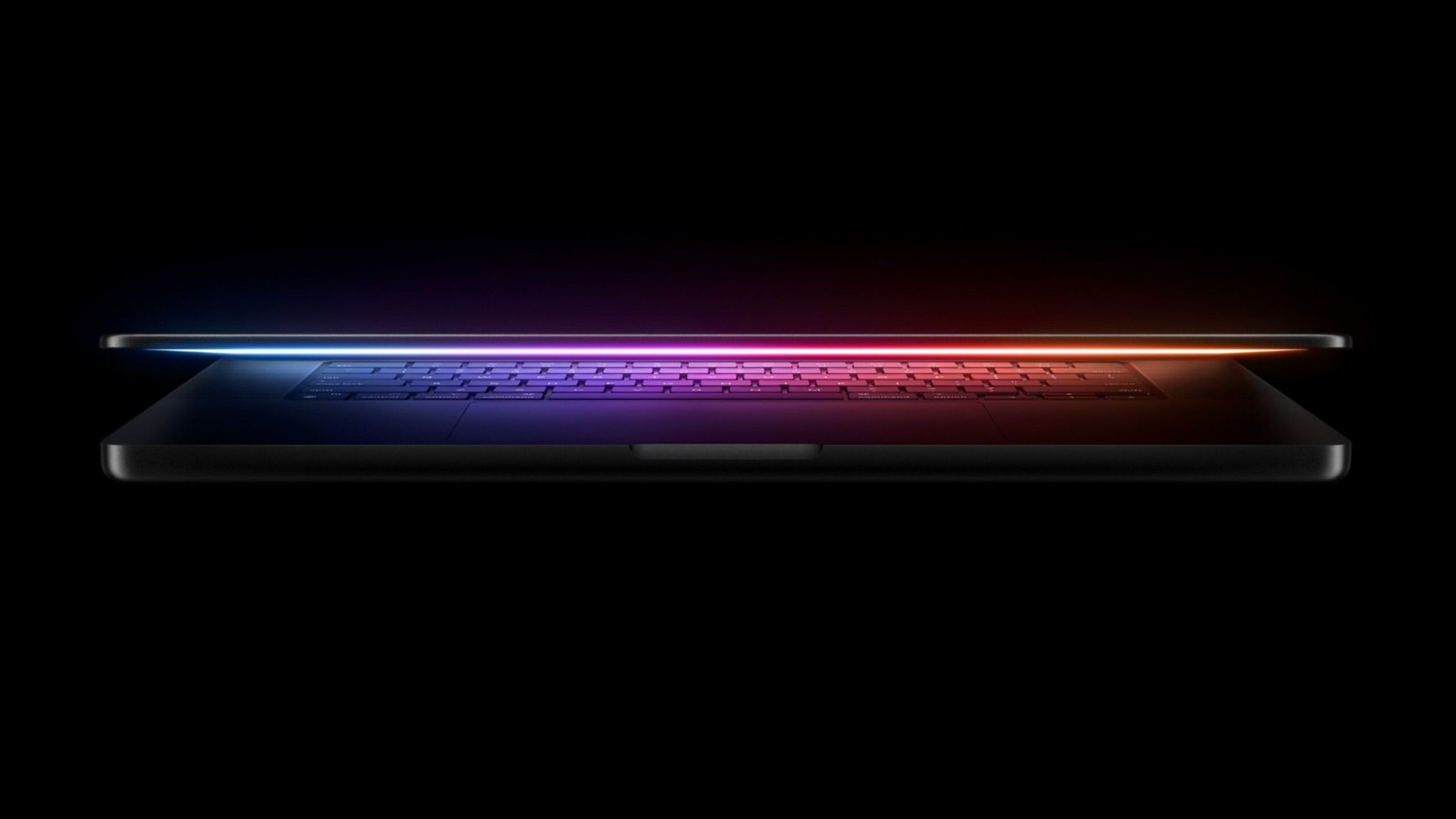
Beyond the display and internal processing power, the upcoming MacBook Pro models are expected to introduce a refined industrial design. Reports suggest a thinner chassis, which is made possible by the reduction in thickness that OLED panels provide compared to traditional backlighting assemblies. This design change could significantly alter the portable nature of the devices, making them easier to carry without sacrificing structural integrity or cooling capacity.
Furthermore, the iconic screen notch is rumored to be replaced by a Dynamic Island implementation. This shift brings the interactive, notification-centric UI element from the iPhone to the Mac, potentially providing users with a dedicated space for system status updates, background activity monitoring, and quick-access controls. This design evolution points to a more unified software experience across Apple’s ecosystem, where the display does not just serve as a monitor, but as an active component of the computing interface.
Market Positioning and Future Roadmap
These OLED-enabled models are currently viewed as a premium tier sitting above the standard MacBook Pro lineup. While current 14-inch and 16-inch models remain staples for general professional use, the introduction of these units establishes a “top-of-the-line” category. Apple’s strategy involves segmenting its high-end portfolio to offer distinct hardware advantages for different tiers of users.
Looking ahead, this launch sets the stage for the rest of the Mac lineup. While standard models are expected to receive an architectural jump to the M7 Pro and M7 Max chips in the coming year, the OLED MacBook Pro serves as the proving ground for new interface technologies. By isolating these features into a specific product category, Apple can carefully manage the rollout of complex new hardware, ensuring that the software ecosystem is fully optimized before scaling these technologies to more affordable product segments. The late 2026 release window indicates that these machines will conclude a year of significant hardware transformation for the Mac, providing a new benchmark for mobile computing power and interactive design.
Disclaimer: This content is auto-generated for informational purposes only.
Source: Read Original News