








The Evolution of a Cult Classic
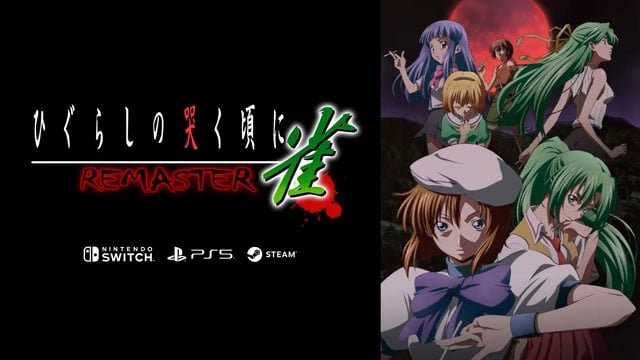
The landscape of modern gaming often sees a fascination with remastering titles that bridge unconventional genres. City Connection has recently taken a bold step into this territory by announcing the 2027 launch of Higurashi no Naku Koro ni Jong REMASTER. This title is a comprehensive overhaul of a unique mahjong adventure game, bringing the iconic characters and eerie atmosphere of the Higurashi franchise to PlayStation 5, Nintendo Switch, and PC via Steam. By transitioning this specialized experience to contemporary hardware, the developers aim to provide both seasoned fans and newcomers with a refined version of a niche classic.
The project represents more than a simple visual polish; it is a technical modernization of a title that blends narrative-heavy storytelling with the strategic rigors of Japanese mahjong. Set for release in Japan with support for Japanese, Traditional Chinese, and Simplified Chinese, the remaster signals an effort to preserve the interactive legacy of the original while ensuring performance stability across modern platforms.
Core Gameplay Mechanics and Strategic Depth
At its heart, the remaster utilizes the rules of Riichi Mahjong, a complex and highly strategic version of the game. However, the title distinguishes itself by framing these matches within high-stakes narrative scenarios. The gameplay is exclusively designed for two-player, one-versus-one matches, focusing the tension on a direct rivalry. Unlike standard mahjong simulations that prize orthodox strategy, this title introduces a mechanic centered on survival and manipulation.
A defining feature of the gameplay loop is the intentional inclusion of unfair tactics and cheating. Players are encouraged to utilize unorthodox maneuvers to gain an edge during matches. This design choice shifts the focus from purely objective tile-matching to a more tactical, risk-reward-based system where the objective is to circumvent the rigid structure of traditional mahjong. For players who find the complexity of mahjong daunting, the developer has integrated an Auto Mode, allowing the computer to manage the tile sets and strategic decisions, thereby prioritizing the narrative experience over the competitive barrier to entry.
Diverse Modes for Varied Engagement
The remaster organizes its content into three primary modes, each serving a distinct purpose within the game structure. Oyashiro Mode serves as the narrative backbone, where players assume the role of Keiichi Maebara. In this mode, the consequences of match performance are elevated, as the objective is to avoid the thematic tragedy of Hinamizawa through the medium of mahjong. This mode functions as the primary campaign, requiring players to master the game’s mechanics to progress toward the true ending.
In contrast, Club Mode offers a more relaxed environment, focusing on after-school matches between familiar characters with penalty-based stakes. This serves as the game’s sandbox for casual play, allowing users to customize character combinations freely. The third component, Club Mode Extra: Paikuzushi Chapter, introduces a scenario-based system ported from handheld iterations. This mode rewards consistent victories with special reward cutscenes, adding a layer of progression and incentives that are common in modern visual novels.
Technical Enhancements and Visual Fidelity
The transition to current-generation consoles brings significant improvements to the game’s aesthetic presentation. A core pillar of this remaster is the inclusion of elaborate animation effects that persist throughout the matches. Rather than limiting high-quality assets to character introductions or win sequences, the developers have implemented dynamic animations that occur during gameplay itself. This ensures that the visual feedback remains engaging throughout the duration of the matches.
Furthermore, the title features newly commissioned artwork from esteemed guest illustrators such as Poyoyon♥Rock. These contributions are compiled into a Bonus Gallery, which pairs the high-resolution illustrations with accompanying audio dramas. By integrating these assets into an unlockable format, the game incentivizes deep exploration of its post-campaign content. The combination of updated character sprites and modern rendering techniques allows the remaster to maintain the distinct visual style of the series while meeting the display standards of contemporary 4K and high-refresh-rate gaming environments.
The Impact of Specialized Remastering
The announcement of this remaster underscores a broader trend in the industry: the commitment to preserving niche cultural titles through modern technical updates. By applying high-fidelity animation and standardized control schemes to a game that previously existed in a more limited form, the developers are ensuring that the title remains functional and accessible for years to come.
The project also highlights the utility of the Riichi Mahjong format as a vehicle for narrative delivery. By utilizing the inherent tension of a two-player, zero-sum game, the developers can craft moments of genuine suspense that are mechanically rooted in the play itself rather than being relegated to text-based sequences. As the development progresses toward the 2027 release date, the focus will remain on balancing the intricate rule sets of traditional mahjong with the unpredictable, competitive nature of the game’s unique cheating mechanics. This synthesis of tradition and subversion remains the primary draw for those anticipating the title’s return to the modern gaming market.
Disclaimer: This content is auto-generated for informational purposes only.
Source: Read Original News