






Expanding the Sonic Racing: CrossWorlds Ecosystem
SEGA has officially inaugurated the second year of support for its flagship racing title, Sonic Racing: CrossWorlds, with a significant content expansion. The announcement marks a shift in the platform’s longevity strategy, moving beyond franchise-internal assets to incorporate iconic properties through strategic collaborations. By integrating characters and vehicles from outside the traditional Sonic the Hedgehog universe, the development team is effectively broadening the game’s technical and aesthetic reach, catering to a diverse demographic of players who enjoy high-fidelity arcade racing mechanics.
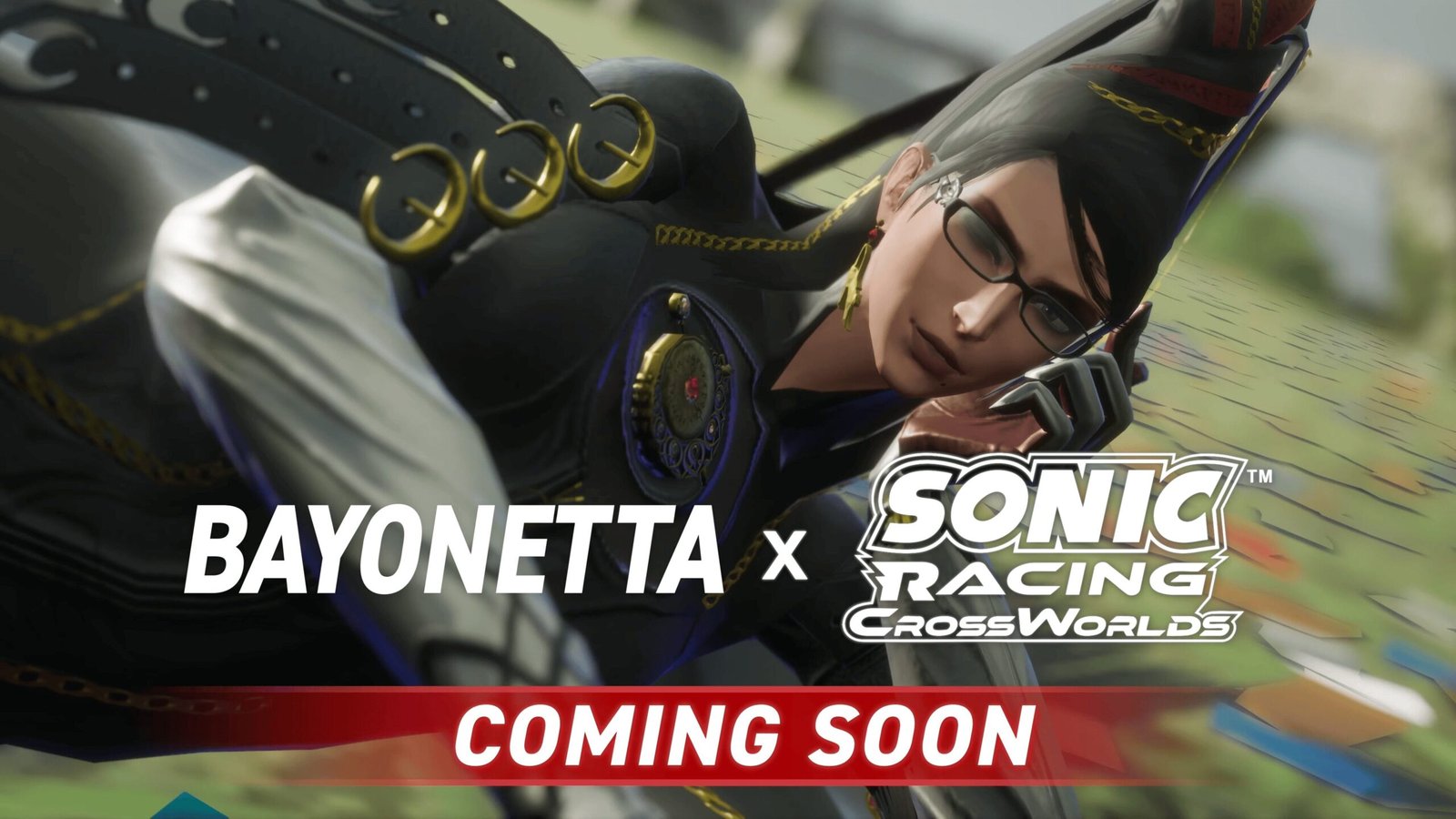
The cornerstone of this update is the inclusion of Bayonetta as a playable character. This addition is not merely a cosmetic skin swap; it represents a functional integration of the character’s unique personality and thematic identity into the game’s physics-based engine. Players utilizing Bayonetta will have access to the Butterfly Witch machine, a specialized vehicle designed to reflect the character’s signature visual style while maintaining the performance standards established by the core game’s roster. Beyond the vehicle and character model, the update bundles custom emotes and proprietary sound assets, ensuring a high degree of authenticity that aligns with the established expectations for modern character-driven racing games.
Collaborative Integration and Technical Diversity
The announcement also provided a technical glimpse into the forthcoming Godzilla and Evangelion downloadable content packs. These expansions signify a complex implementation of cross-media assets within the Sonic Racing: CrossWorlds engine. The Godzilla pack introduces the Godzilla Escape course, which utilizes advanced environmental rendering to simulate the scale and destructiveness associated with the franchise. Alongside the track, the pack features the Godzilla Cruiser, King Ghidorah Coupe, and Mothra Surf machines. Each vehicle is engineered with distinct handling characteristics, allowing for tactical variety in high-speed competition.
The Evangelion content pack leans further into character-focused gameplay, introducing Rei Ayanami and Asuka Shikinami Langley as playable racers. The inclusion of the EVA-01, EVA-00, and EVA-02 machines showcases the flexibility of the game’s vehicle customization system. By mapping the mechanical aesthetics of these units to the game’s drift and boost mechanics, the developers aim to provide a cohesive experience that satisfies both fans of the source material and players seeking high-performance racing dynamics. These packs demonstrate how current gaming platforms can act as a hub for disparate intellectual properties, merging them into a unified, interactive space.
Impact on Game Longevity and Player Retention
The decision to offer Bayonetta as a free update for the start of the second year highlights an aggressive retention strategy. In the modern gaming industry, the ability to maintain a consistent player base depends on the reliable delivery of high-quality, relevant content. By lowering the entry barrier for this marquee character, SEGA is incentivizing existing players to remain active while simultaneously attracting fans of the Bayonetta franchise. This approach to “live service” maintenance is essential for racing games, which rely on competitive balance and a steady influx of new challenges to keep the core gameplay loop engaging over extended periods.
Furthermore, the introduction of specialized courses like the Tokyo-III track from the Evangelion pack suggests an ongoing effort to innovate in track design. Unlike standard circuit layouts, these environments are designed to host dynamic hazards and narrative-heavy set pieces that utilize the graphical capabilities of current-generation hardware, including the PlayStation 5, Xbox Series X/S, and high-end PC configurations. The technical investment required to optimize these large-scale assets across such a wide range of platforms, from mobile-adjacent handhelds to performance-tier PCs, reflects a mature development pipeline that prioritizes cross-platform consistency.
Future Roadmap and Community Engagement
The roadmap for Sonic Racing: CrossWorlds does not end with these announcements. SEGA has indicated that a comprehensive overview of the second-year development cycle will be unveiled during the World Championship Finals and Year Two Showcase. This event, scheduled for October 9, is designed to serve as a bridge between the developer and the community, offering transparency regarding the technical updates, new game modes, and further collaborative endeavors currently in production.
For competitive players, the showcase is expected to provide detailed telemetry and balance adjustments that will dictate the competitive landscape for the next twelve months. The transition into year two of Sonic Racing: CrossWorlds is a testament to the platform’s stability. By utilizing a blend of free content updates and premium downloadable packs, the development team has created a sustainable financial model that allows for continuous technical innovation. As the game continues to evolve, the integration of these high-profile intellectual properties ensures that the title remains relevant in a crowded market, proving that the synergy between classic arcade racing and external media franchises is a potent formula for long-term success.
The availability of Sonic Racing: CrossWorlds across a wide spectrum of platforms, including the latest hardware generations and PC storefronts, guarantees that the technical advancements brought by these updates are accessible to a broad user base. As the game enters its second year, the focus remains on enhancing the player experience through consistent asset updates, technical refinement, and the successful incorporation of iconic character rosters.
Disclaimer: This content is auto-generated for informational purposes only.
Source: Read Original News