







The velvet ropes have been packed away, the champagne flutes are empty, and the golden statuettes have found their new homes. The 78th Primetime Emmy Awards have officially concluded, delivering a night of predictable powerhouses, genuine surprises, and a few coronation moments that have already begun to define the current golden age of television.
If this year’s ceremony proved anything, it’s that the television landscape is shifting beneath our feet. We saw the continued dominance of gritty, character-driven dramas, a surprising resurgence in comedy storytelling, and a limited series landscape that felt more like a cultural referendum than a mere list of nominees.
The Pitt Takes Control: A New Drama King
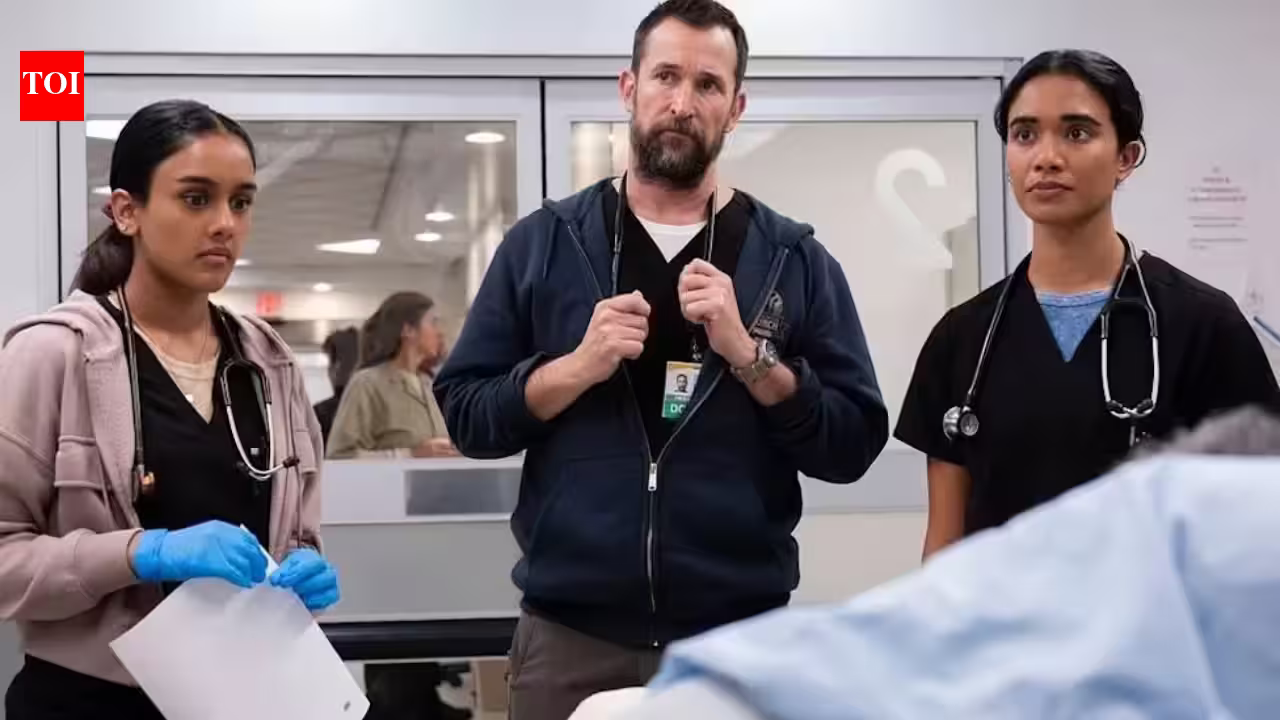
The race for Best Drama Series was, on paper, one of the most crowded in years. With heavy hitters like The Diplomat and the critically adored Slow Horses in the mix, many pundits were split. However, the voters leaned into the visceral, high-stakes intensity of The Pitt.
Noah Wyle, who took home the lead actor award for his role in the series, seemed genuinely humbled by the recognition. The show, which garnered an impressive spread of nominations across acting and technical categories, proved that audiences are still hungry for procedural-adjacent intensity that doesn’t sacrifice emotional depth. While veterans like Gary Oldman put up a fierce fight for the gold, the momentum behind The Pitt was simply too strong to deny.
Comedy’s New Frontier: Widow’s Bay Wins Big
Perhaps the most refreshing narrative of the evening was the sweep by Widow’s Bay. In a category that included perennial favorites like Abbott Elementary and the sharp-witted Hacks, Widow’s Bay emerged as the undisputed champion, claiming Best Comedy Series and individual wins for Matthew Rhys, Stephen Root, and Kate O’Flynn.
The victory of Widow’s Bay marks a pivot in what voters are currently looking for in comedy. While Abbott and Hacks rely on established, rapid-fire humor, Widow’s Bay brought a uniquely atmospheric and character-focused tone that resonated deeply with the academy. Jean Smart, ever the icon, held onto her crown for Hacks, but for the show as a whole, the evening was a reminder that even the most successful comedies eventually share the spotlight with rising new voices.
The Limited Series Slugfest
The limited and anthology category remains the most brutal battlefield at the Emmys, and this year’s fight was no exception. DTF St. Louis emerged as the breakout star of the night, securing the award for Best Limited or Anthology Series. It was a well-deserved victory for a project that critics praised for its biting social commentary and tight, claustrophobic narrative structure.
The individual acting awards in this bracket offered a mix of legendary status and fresh acclaim. Sally Field once again showcased why she is a titan of the industry, taking home the lead actress trophy for her role in Remarkably Bright Creatures, while Matthew Rhys continued his banner year with a lead actor win for The Beast in Me. Watching legends like Field stand on that stage is a reminder that while television trends evolve, the power of a seasoned performance remains the bedrock of the medium.
Behind the Scenes: Who Really Ran the Show?
The technical and craft awards are where the real work happens, and this year, the spotlight on directors and writers felt more pronounced than ever. Vince Gilligan’s win for Writing for a Drama Series (Pluribus) serves as a masterclass in why he remains one of the most respected voices in the industry. Meanwhile, the Directing for a Comedy Series win for Hiro Murai on Widow’s Bay cemented the show’s status as a stylistic triumph.
It wasn’t just the prestige dramas grabbing the attention, though. The comedy writing award went to Katie Dippold for Widow’s Bay, putting a final exclamation point on the show’s dominance. These wins highlight a shift toward visionary showrunning where the creator’s distinct voice is the primary selling point for the audience.
The Changing Tastes of the Academy
Looking at the broader list of winners, we see a clear trend: the Emmys are becoming increasingly comfortable rewarding shows that blend genres. The lines between comedy, drama, and anthology are blurring, and the voters are responding by championing risk-taking over format adherence.
From The Traitors snagging the Reality Competition award—further fueling the popularity of the high-stakes game show format—to the perennial satire of South Park holding its own in the animation category, the winners list reflects a broad, diverse appetite. Whether it was the live spectacle of the Super Bowl halftime show winning big in the Variety category or the return of familiar faces like Allison Janney to the winner’s circle, the 2026 Emmys felt like a bridge between the classic era of prestige television and the faster, more chaotic streaming future.
As we look toward next year, the message from the academy is loud and clear: if you want that gold trophy, you need to be bold. The industry is no longer playing it safe, and if the 78th Primetime Emmy Awards were any indication, we are in for a fascinating few years of television ahead. For now, the winners can celebrate, the studios can tally their prestige, and we can all get back to our watchlists to catch up on the shows that moved the needle this year.
Disclaimer: This content is auto-generated for informational purposes only.
Source: Read Original News