





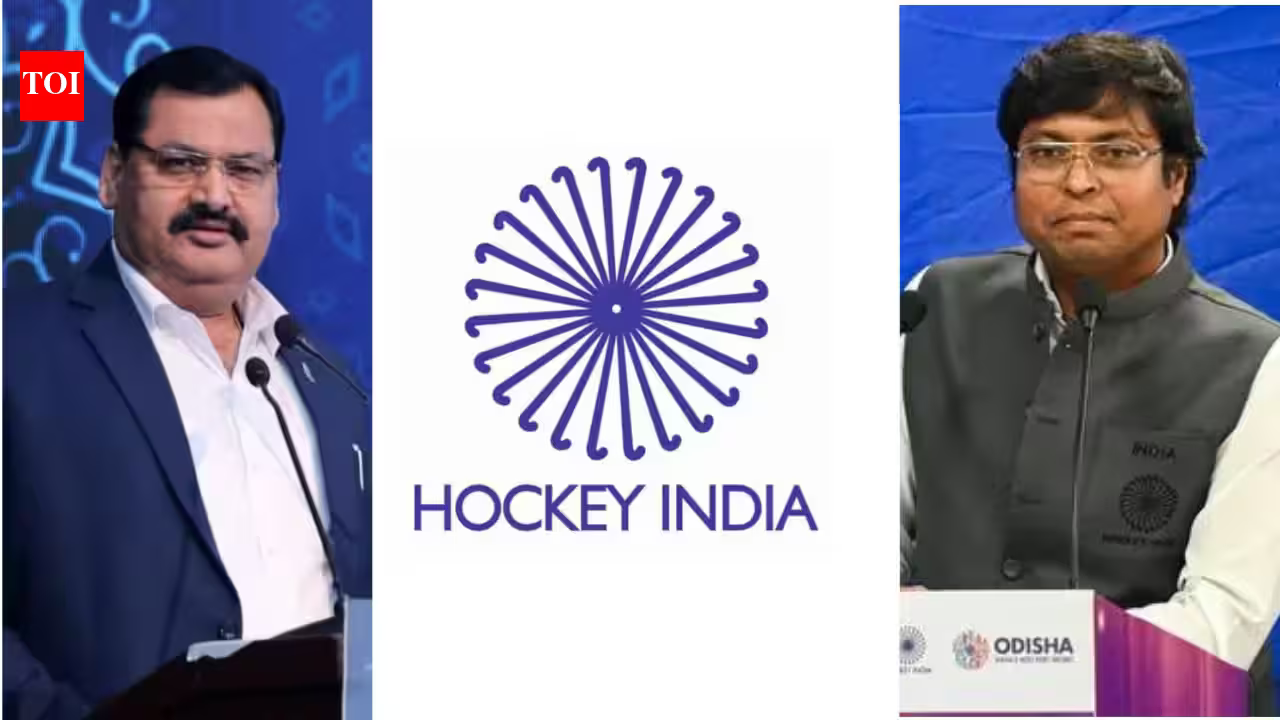
Tensions within the upper echelons of Hockey India have reached a boiling point, prompting the Union Sports Ministry to take a firm, if measured, stance on the internal turmoil threatening the governing body’s stability. While the sport seeks to capitalize on the momentum of recent international campaigns, a public power struggle between President Dilip Tirkey and Secretary General Bhola Nath Singh has cast a long shadow over the administration.
Sources within the Sports Ministry have signaled a preference for an internal resolution, emphasizing that the situation, while fractious, is far from insurmountable. However, there is a clear boundary being drawn: should the warring factions fail to find common ground, the government is prepared to intercede to protect the interests of the game.
## A Rift Over Saffron: The Catalyst for Chaos
The friction within Hockey India can be traced back to a contentious decision that rippled far beyond the confines of the boardroom: the abrupt alteration of the national teams’ jersey colors from the iconic traditional blue to saffron ahead of the World Cup.
The aesthetic shift, which drew sharp criticism from both the hockey fraternity and the general public, served as the breaking point for an already strained administrative relationship. Dilip Tirkey, a legendary former captain and the face of Indian hockey’s administration, publicly distanced himself from the decision, asserting that he was never consulted on the matter.
The ensuing fallout has been swift. In a bold assertion of executive authority, Tirkey issued a formal show-cause notice last week to Hockey India Director General Cdr R.K. Srivastava. The move is widely viewed as a direct jab at the camp of Secretary General Bhola Nath Singh, as Srivastava is perceived to be closely aligned with Singh’s faction.
## EGM Deadlock and Administrative Stalemate
The administrative paralysis has only deepened as the two camps continue to operate in silos. In a direct challenge to the President’s authority, Bhola Nath Singh has moved to convene an Emergent Board Meeting (EGM) scheduled for September 18. The meeting is ostensibly intended to address the current crisis, yet the path to such a gathering is fraught with procedural conflict.
Tirkey has vehemently refused to recognize or approve the proposed EGM. His position remains firm: he will not authorize any such meeting until he receives a satisfactory response from Cdr Srivastava regarding the jersey controversy and other outstanding administrative grievances. This impasse has left the Hockey India hierarchy in a state of suspended animation, with neither side willing to blink.
## Government Intervention: A Last Resort
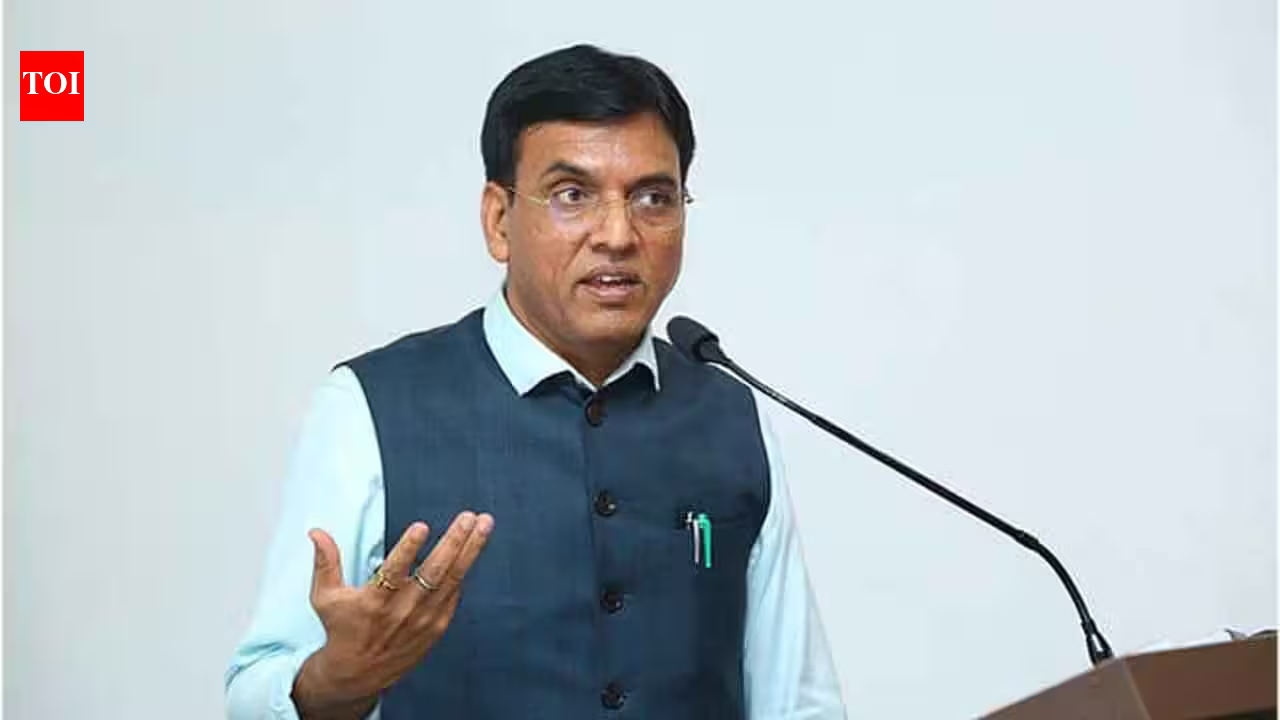
The Sports Ministry is keeping a watchful eye on these developments. In a high-level meeting on Monday, Sports Minister Mansukh Mandaviya engaged with the Hockey India top brass to discuss the roadmap for the much-anticipated Hockey India League (HIL) and its long-term financial sustainability.
While the meeting aimed to project a unified vision for the league, the logistical reality highlighted the dysfunction: while Tirkey was present in person, Bhola Nath Singh and acting Director General Ranjit Gill attended the session virtually.
“Let them resolve it amicably, mutually,” a Sports Ministry source stated. “It is not an issue that can’t be resolved. It is our responsibility to fix it. Like football, hockey needs to also work in a similar manner with its league. Whether ministry intervention is needed would be decided once it is clear that the situation is not getting resolved.”
The Ministry’s comparison to football is telling. Having witnessed the administrative complexities that can plague major sporting federations, the government is clearly signaling that it will not tolerate a prolonged power struggle that jeopardizes the commercial and professional success of the HIL, a project vital for the sport’s domestic growth.
## The Broader Context: Performance vs. Politics
Amidst the bureaucratic infighting, the stakeholders of Indian hockey are increasingly concerned about the impact on the national teams. The men’s team recently concluded their campaign at the FIH World Cup in Belgium and the Netherlands with an eighth-place finish, while the women’s side showcased promise with a fifth-place result.
As the calendar turns toward the 2026 men’s Asian Champions Trophy—with dates and venues recently announced during an event in Mohali attended by Cdr R.K. Srivastava alongside Punjab Chief Minister Bhagwant Mann—the need for a stable administrative environment has never been higher.
The optics of the current situation are undeniably damaging. While one side of the organization attends official state functions, the other fights for structural accountability in Delhi. For the sport to reclaim its historic glory and for the upcoming HIL to function as the world-class entity it aspires to be, the leadership crisis must end.
The coming days, specifically the lead-up to the proposed September 18 EGM, will prove critical. Whether Tirkey and Singh can find a path to reconciliation or whether the Sports Ministry is eventually forced to step in and restructure the governance of Hockey India remains to be seen. For now, the sport finds itself in a precarious position, waiting for the smoke to clear so that the focus can finally return to the pitch.
Disclaimer: This content is auto-generated for informational purposes only.
Source: Read Original News