








Dhaka Signals Intent to ‘Reset’ Ties with New Delhi, Defers Bilateral Visit
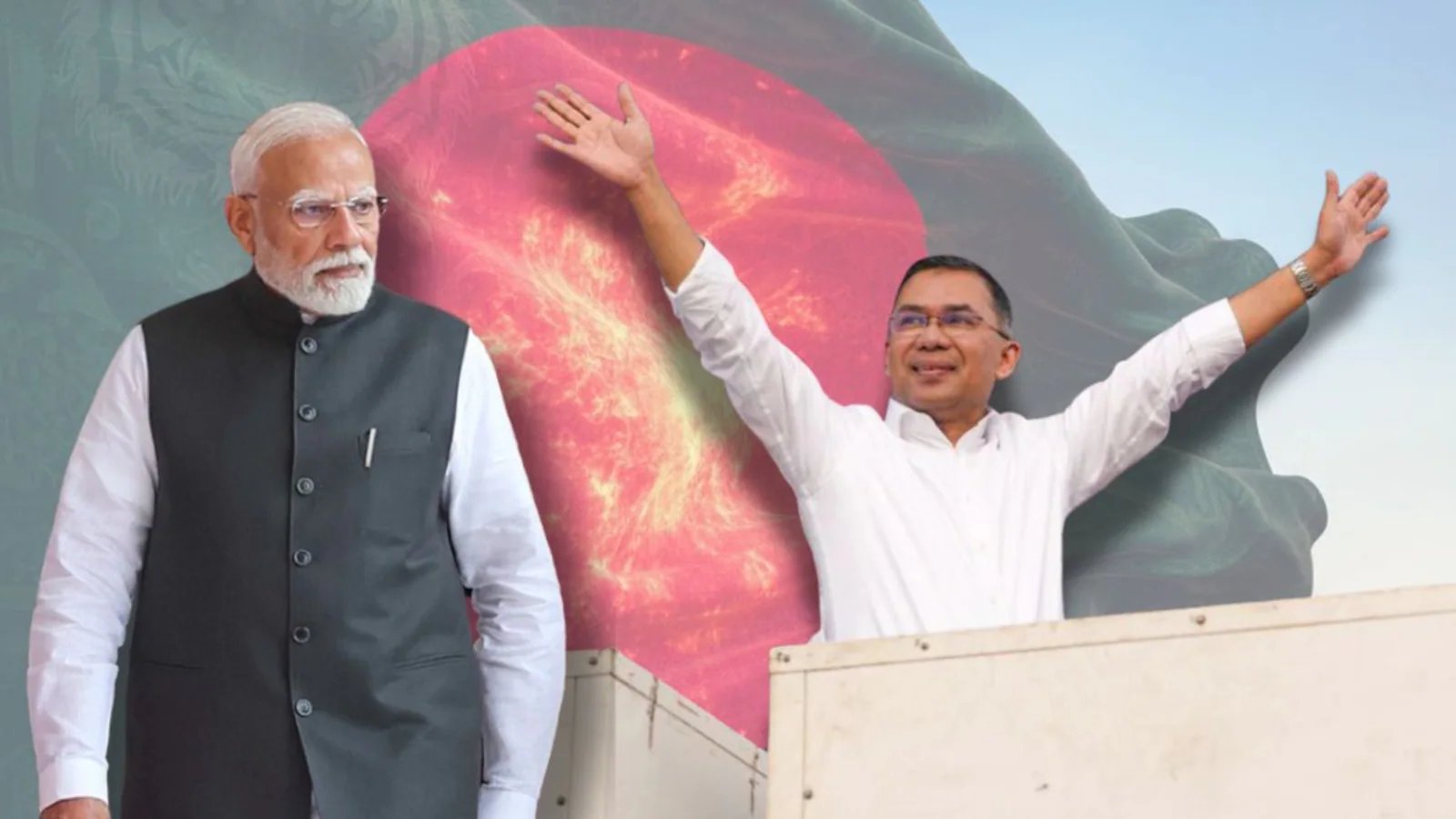
The diplomatic landscape between India and Bangladesh appears to be undergoing a period of recalibration. As Bangladesh Prime Minister Tarique Rahman prepares for his second international trip since taking office this past February, expectations of a formal bilateral visit to New Delhi remain unmet. While India stands as one of Bangladesh’s most vital neighbors, official channels confirm that no such visit is currently on the schedule, with high-level engagements unlikely to materialize before the Prime Minister’s travel to New York for the 81st session of the United Nations General Assembly (UNGA).
A Strategic ‘Reset’ of Bilateral Relations
The Ministry of External Affairs (MEA) in New Delhi has acknowledged extending two formal invitations to Prime Minister Rahman—one for a bilateral summit and another regarding the BRICS summit held in India, where Bangladesh participated in its capacity as the Chair of BIMSTEC. However, sources within the Indian government note that there has been no communication from Dhaka regarding these invitations.
The hesitation from the Bangladeshi side has been framed by officials as a deliberate move to prioritize the “resetting” of a strained relationship. Humaiun Kobir, Bangladesh’s State Minister for Foreign Affairs, emphasized that the previous 15-year period involved dealings with an administration that the current government views as deeply problematic.
“We want to build a new relationship with India,” Kobir explained. “We believe a dedicated bilateral visit is the appropriate medium for this, rather than conducting high-level talks through the margins of a multilateral forum.”
Focusing on the UNGA Agenda
Despite the absence of a visit to India, Prime Minister Rahman is set to make a significant impact at the 81st UNGA session, which coincides with the presidency of Bangladesh’s own Foreign Minister, Khalilur Rahman. The Prime Minister is expected to unveil a future vision for Bangladesh and leverage the international stage to keep the plight of Rohingya refugees at the forefront of global humanitarian discussions.
State Minister Kobir dismissed concerns that the lack of a bilateral visit suggests a cooling of relations, stating that the government is simply waiting for a “conducive” timeframe. He noted that while the primary goal of the New York trip is to address the UNGA, impromptu meetings with other world leaders—such as US President Donald Trump—could still occur, as is standard practice at such global summits.
Multilateral vs. Bilateral Diplomacy
The decision to skip the BRICS summit in New Delhi earlier this year remains a point of interest for regional observers. By opting out of that multilateral event, Dhaka signaled that it views its path toward mending ties with India as a sovereign, bilateral process.
As the 81st session of the UNGA gets underway under the theme, “Restoring trust, managing transformation: A United Nations that delivers for all,” the global community will be watching to see how Bangladesh positions itself. For now, the narrative from Dhaka is one of careful, calculated diplomacy, emphasizing that while “working relationships” with India are a priority, they must be established on terms that reflect the new political vision of the administration. Whether these two neighbors will finalize a meeting schedule in the coming months remains to be seen.
Disclaimer: This content is auto-generated for informational purposes only.
Source: Read Original News