









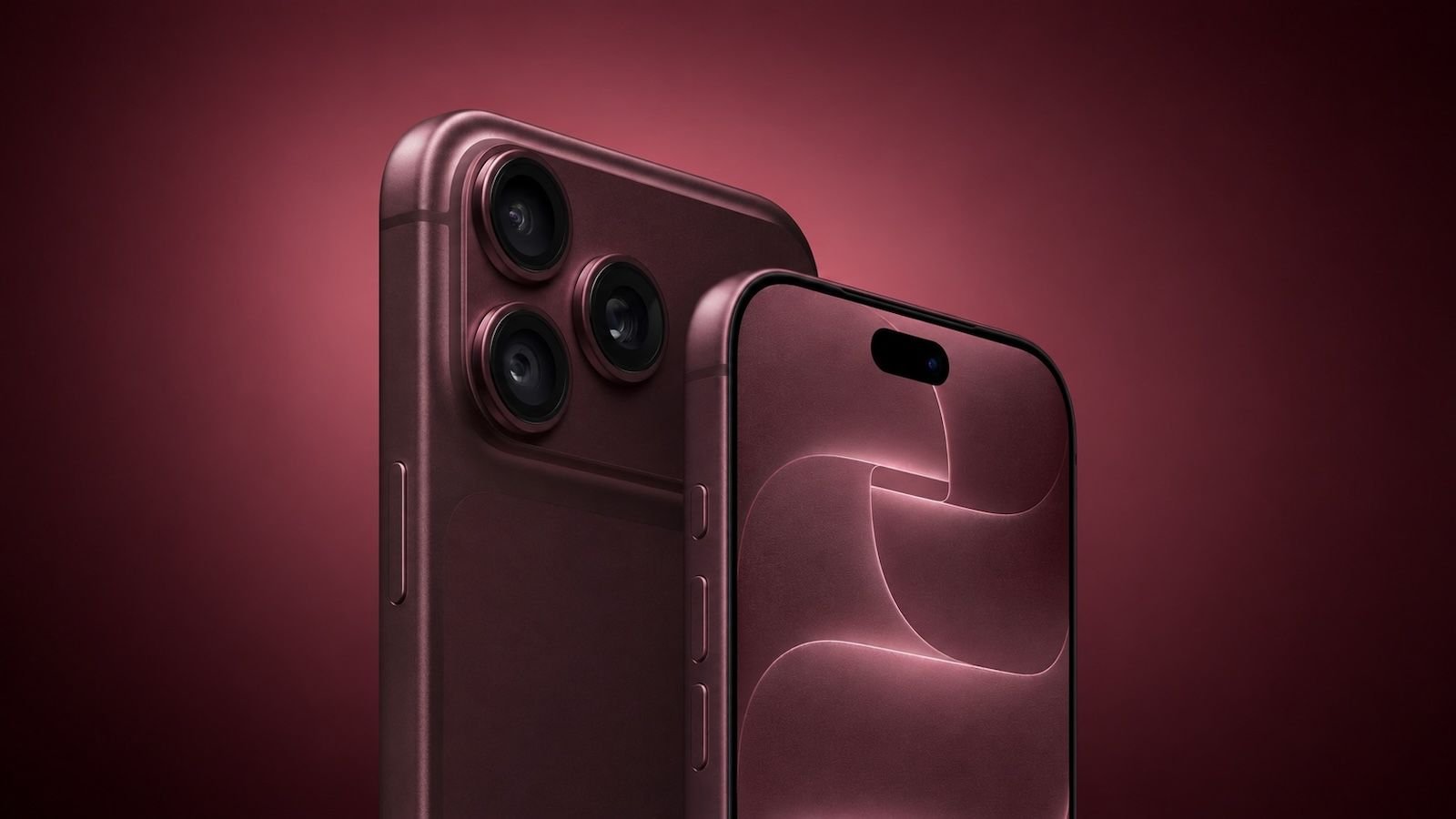
Market Reception and Initial Pre-order Data
The launch cycle for the Apple iPhone 18 Pro has encountered a hesitant start, according to recent supply chain analysis. Jeff Pu, an analyst with GF Securities, has highlighted that initial consumer demand for the latest Pro lineup is significantly lower than projected. Unlike previous years, where long shipping delays frequently characterized the first days of pre-orders, the iPhone 18 Pro is experiencing limited delivery wait times.
Current data indicates that while certain high-capacity models, such as the 512GB and 1TB versions of the iPhone 18 Pro Max, show a 3-to-4-week shipping window, the majority of the standard Pro configuration is available for immediate launch-day pickup. This shift suggests that the market is currently saturated or that consumers are prioritizing newer hardware concepts over iterative internal refreshes. Analysts believe this lukewarm reception is largely driven by a combination of limited hardware advancement and a challenging pricing structure that has pushed the high-end 2TB model to a retail cost of nearly $2,500.
Technological Constraints and Camera Innovation
A primary point of contention for both analysts and early adopters is the integration of the new variable aperture camera system. While this hardware represents a significant leap in mobile photography, allowing for physical mechanical adjustment of the lens opening to control depth of field and light intake, it has introduced substantial manufacturing complexities. Apple has reportedly faced challenges in scaling the production of these high-precision optical components.
These supply-side bottlenecks have forced a reduction in production estimates. Apple has recalibrated its manufacturing targets, lowering the expected output for the iPhone 18 Pro and Pro Max to approximately 72 million units for the current cycle. The complexity of the variable aperture module, which requires micron-level accuracy in the motor assembly, is the primary reason for these constraints. This shift not only limits immediate availability but serves as a indicator of the transition costs associated with moving from static lenses to more sophisticated, mechanical optical systems within the confined space of a smartphone chassis.
The Competitive Shift Toward the iPhone Duo
Beyond the Pro series, market focus is shifting toward the upcoming release of the iPhone Duo. As a foldable device, the Duo is positioned to capture a segment of the audience that is moving away from traditional glass-and-aluminum slab designs. Pre-orders for the Duo are scheduled to begin on October 16, with broader availability following shortly thereafter.
The pricing strategy for the Duo, starting at $1,999 and reaching up to $3,199 for the 2TB configuration, places it in a premium ultra-luxury category. However, the device is already impacting the sales lifecycle of the iPhone 18 Pro Max. Many consumers who would typically opt for the largest available Pro model are reportedly waiting to evaluate the mechanical hinge reliability and screen real estate of the foldable hardware. The shift in intent highlights a growing consumer preference for form factor innovation over the incremental processor and sensor upgrades found in the standard Pro lineup.
Manufacturing Hurdles and Hinge Integrity
Production difficulties are not confined to the camera systems. Apple has also revised its production targets for the iPhone Duo, lowering the 2026 build estimate from 7 million units to 6 million. Industry reports identify the structural design of the hinge as the primary source of these revisions. Designing a foldable mechanism that remains reliable across thousands of cycles while maintaining a thin profile remains the most difficult engineering challenge in the current mobile sector.
The hinge in the iPhone Duo utilizes a multi-link architecture intended to distribute stress across the flexible display panel. Achieving the necessary durability standards for mass production has proven to be a hurdle, directly impacting the launch volume. These manufacturing revisions indicate that Apple is prioritizing long-term hardware longevity over rapid market saturation, reflecting a cautious approach to the entry into the foldable segment.
Financial Implications and Analyst Outlook
For stakeholders and the financial sector, these developments provide a nuanced view of Apple’s current trajectory. GF Securities maintains a Hold rating on the company, accompanied by a price target of $369. This evaluation stems from the recognition that while Apple retains immense pricing power, the current product cycle is characterized by a “value versus innovation” gap. The high cost of entry, particularly for the 2TB storage tiers, is creating friction among traditional upgrade cycles.
The decline in anticipated demand, coupled with the production scaling issues, suggests that Apple is entering a period where hardware upgrades no longer guarantee immediate growth in unit volume. Instead, the company is pivoting toward higher average selling prices to maintain margins despite lower overall shipment numbers. As the market looks toward the second half of 2026, the success of the iPhone Duo launch will likely determine the overall success of the year’s fiscal strategy. The ability to solve the hinge and camera manufacturing bottlenecks will be the deciding factor in whether the current production estimates hold or require further downward adjustments.
Disclaimer: This content is auto-generated for informational purposes only.
Source: Read Original News