







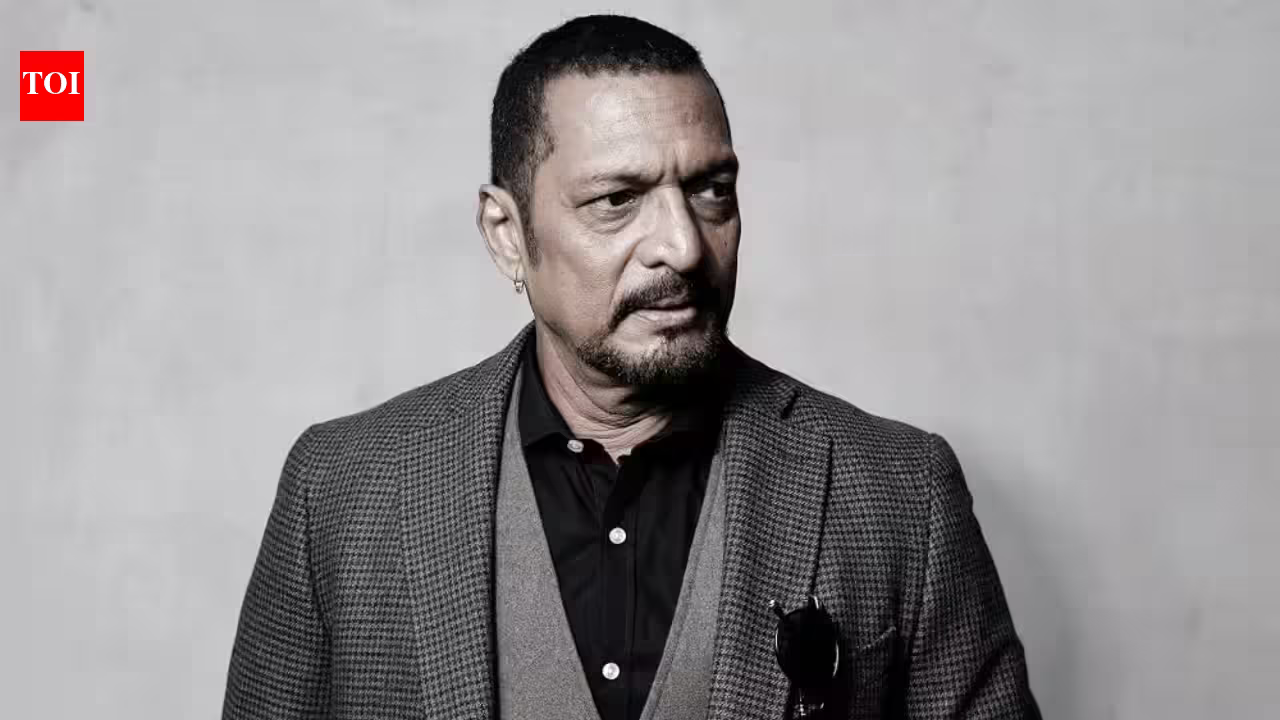
The Enigma Behind the Outbursts: Unmasking Nana Patekar
In the polished, often superficial corridors of Bollywood, reputation is currency. And for decades, Nana Patekar has been the industry’s most complicated stock. To the casual observer, he is the mercurial veteran—a man whose legacy is defined as much by his volcanic temper and headline-grabbing altercations as it is by his searing, National Award-winning performances. The stories of his on-set clashes, most notably the infamous friction with filmmaker Vidhu Vinod Chopra during the making of the 1989 cult classic Parinda, have calcified into legend.
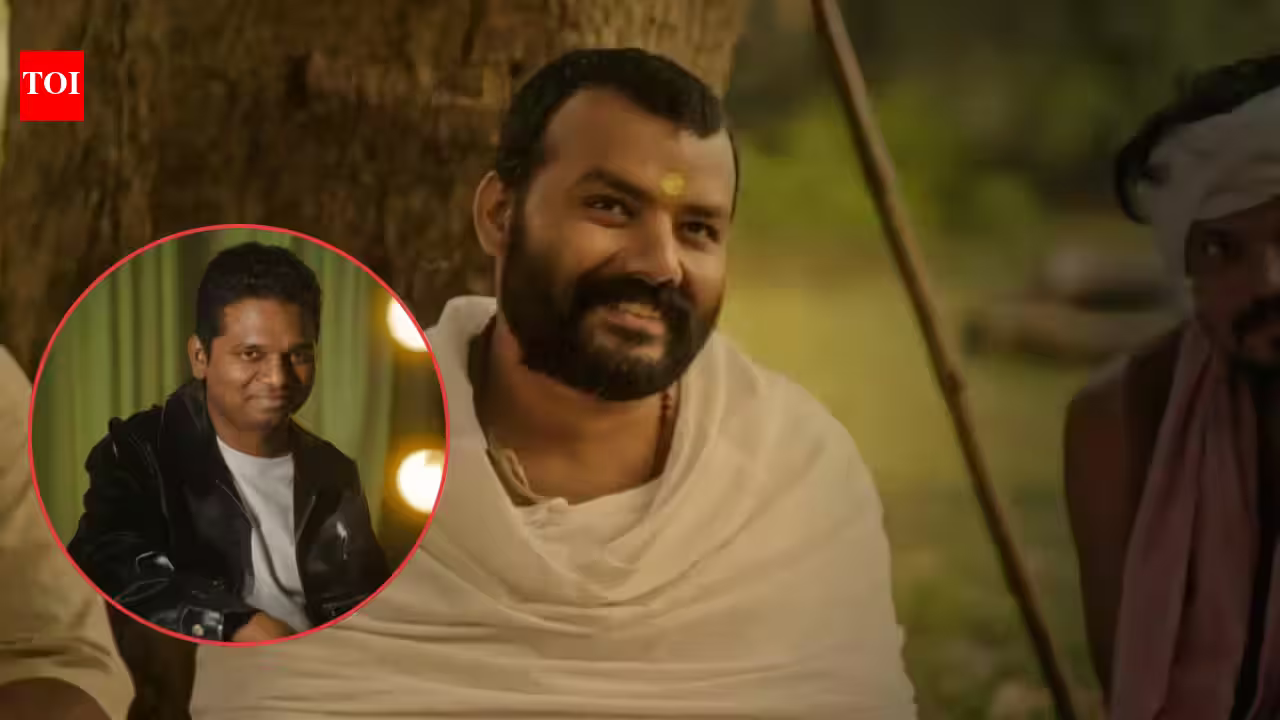
But as the old adage goes, the loudest stories aren’t always the most accurate. Lately, a different narrative has begun to emerge, pushed by those who have shared the trenches of production with the actor. Recently, screenwriter Ranbir Pushp, who penned the 1996 psychological thriller Agni Sakshi, stepped forward to challenge the long-standing “angry man” archetype that has shadowed Patekar. According to Pushp, we haven’t been witnessing malice; we’ve been witnessing a man whose intensity is perpetually misread by an industry that prefers its stars palatable rather than principled.
Beyond the Rage: Empathy in Action
If you listen to the industry gossip, Nana Patekar is a liability, a loose cannon who costs producers their peace of mind. But Pushp offers a compelling counter-narrative, anchored not in abstract defense, but in documented reality. The most striking example involves a moment of profound personal sacrifice that sits in stark contrast to the stereotype of the entitled, high-living movie star.
Years ago, at the height of the agrarian crisis, Patekar was reportedly weighing a personal indulgence—the purchase of a luxury car priced at a staggering Rs 1.5 crore. It is a purchase typical for a man of his stature and success. Yet, moved by the harrowing accounts of farmer suicides that were devastating rural India, Patekar did the unthinkable: he abandoned the purchase entirely. Instead of a garage upgrade, he funneled the entire sum into the lives of the grieving, directing a friend to distribute the money—Rs 15 lakh per family—to those left behind by the tragedy.
“The one who wipes the farmers’ tears can’t cause harm to anyone,” Pushp noted in a recent interview. It is a sentiment that brings a sharp focus to the actor’s post-stardom life. Patekar hasn’t just donated funds; he founded the NAAM Foundation, an organization that has become a vital lifeline for thousands of families. To see him not in a high-rise, but living simply on a farm, is to understand that his “anger” might actually be a manifestation of a man who is deeply, almost painfully, invested in the state of the world around him.
The Bottle Incident: Guidance or Aggression?
The perception of Patekar as a “difficult” man often stems from his lack of patience for societal apathy. Pushp shared an anecdote that perfectly captures this friction. While driving, Patekar witnessed a fellow motorist casually toss a plastic bottle out of a car window. Rather than ignoring the transgression—as most might—Patekar forced a confrontation. He tracked the driver down at a traffic signal and demanded an explanation.
It wasn’t a random outburst. Patekar, ever the dramatist, pointed to a nearby hoarding featuring Mahatma Gandhi and the Swachh Bharat Abhiyan slogan. He didn’t just berate the driver; he challenged his civic existence. “Who will keep Bharat swachh? Gandhi ji is gone, but you’re still around on this planet,” he reportedly told the bewildered motorist. When the driver failed to respond, Patekar gestured to a truck in front of them bearing the words “Mera Bharat Mahan.” His retort was biting: “My Bharat isn’t great. It’s concerned because of people like you.”
To the casual onlooker, this is a man losing his temper. To Pushp, it is something else entirely. “You can call it anger,” the writer mused, “but you can also call it guidance.” It is a poignant distinction. Patekar acts as a self-appointed conscience, a role that rarely earns one popularity in a culture that prizes “minding one’s own business.”
The Agni Sakshi Chronicles and the Koirala Connection
Naturally, when discussing the career of a man as enigmatic as Patekar, the conversation eventually turns to his personal life—specifically his highly scrutinized association with co-star Manisha Koirala. The two, who shared an undeniable screen chemistry, were the subject of rampant speculation in the mid-90s, particularly following their work in Khamoshi: The Musical, Agni Sakshi, and Yugpurush.
Pushp, having observed them on the sets of Agni Sakshi, remains diplomatic but evocative. “There was something,” he admitted, though he was quick to qualify that he couldn’t definitively label the dynamic as a romance or a profound platonic bond. “God knows if it was friendship or romance. But both were close. They had a mutual understanding. They discussed scenes before performing.”
For a screenwriter, the professional connection was the most visible part. He noted that their ability to sync up during complex, intense scenes was a testament to their mutual respect as artists. While the media machine of the late 90s churned out headlines about their private lives, Pushp maintains that, from his perspective, it was a working relationship defined by deep intellectual and emotional synergy. He never felt the need to pry, opting instead to focus on the work itself.
The Final Verdict: Understanding the Man
At the end of the day, the image of Nana Patekar as a cinematic villain off-camera feels increasingly like a relic of a time when the industry misunderstood intensity for instability. When an actor is as uncompromising as Patekar, they are bound to clash with the status quo.
Whether he is screaming at a litterer or quietly financing the lives of farmers, his actions are driven by a singular, unyielding moral compass. Perhaps the “fiery temper” isn’t a flaw in his character, but a feature of it—a symptom of a man who refuses to be indifferent in a world that thrives on it. In an industry of masks and carefully curated public personas, Nana Patekar remains, for better or worse, entirely, unapologetically himself. And maybe, in a world of sanitized celebrity, that is exactly what we need.
Disclaimer: This content is auto-generated for informational purposes only.
Source: Read Original News