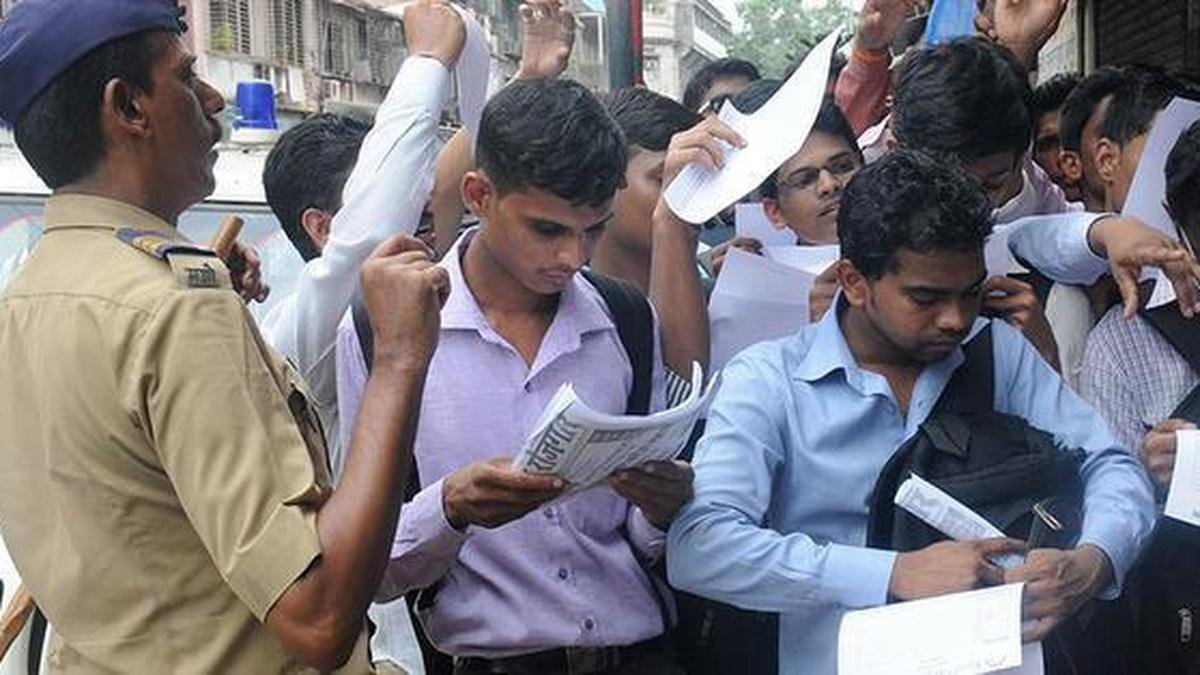









Navigating the complexities of modern education requires a strategic blend of academic foresight, technical upskilling, and adaptability. As the professional landscape evolves, students and parents alike are questioning traditional paths and seeking ways to align their educational journeys with future-ready careers. Here are key insights into managing academic transitions, leveraging digital certifications, and choosing future-proof domains.
Strategic Shifts: Balancing Academic Burnout and Career Goals
For students like Yukti, who find themselves exhausted by the theory-heavy nature of Humanities, the transition to more quantitative fields like Economics requires careful consideration of one’s affinity for Mathematics. If your goal is to clear the Common Admission Test (CAT), subjects like Economics can provide a competitive edge in Quantitative Aptitude and Data Interpretation.
However, under the National Education Policy (NEP) 2020, students are no longer confined to rigid academic structures. Many universities now offer the flexibility to exit after one or two years with a certificate or diploma, or to incorporate minors in Statistics, Psychology, or Economics. The key is to prioritize maintaining a strong CGPA—ideally above 75–80%—as it remains a vital metric for MBA admissions and corporate shortlisting.
Leveraging Distance Learning in the Tech Era
The misconception that big-tech companies only hire through on-campus recruitment is rapidly fading. As Deepak’s query highlights, professionals pursuing distance learning—provided it is from a UGC-DEB (University Grants Commission – Distance Education Bureau) approved institution—can compete effectively in the open market.
To transition into technology roles from a non-traditional background, the focus must shift from the degree title to a portfolio of skills. Integrating practical experience with specialized certifications from platforms like Coursera is essential. Candidates should focus on building a robust technical foundation in SQL, Python, R, and Data Structures and Algorithms (DSA). By utilizing job portals like Instahyre and LinkedIn, and participating in entry-level hiring drives like TCS iON NQT, candidates can bridge the gap between their academic credentials and industry requirements.
Future-Proofing for the Next Generation
Parents like Bhawya, concerned about job stability in an era of automation, should shift their focus toward interdisciplinary domains. Rather than chasing traditional roles, students should look toward fields that combine domain expertise with human-centric problem solving.
Promising interdisciplinary paths include:
- Climate Economy & Sustainability Engineering: Addressing the global transition to green energy.
- Computational Biology & Bioinformatics: Integrating biological research with advanced computing.
- Techno-Legal Compliance & Cyber Law: Bridging the gap between rapid technological adoption and regulatory frameworks.
The most resilient careers of the future will be those that require high-level critical thinking and human empathy, areas where AI and automation have yet to gain a significant foothold.
The Intersection of Medicine and Management
For medical students aspiring to move into entrepreneurship, the synergy between clinical knowledge and business management is a powerful differentiator. The healthcare sector is increasingly reliant on AI-driven diagnostics, tele-health, and digital therapeutics.
Rather than viewing an MBA as the only pathway, aspiring healthcare entrepreneurs should explore specialized opportunities. These include:
- Bio-Design Fellowships: Programs at institutions like IIT Delhi or IIT Hyderabad that teach students to identify clinical bottlenecks and develop technical solutions.
- Master’s in Public Health (MPH) or Healthcare Administration (MHA): Programs offered at premier institutions like TISS-Mumbai provide deep insights into policy and procurement, which are vital for leadership roles.
Ultimately, whether you are in your first year of college or planning for the next decade, the common thread for success remains the same: remain curious, build multidisciplinary networks, and ensure that your academic path leaves room for the practical skills the modern economy demands.
Disclaimer: This information is intended for guidance purposes only. Career decisions should be based on personal research, interest, and specific institutional requirements.
Disclaimer: This content is auto-generated for informational purposes only.
Source: Read Original News