








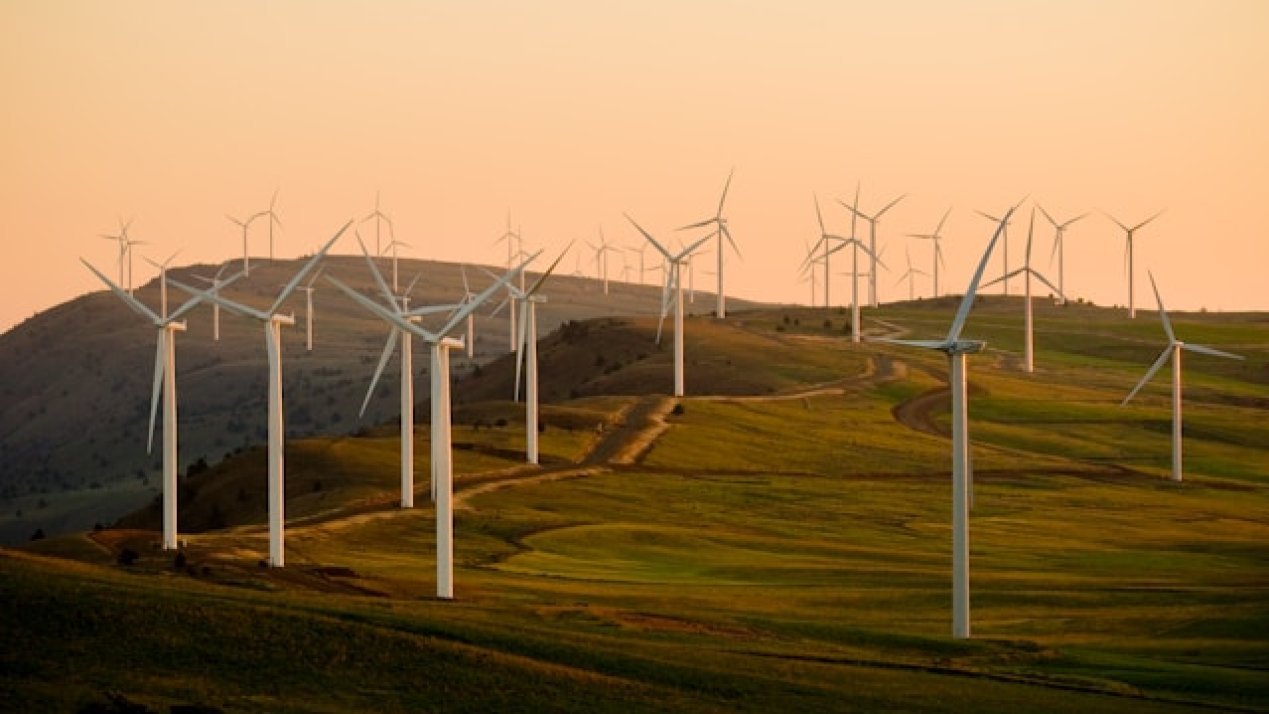
Wind energy is emerging as a critical component in Mexico’s strategy to bolster grid stability, with new data revealing that output climbs by over 17% during the late afternoon and early evening hours. This performance aligns perfectly with the country’s surging demand, offering a potential solution to the operational bottlenecks created by the nation’s 55% dependence on imported natural gas.
According to a study by Denmark-based turbine manufacturer Vestas, policymakers and grid operators must rethink how they categorize renewable energy. Rather than grouping all variable sources under a generic “intermittency” label, the report argues that planners should prioritize how specific generation profiles—such as wind’s natural evening uptick—match the realities of a modern, industrialized power grid.
## Shifting from Capacity to Strategic Alignment
For years, the debate surrounding renewable energy has focused almost exclusively on aggregate output—the total gigawatts a project can produce on paper. However, as Mexico navigates the challenges of rapid industrial growth, the rise of data centers, and an electrification wave fueled by nearshoring, this perspective is shifting.
Mehdi Hadbi, Country Manager of Vestas Mexico, notes that the conversation has evolved toward “system needs.” Because solar energy typically peaks at midday, it often creates a “duck curve”—a phenomenon seen in markets like California and Brazil where excess supply at noon is followed by a sharp deficit as the sun sets. By integrating wind energy, which scales up as demand climbs toward the 15:00 to 19:00 peak, grid operators can effectively offset the need for thermal generation and fossil-fuel-heavy peaker plants. This synergy is crucial for building a resilient infrastructure that can accommodate high-intensity industrial users without sacrificing reliability.
## Navigating the Regulatory and Infrastructure Landscape
Despite the operational advantages, the Mexican wind sector has navigated a complex regulatory environment. Data from the Mexican Association of Wind Energy (AMDEE) indicates that by the end of 2024, the country was host to 74 wind farms with an installed capacity of 7,782MW. While these assets provided over 19TWh of electricity in 2024, the industry has faced headwinds, including stalled projects and delayed permits.
The tide appears to be turning with the implementation of the federal Energy Sector Program 2025–2030. The government has signaled a commitment to integrating cleaner energy sources, greenlighting new permits for projects like Eólica Dzilam and Eólica del Rocío. This move is part of a broader US$4.75 billion investment pipeline intended to help Mexico reach its goal of 38% clean energy production by 2030.
## The Role of Tech and Grid Intelligence
As the energy sector becomes increasingly digitized, the integration of these wind assets relies heavily on advanced grid management systems. Similar to how cloud-based AI tools and sophisticated load-balancing software help tech giants manage data center power consumption, Mexican grid operators are increasingly looking toward digital optimization.
Managing a variable grid is no longer a matter of simply adding more generation; it requires intelligent forecasting. By using predictive analytics to monitor wind speed patterns alongside real-time industrial demand, regulators can better coordinate the output of wind, solar, and hydroelectric assets. This transition marks a departure from rigid, top-down power management toward a more responsive, tech-driven network. As Mexico continues to modernize its grid, the ability to balance these complementary technologies will be the defining factor in whether the nation meets its ambitious clean energy targets while maintaining the stability required for a growing, competitive economy.
Disclaimer: This content is auto-generated for informational purposes only.
Source: Read Original News