








Analyzing India’s Robust Export Performance in August 2026
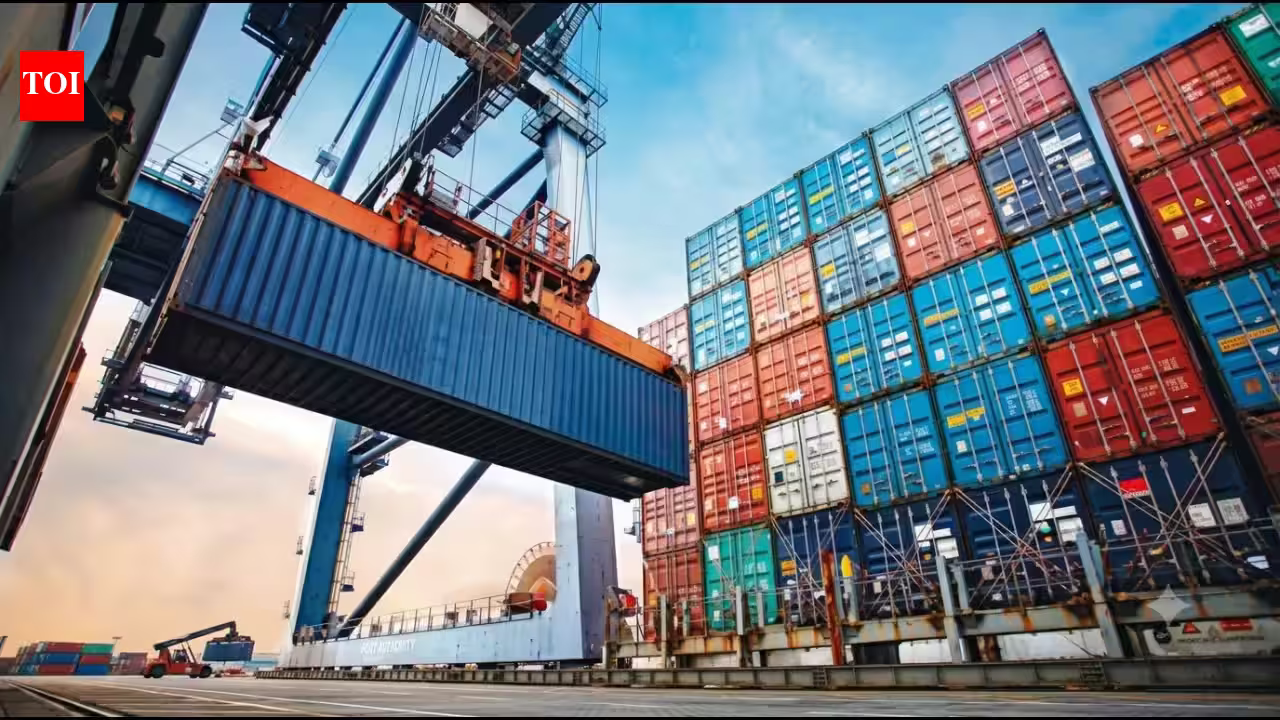
India’s merchandise trade data for August 2026 reflects a period of significant dynamism, characterized by double-digit growth in exports and a notable expansion in imports. The reported 26.12% year-on-year increase in total merchandise exports to $43.81 billion represents the highest monthly growth rate since June 2022. This surge, primarily fueled by the electronics, engineering, and petroleum sectors, signals an underlying strength in India’s manufacturing ecosystem, even as global macroeconomic conditions remain complex.
The trade dynamics are particularly compelling when looking at key bilateral relationships. Despite the introduction of a 10% tariff on Indian goods by the United States in July 2026, exports to the US continued to climb, rising 21.83% in August. This resilience suggests that Indian exporters are navigating tariff hurdles with significant agility, or that the demand for Indian-manufactured components and finished goods in the US remains relatively price-insensitive. Concurrently, trade with China has seen an even more pronounced shift, with export shipments to the region jumping by over 52%, highlighting a shift in supply chain flows and sectoral demand between the two nations.
The Resilience of Indo-US Trade Amid Tariff Pressures
The relationship between India and the US remains a cornerstone of India’s foreign trade policy. The data for August 2026 reveals that while the US has implemented protective trade measures, the structural demand for Indian goods has not been suppressed. The $8.4 billion in exports to the US for the month serves as a testament to the deepening integration of Indian manufacturing in the American value chain.
However, the trade balance is shifting. India’s imports from the US spiked by nearly 66% to $5.97 billion in August. This rapid rise in inbound shipments indicates that Indian industries are increasingly reliant on US-sourced technology, critical components, and project-related inputs to sustain their own domestic production capacities. As both nations continue to negotiate a formal trade pact, the current data suggests that the partnership is characterized by a high volume of reciprocal dependence rather than a simple seller-buyer dynamic. The challenge for policymakers will be to balance this surge in inbound demand with the continued push for “Make in India” initiatives, ensuring that imports facilitate domestic growth rather than displace local industrial efforts.
Regional Diversification and the Singapore Surge
Beyond the major economic powers of the US and China, the August trade data highlights a sharp diversification in Indian export destinations. The 160.96% increase in exports to Singapore—amounting to $1.9 billion—is an outlier that demands closer scrutiny. This massive jump suggests that Singapore may be functioning not just as an end-market, but as a strategic transshipment hub for Indian goods reaching broader Southeast Asian and global markets.
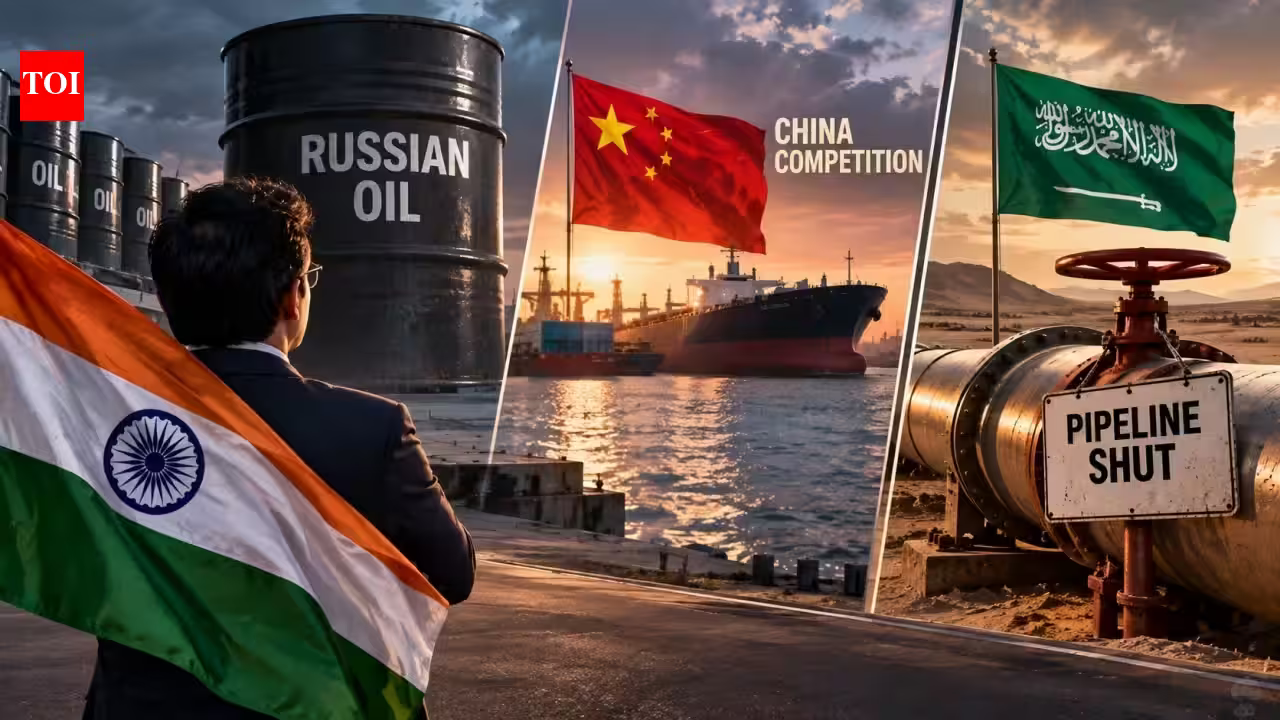
While this regional growth is promising, the data also serves as a warning regarding the vulnerability of trade routes to geopolitical instability. The 26.1% decline in exports to the UAE, attributed by the commerce ministry to the ongoing crisis in West Asia, illustrates how quickly regional volatility can impact India’s export targets. The loss of market share in the Middle East, while partially offset by gains in other regions, highlights the necessity for India to maintain a diversified portfolio of trade partners. Reliance on specific corridors remains a risk factor, and the performance in August underscores the importance of the government’s push to explore emerging markets in Africa and Oceania, where growth remains positive.
Structural Shifts in the Import Basket
The rise in India’s imports, which reached $70.76 billion in August, tells a story of an economy in the midst of an industrial expansion. The 14.1% increase in overall imports is driven largely by capital goods and critical inputs. Specifically, the massive surge in project goods—up over 377%—and a 53% increase in electronic goods imports point to heavy investment in domestic infrastructure and manufacturing facilities.
From an analytical perspective, this is a healthy indicator. Imports of crude oil also rose by 37.28%, reaching $16 billion. This is a direct consequence of rising domestic energy requirements as factories scale up production and internal consumption grows. The strategic decision to increase these imports suggests that the Indian industry is prioritizing capacity building. By importing coal, coke, and electronic components, the nation is essentially fueling its long-term export potential. The reduction in gold imports by over 57% further serves as a stabilizer, helping to narrow the merchandise trade deficit to a five-month low of $26.86 billion, which is a positive signal for the stability of the rupee and the broader macroeconomic framework.
Sectoral Drivers and the Future of Manufacturing
The composition of India’s export growth provides a blueprint for the country’s industrial policy over the next several years. The 90% growth in electronics exports is perhaps the most significant data point, reflecting the success of Production Linked Incentive (PLI) schemes and the global “China-plus-one” strategy, which has benefited India immensely. Engineering goods, which rose by 25%, and petroleum products, which climbed by 63%, confirm that India is moving up the value chain from basic raw material exports to more complex, value-added manufacturing.
Commerce and Industry Minister Piyush Goyal’s assessment—that these figures affirm the competitiveness of India’s manufacturing ecosystem—aligns with the observed data. The “building up” of export momentum, as noted by the Commerce Secretary, suggests that August is not an anomaly but part of a sustained upward trajectory. To maintain this pace, the focus must now shift toward logistics efficiency, reducing the cost of doing business, and ensuring that the surge in imports of capital goods is converted into high-quality, globally competitive output.
Conclusion: Navigating Global Trade Volatility
As India closes the first five months of the fiscal year with a merchandise export growth of 17.85%, the broader narrative is one of adaptation and resilience. The ability to increase shipments to the US despite tariffs, while simultaneously absorbing a higher volume of imports to support domestic production, demonstrates a maturing trade strategy.
Moving forward, the primary focus for Indian policymakers should remain on the stability of supply chains and the containment of the trade deficit. While the current narrowing of the deficit is a welcome development, the total import bill of $363 billion for the April-August period indicates a high level of vulnerability to global commodity price fluctuations. By continuing to incentivize high-tech manufacturing and diversifying export markets, India is well-positioned to maintain its competitive advantage. The August data, therefore, is not merely a collection of statistics; it is a clear indicator that India is increasingly becoming a central node in global manufacturing and trade.
Disclaimer: This content is auto-generated for informational purposes only.
Source: Read Original News