






Northern Ireland’s aquaculture sector is at a critical juncture, with industry leaders warning that proposed legislative changes risk stifling growth rather than fostering the sustainable development of the region’s fish and shellfish farming.
During a recent evidence session at Stormont, representatives from Aquaculture NI addressed the AERA committee regarding the Fisheries, Aquaculture and Water Environment Bill. Currently, the sector supports over 80 jobs and generates approximately £13 million annually through the production of 4,000 tonnes of food. However, industry stakeholders argue that these figures fail to reflect the sector’s true potential, which they believe is being hampered by regulatory stagnation and a lack of clear government policy.
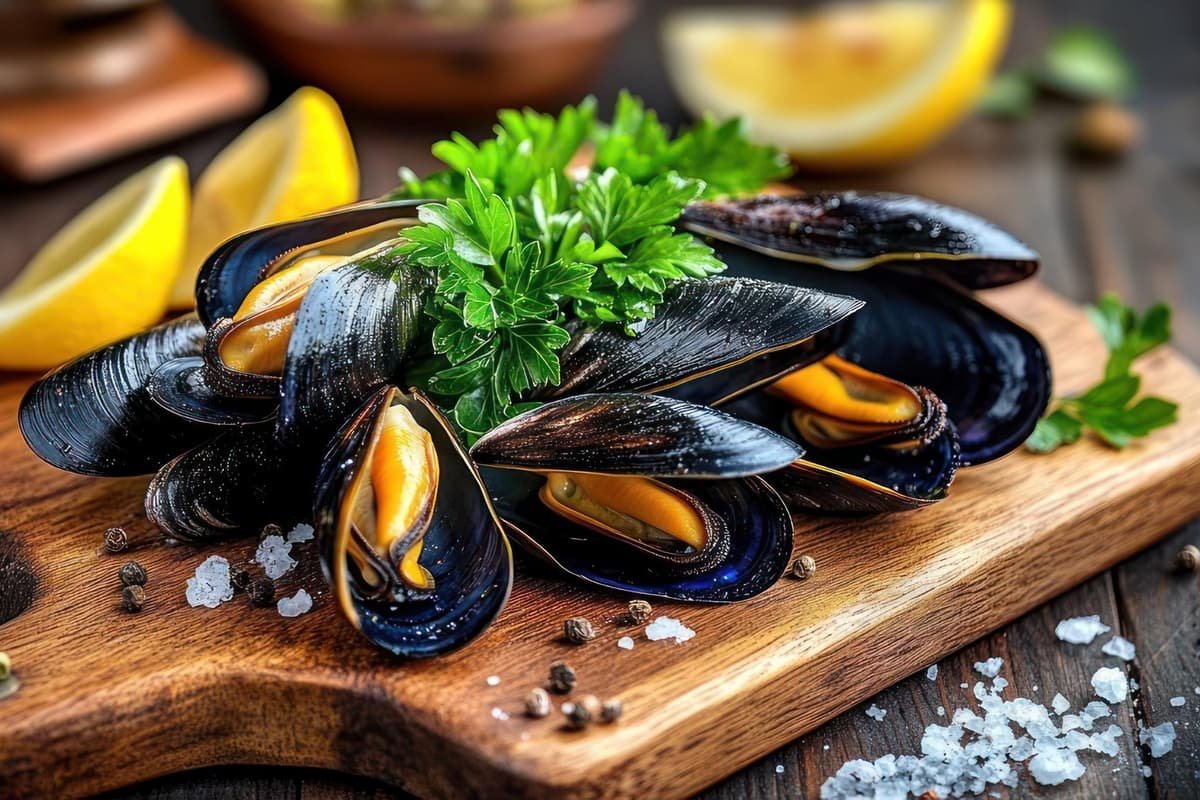
Rod Cappell, representing Aquaculture NI, highlighted that recent production volumes have dipped, largely due to a decline in mussel tonnage. He expressed deep concern that the Department of Agriculture, Environment and Rural Affairs (DAERA) continues to regulate the industry in a piecemeal fashion, creating a disproportionate burden on farmers.
“We hoped this once-in-a-generation bill would help address the problems by providing legislation fit for purpose,” Cappell told the committee. “Instead, producers believe it will worsen the situation. The bill repeatedly seeks to manage the negative impacts of fish and aquaculture activities, yet shellfish and seaweed farming have proven positive ecosystem benefits, and that should be actively encouraged.”
The criticism was echoed by Bram Verwijs, an industry expert with extensive experience in international shellfish operations. Verwijs, who manages a Northern Irish operation established in 1990, argued that the region could realistically increase annual mussel production to 15,000 tonnes—more than ten times the recent average—if the regulatory environment were improved.
A significant point of contention is the collapse of the local mussel seed supply. Ten years ago, the industry relied on a domestic supply of seed, but this has since become effectively non-existent. Without a reliable local source, farmers have been forced to rely on imports, leaving them vulnerable to shifts in export policy, fishing access, and logistical risks.
Verwijs pointed to “floating mussel seed collectors” as a proven, low-impact solution that would allow farmers to gather seed directly from the water column, potentially eliminating the need to harvest from wild seed beds. Despite encouragement from various government policymakers to pursue this technology, the industry remains trapped in a cycle of endless trials and stalled licensing. “It is difficult to understand and deeply frustrating that after four years of licensing discussions, there is still no clear path to commercial operations,” Verwijs noted.
Industry leaders are now calling for a fundamental shift in how the bill is structured. They argue that while the legislation mandates an inland fishery policy statement, it completely neglects the need for an equivalent aquaculture development policy. They are urging the AERA committee to ensure the final bill mandates the implementation of an agriculture development policy statement that includes measurable objectives for the marine and freshwater sectors.
Central to these demands is a call for greater accountability within DAERA. Farmers are seeking clear timescales for licensing decisions, adequate resourcing, and a formal commitment to enabling sustainable growth.
“We support robust environmental assessments and proportionate regulation,” said Verwijs. “We also need DAERA to take responsibility for enabling sustainable development. Northern Ireland has the ground, the expertise, and the businesses willing to invest. This bill must help turn its potential into production, jobs, and environmental benefits.”
As the AERA committee continues to take evidence, the message from the aquaculture industry remains clear: without a legislative framework that treats seaweed and shellfish farming as a positive contributor to the environment and the economy, Northern Ireland risks missing a vital opportunity for coastal investment and long-term sustainable growth.
Disclaimer: This content is auto-generated for informational purposes only.
Source: Read Original News