








Diplomatic Standoff: India’s Silence on Bangladesh’s New Envoy Choice Signals Ongoing Friction
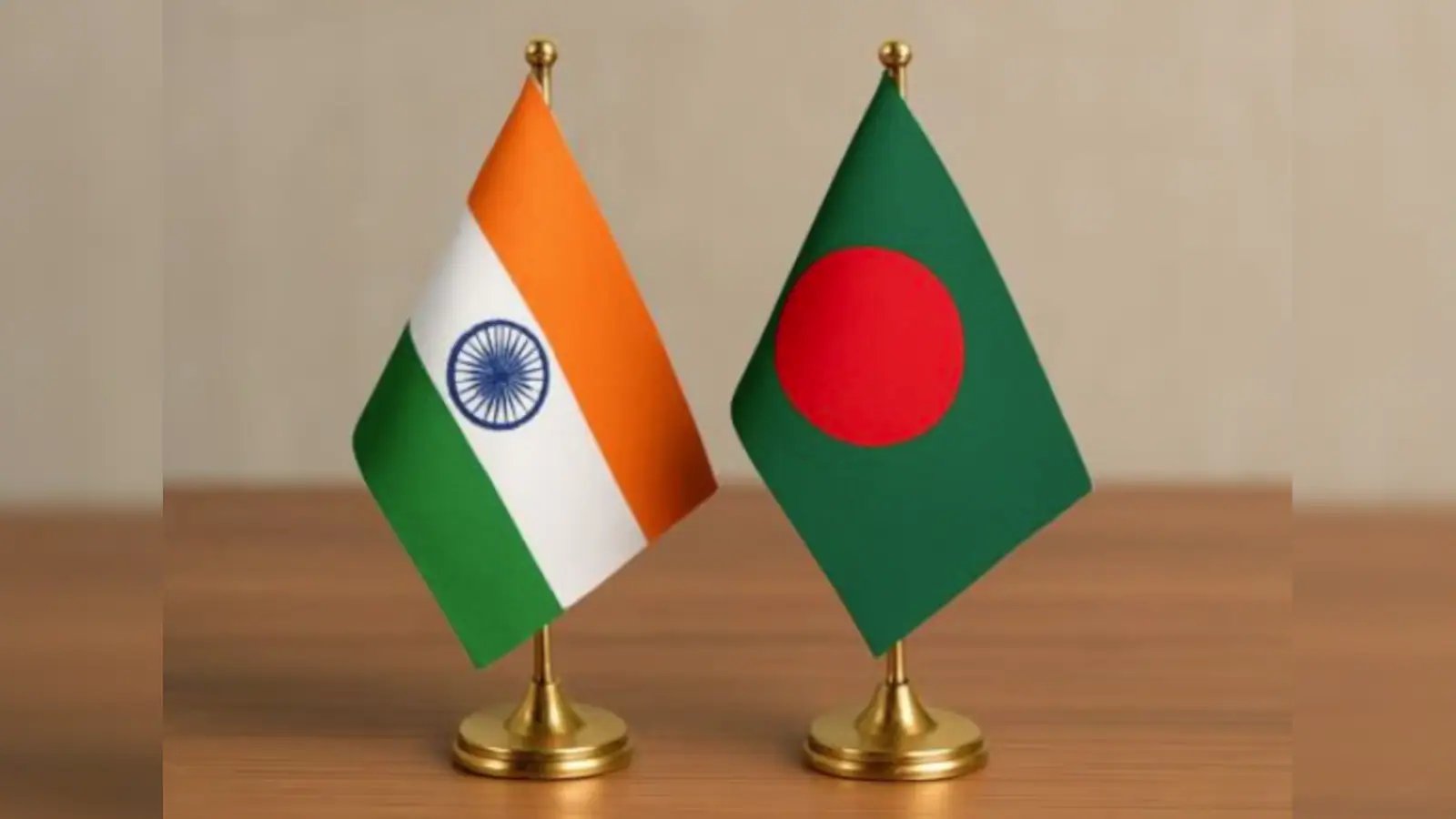
For more than a month, the corridors of power in New Delhi have remained silent regarding the nomination of Bangladesh’s next High Commissioner. While the bureaucratic machinery of the two neighbors continues to function at the technical level, this uncharacteristic delay in granting an “agreement”—the formal consent required for a new diplomatic head—highlights the cooling of a once-dynamic bilateral relationship.
Dhaka has put forward Foreign Secretary Asad Alam Siam for the prestigious post in New Delhi. A seasoned career diplomat who assumed his current role under the interim administration of Muhammad Yunus, Siam is a figure of considerable weight, having previously served as Bangladesh’s ambassador to Washington. Yet, without India’s formal sign-off, his appointment remains in limbo, complicating the transition as the current High Commissioner, M. Riaz Hamidullah, prepares to depart for a new assignment in Geneva this October.
The Mechanics of Diplomatic Approval
Under the protocols established by the Vienna Convention on Diplomatic Relations, the host nation reserves the right to accept or reject an envoy without the burden of providing a justification. Silence, in the realm of international relations, is often a deliberate, albeit quiet, form of messaging.
While most nations prefer to resolve these appointments behind closed doors to avoid public speculation, the current duration of India’s silence is difficult to overlook. It serves as a potent reminder of the underlying tension that has persisted since the political upheaval in Bangladesh in August 2024.
A Cooling of High-Level Engagement
The recent frostiness in relations stands in stark contrast to the brief period of optimism that followed the assumption of power by the current leadership. Expectations that the two nations would reset their strategic priorities have largely been eclipsed by a series of missed opportunities and diplomatic snubs.
Tarique Rahman, currently at the helm in Dhaka, was scheduled to visit New Delhi in August, but the trip was abruptly called off. This was followed by a no-show at the BRICS Leaders’ Summit in New Delhi, where Rahman had been invited in his capacity as the chair of BIMSTEC. The absence of a high-level representative from Bangladesh at such a significant regional gathering was widely viewed as a signal of the current distance between the two capitals. Furthermore, the presence of former Prime Minister Sheikh Hasina in India remains a significant point of contention, casting a long shadow over bilateral deliberations.
Stability at the Grassroots, Tension at the Top
Despite the political impasse, the foundational elements of the India-Bangladesh relationship are far from dormant. Cooperation persists through lower-level channels, with recent sessions in Dhaka dedicated to ironing out the complexities of cross-border railway operations. A variety of technical working groups, re-energized over the past seven months, continue to facilitate dialogue on practical matters.
India has also attempted to demonstrate its commitment to the relationship through its own appointments. By elevating the role of its High Commissioner to Dhaka—currently held by former Union Minister Dinesh Trivedi—to a Cabinet-level rank, New Delhi has signaled that it continues to view the partnership with Bangladesh as a priority.
However, the political reality is far more fragmented. The perceived tilt of the current interim government toward other regional powers has exacerbated existing mistrust. As the window closes on the departure of the current Bangladeshi High Commissioner, the continued delay in approving a successor underscores a fundamental truth: while technical ties may keep the wheels of daily cooperation turning, the high-level political alignment required for a robust partnership remains stuck in a cycle of hesitation and uncertainty.
Disclaimer: This content is auto-generated for informational purposes only.
Source: Read Original News