








After nearly two decades of climate-centric policy, the political landscape in the United States is shifting. Recent polling data suggests that the “climate hawk” era—a period defined by alarmist rhetoric and institutional prioritization of carbon-reduction targets—is losing its grip on the electorate. With even Democratic voters increasingly ranking climate change lower than kitchen-table issues like inflation and healthcare costs, a vacuum has emerged, presenting a significant opportunity for conservative policymakers to redefine the American environmental agenda.
Critics of the previous era argue that environmentalism became trapped in abstractions. Concepts like “parts per million” or long-term climate models often failed to resonate with the average household, while policy implementation—manifesting as carbon taxes, mandates on consumer goods, or bans on gas stoves—was perceived as an imposition of personal costs. Furthermore, many environmental advocates found themselves in a contradictory position, frequently blocking projects like emissions-free nuclear plants, forest management initiatives, and natural gas infrastructure, all of which arguably hampered environmental progress.
The path forward, according to proponents of a new approach, lies in “abundance conservation.” This framework suggests that the classic American instinct for conservation—protecting clean air, clean water, and public lands—remains robust and broadly popular. Polling indicates that over 80% of voters support an agenda organized around these tangible priorities. By shifting the focus from impersonal climate models to the stewardship of local places, conservatives aim to align environmental policy with the traditional values of intergenerational responsibility and wise use.
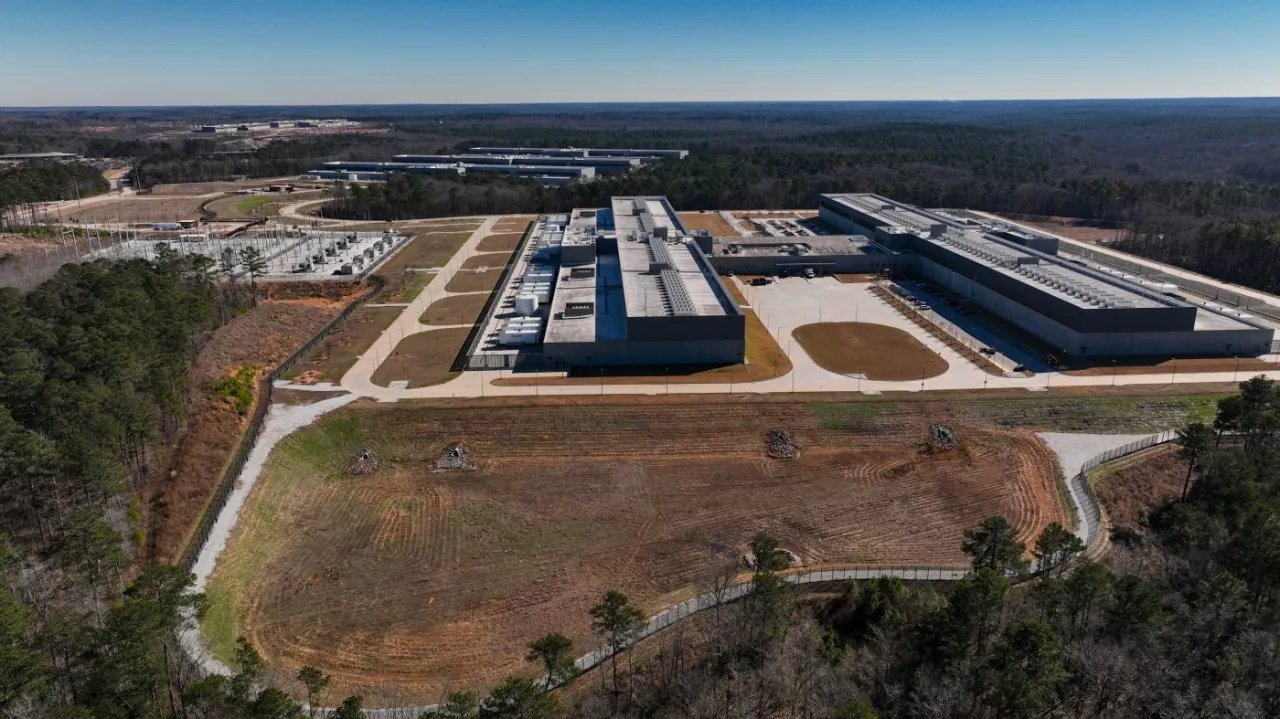
At the core of this philosophy is the rejection of the idea that economic development is inherently antagonistic to environmental health. Instead, proponents point to the Environmental Kuznets Curve, which suggests that as economies mature and achieve prosperity, they gain the resources and technological capacity to improve environmental outcomes. Rather than viewing nature as something to be “fenced off,” abundance conservation advocates for a model where human flourishing and ecological vitality reinforce one another. This could include active forest management that provides timber and habitat, or data center development that funds grid infrastructure and brownfield remediation.
Energy policy is central to this pivot. Rather than focusing solely on emissions targets, a “common-good” energy framework emphasizes reindustrialization, national security, and affordability. This involves three key pillars: permitting reform to streamline the construction of critical infrastructure, strategic capital deployment for emerging technologies like next-generation nuclear and deep geothermal, and robust support for innovation. By making clean, reliable energy cheaper and more abundant, the U.S. can improve its domestic industrial capacity while simultaneously reducing its reliance on foreign supply chains that often lack environmental or labor standards.
However, the transition to this new framework carries its own risks. The danger lies in mirroring the mistakes of the previous decade: substituting one form of political purity or obstructionism for another. Advocates warn against reactionary policies, such as blocking renewable energy projects purely for partisan reasons or subsidizing uneconomical energy sources. Instead, they argue that the focus must remain on trade-offs that maximize human flourishing, guided by community engagement and legislative action rather than executive overreach.
The movement for abundance conservation represents an attempt to synthesize environmental stewardship with conservative priorities like reindustrialization and energy independence. By replacing the climate-centric, “top-down” approach with one that emphasizes local control, technological advancement, and a “wise-use” philosophy, conservatives are seeking to fill the current political void. The goal is a governing philosophy that views environmental progress not as a sacrifice of the economy, but as a byproduct of a confident, growing, and innovative nation.
Disclaimer: This content is auto-generated for informational purposes only.
Source: Read Original News