







A growing segment of the American public is increasingly skeptical of the role artificial intelligence (AI) will play in the global fight against climate change. According to a new poll released Wednesday, more Americans believe that the rapid expansion of AI will have a net-negative impact on the environment over the coming decade than those who view the technology as a potential tool for ecological restoration or sustainability.
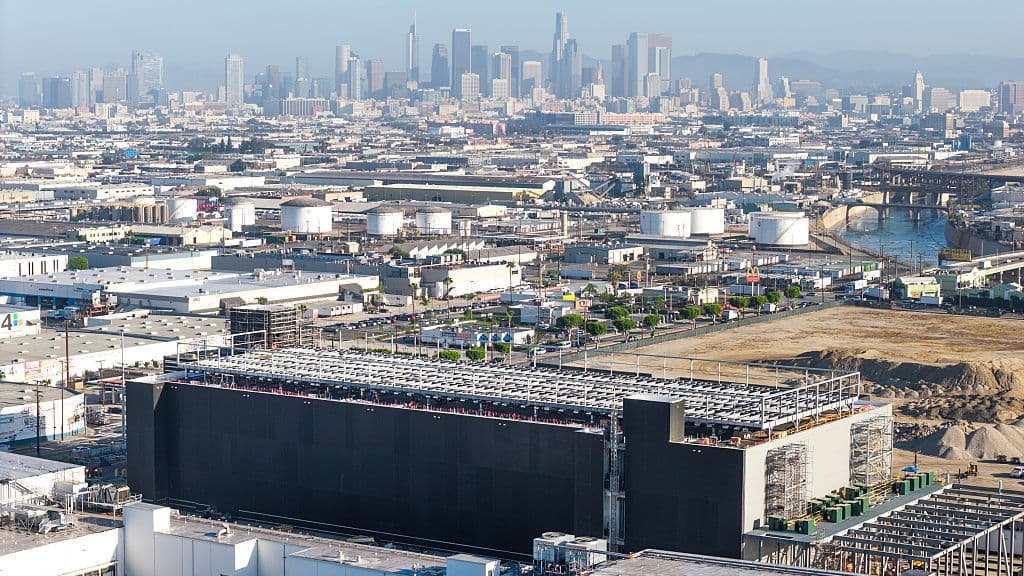
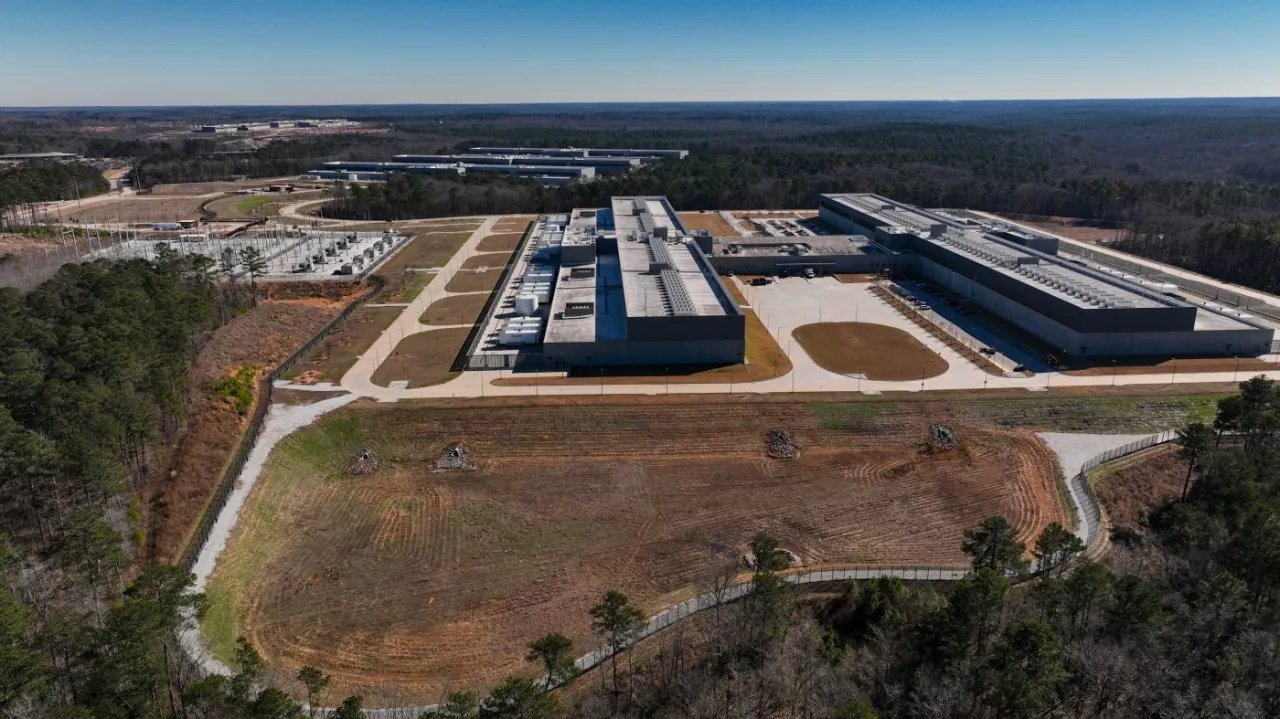
The findings highlight a widening gap between the industry’s narrative—which often touts AI’s capacity to optimize energy grids and accelerate material science breakthroughs—and public perception, which is increasingly focused on the physical footprint of the infrastructure required to support these systems. As data centers continue to proliferate across the country to accommodate the computational demands of large language models and machine learning, concerns regarding water consumption and electrical grid strain have moved into the mainstream.
According to the data, a significant portion of respondents expressed concern over the sheer scale of energy required to power AI servers. Large-scale data centers often operate 24 hours a day, requiring massive amounts of electricity that, in many regions, are still sourced from fossil fuel-heavy grids. For many Americans, this reality undermines the potential environmental benefits AI might offer. The poll indicates that while some citizens acknowledge the technology’s potential to improve energy efficiency, these hopes are currently being overshadowed by anxieties about increased carbon emissions.
The environmental cost of AI is twofold: energy demand and resource usage. Beyond the electricity required to power thousands of high-performance chips, these facilities require immense amounts of water for cooling purposes. In states facing chronic water scarcity, such as those in the American West, the construction of new data centers has sparked local pushback. Residents and environmental advocates are increasingly questioning whether the rapid deployment of AI systems justifies the strain placed on local water tables and municipal power supplies.
The poll’s results arrive at a time when technology giants are under heightened scrutiny from regulators and environmental groups. Companies like Microsoft, Google, and Amazon have pledged to reach “net-zero” carbon emissions, yet many of these same corporations have reported recent increases in their total carbon footprint, largely attributed to the infrastructure requirements of their AI initiatives. This discrepancy has fueled public skepticism, as the industry struggles to decouple its growth from its environmental impact.
“The public is beginning to connect the dots between their digital experiences and the physical infrastructure that powers them,” said a policy analyst familiar with the poll’s methodology. “When people hear about data centers consuming as much electricity as small cities or requiring millions of gallons of water daily, it shifts the conversation. They are no longer just thinking about the software; they are thinking about the power plant and the water main.”
Despite the pessimism, the industry maintains that AI remains essential for achieving global climate goals. Proponents argue that AI can manage smart grids to better integrate renewable energy, optimize manufacturing processes to reduce waste, and provide complex modeling for climate scientists to better understand long-term environmental shifts. However, these theoretical long-term gains appear to be doing little to assuage the current public sentiment, which remains focused on the immediate, tangible stressors placed on local communities.
As the industry continues to scale, the results of this poll serve as a clear indicator of the reputational challenges tech leaders face. Whether the tech sector can bridge the divide between its stated green ambitions and the current reality of its high-consumption business model will likely depend on its ability to transparently address energy efficiency and invest in sustainable, low-carbon infrastructure. For now, however, the majority of the public remains unconvinced that AI will act as a steward of the environment, viewing it instead as a new, significant burden on an already stressed planet.
Disclaimer: This content is auto-generated for informational purposes only.
Source: Read Original News