







Geopolitical Shifts and the New Legislative Landscape
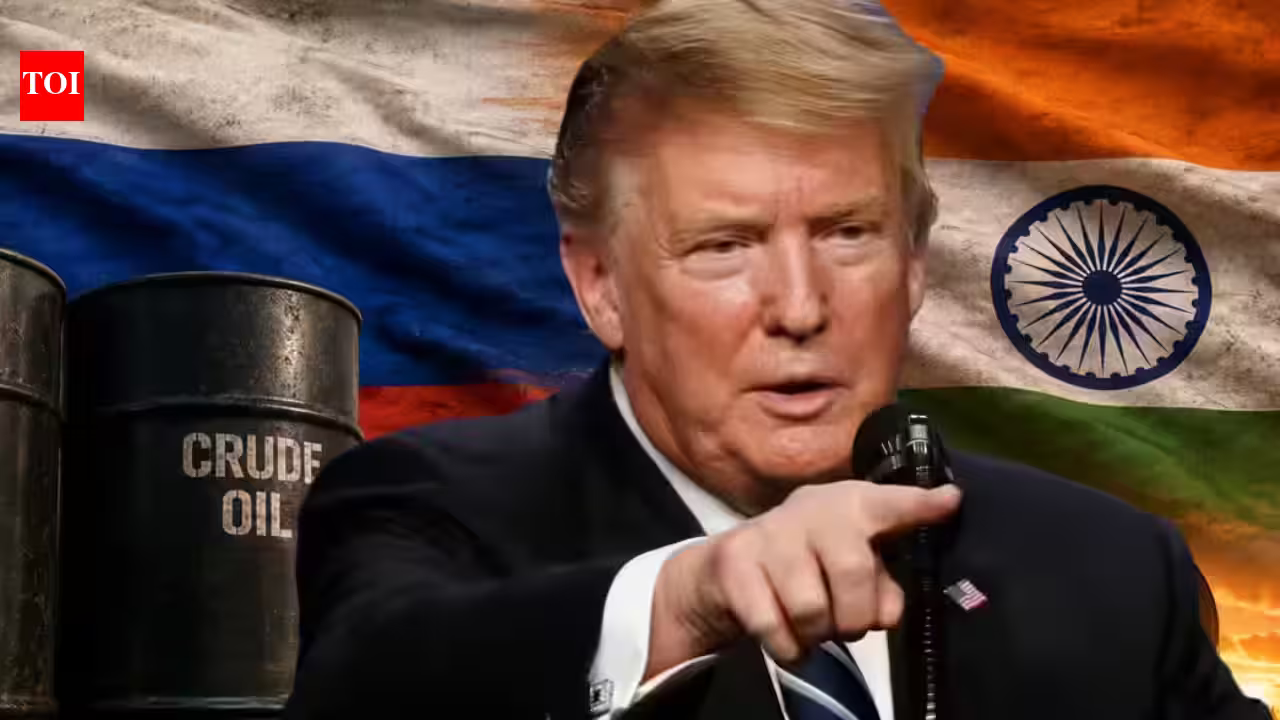
The recent passage of the Lindsey O. Graham Sanctioning Russia and Iran Act of 2026 by the US House of Representatives marks a decisive turning point in international trade policy and energy diplomacy. By a vote of 262-159, the US legislature has provided the executive branch with significant new powers to curtail Russia’s revenue streams by targeting the countries that facilitate them. Central to this legislation is the authority granted to President Donald Trump to impose tariffs of up to 100 percent on major importers of Russian energy. While the bill aims to weaken the economic foundation of Russia’s military operations, its secondary impact—creating a mechanism for trade penalties against key economies like India—has introduced a period of profound uncertainty for global supply chains.
For India, a nation that has maintained a strategic stance of energy security by importing Russian crude oil, this legislation represents a complex challenge. The bill is not a blanket sanction, but rather a functional tool that allows the US administration to use the threat of extreme tariffs as a diplomatic lever. As the US recalibrates its stance on global energy trade, the burden falls on New Delhi to navigate the delicate balance between its energy requirements and the maintenance of a stable, cooperative relationship with Washington.
Understanding the Tariff Mechanism and Energy Dependencies
The core of the legislation rests on the power to impose steep tariffs on the top five importers of Russian oil and gas. While the bill includes an exemption for countries that have successfully reduced their dependency below a 15 percent threshold of Russia’s natural gas exports, the criteria for crude oil remain more stringent and subject to administrative interpretation. This framework is explicitly designed to force a pivot away from Moscow’s energy dominance.
From a business perspective, the primary concern is the potential for trade disruption. The legislation serves as a form of “secondary sanction,” targeting the economic output of third-party nations. If the US administration chooses to exercise this authority against India, the resulting 100 percent tariff on Indian goods would effectively price Indian exporters out of the US market. For an economy that relies heavily on US consumption for sectors such as information technology services, textiles, and pharmaceuticals, such a move would be catastrophic. The legislative language suggests that the threat of tariffs is intended to discourage continued energy cooperation with Russia, yet the economic impact would be felt primarily by businesses that have no direct involvement in energy procurement.
The Indian Economic Context and Strategic Autonomy
India’s energy strategy has been defined by the pursuit of affordable energy to fuel its growing industrial base. By purchasing discounted Russian crude, Indian refineries have insulated the domestic market from extreme global price volatility. This has been a vital component of India’s macroeconomic stability over the past few years. However, this policy is now directly in the crosshairs of US lawmakers who view energy revenue as the primary catalyst for sustaining the conflict in Ukraine.
The challenge for Indian policymakers lies in the asymmetry of the trade relationship. India’s exports to the US are extensive, covering high-value technology and manufacturing sectors, whereas India’s energy purchases are managed by state-backed and private refineries to meet national demand. The US legislation attempts to connect these two disparate spheres—energy imports and manufactured exports—into a single transactional matrix. Navigating this will require sophisticated diplomatic efforts and likely a strategic reassessment of energy sourcing. If India is to avoid the full weight of these tariffs, it may need to demonstrate measurable progress in diversifying its energy mix, moving toward suppliers that do not invite such punitive measures from the American executive.
Internal US Political Friction and Future Implications
The passage of the bill was not without domestic contention in the United States. While the objective of supporting Ukraine resonated across both chambers of Congress, the mechanism of empowering the president with sweeping tariff authority drew significant pushback. Critics within the Democratic Party raised alarms about the risk of executive overreach, particularly given President Trump’s established preference for utilizing tariffs as a primary economic weapon.
There is a palpable concern among institutionalists that the precedent set by this bill could be repurposed. If the authority to impose 100 percent tariffs on allies or strategic partners for energy decisions becomes normalized, it introduces a permanent “tariff premium” on global trade. For American companies operating in India or relying on Indian manufacturing, the uncertainty surrounding these potential tariffs introduces a new risk factor that may suppress capital expenditure and investment flows. Businesses are currently forced to treat the threat of US tariffs as a material business risk, impacting long-term planning and resource allocation.
The Global Trade Environment and Strategic Realignment
The long-term success of this legislation depends on the political will of the US executive to follow through on its threats. If implemented, these tariffs would likely trigger a chain reaction in global trade. Countries like India and China, if targeted, would be forced to seek alternative markets or retaliatory measures, further balkanizing the global economy. This creates a difficult environment for multinational firms that have operated under the assumption of relative stability in trade agreements.
Moreover, the bill elevates the importance of “energy security” to a central national security imperative in the eyes of Washington. For India, this signals a transition period where the benefits of affordable Russian oil must be weighed against the potential for significant trade barriers in Western markets. The coming months will likely see intensive bilateral negotiations aimed at establishing a clearer understanding of what constitutes “significant steps” toward reduction, potentially offering a path for India to bypass the most severe economic penalties.
Conclusion: The Path Forward
The Lindsey O. Graham Sanctioning Russia and Iran Act of 2026 acts as a warning shot for nations navigating the intersection of energy necessity and international alignment. For the Indian business community, the message is clear: the era of insulated energy purchasing is becoming increasingly difficult to maintain in a world where trade policy is now openly utilized to achieve foreign policy goals. While the legislation creates a framework for massive tariffs, it also creates an imperative for agile diplomacy. India’s ability to remain an indispensable partner to the United States while safeguarding its own economic interests will depend on its capacity to communicate its energy requirements effectively and potentially accelerate its transition toward a more diverse array of energy suppliers. The coming legislative tenure will define whether this act serves as a catalyst for a new trade conflict or a framework for a managed transition toward different energy partnerships.
Disclaimer: This content is auto-generated for informational purposes only.
Source: Read Original News