









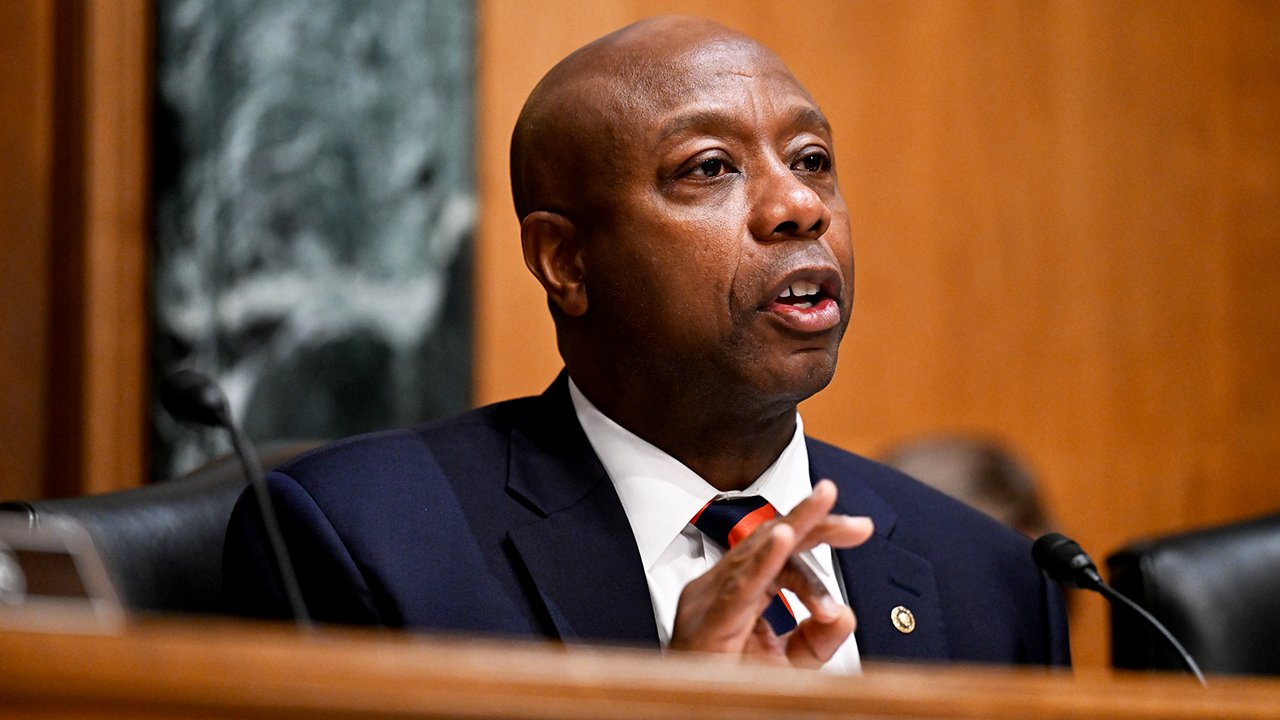
Senator Tim Scott, the ranking Republican on the Senate Banking Committee, has issued a stark warning regarding the future of American financial leadership as the upper chamber prepares for a pivotal vote on the CLARITY Act. The legislation, which seeks to establish a formal federal regulatory framework for digital assets, is scheduled for a procedural cloture vote this afternoon.
Scott argues that the current lack of a defined “market structure” has left the domestic cryptocurrency sector in a state of chaos, akin to a “Wild West” environment. He contends that passing the CLARITY Act is essential for providing developers and consumers with the legal certainty required to foster long-term innovation within U.S. borders.
Bridging the Gap in Financial Regulation
The core of the debate centers on whether the United States will embrace a proactive stance toward financial technology or continue to rely on enforcement-based regulation that critics claim stifles growth. Senator Scott emphasized that the bill is not merely about cryptocurrency, but about securing America’s role as the premier financial hub of the global economy.
“If you want everyday, hardworking Americans to have more access to their resources, more options on the table, and you want America to be the leading financial country on the planet, you vote yes,” Scott said in a recent interview.
While the vote today is not for final passage, it serves as a critical litmus test for whether the Senate is willing to move forward with negotiations. Scott has expressed frustration with some Democratic counterparts, specifically naming Senator Elizabeth Warren, who have signaled opposition to the measure. He suggests that this resistance is rooted in partisan friction rather than an assessment of the bill’s economic merits.
The Tech Industry’s Call for Regulatory Clarity
The push for the CLARITY Act comes at a time when major players in the technology and financial sectors are calling for clearer guidelines to prevent the exodus of capital and talent to more crypto-friendly jurisdictions. Companies like Coinbase and blockchain infrastructure providers have been vocal in their support, arguing that the current regulatory ambiguity makes it difficult to scale innovative financial products.
This legislative effort is being viewed as a cornerstone of a broader movement to modernize the American financial system. Supporters argue that by integrating digital assets into the legal framework, the U.S. can better mitigate risks, enhance consumer protections, and create a predictable environment for institutional investment.
Economic Challenges Beyond the Blockchain
Beyond the immediate scope of digital assets, Senator Scott also used the opportunity to highlight broader concerns regarding the Biden administration’s economic stewardship. He linked the necessity of the CLARITY Act to a wider effort to combat rising mortgage rates and general housing market volatility.
Scott’s critique focuses on the argument that burdensome regulations and government overreach in the financial sector have exacerbated the difficulties facing the average consumer. By pushing for clear, concise rules, he believes the Senate can help alleviate some of the pressure on American households.
As the Senate moves toward the 2:15 p.m. ET vote, the outcome remains uncertain. The divide over the CLARITY Act reflects deep-seated ideological differences regarding the government’s role in managing new technologies. For proponents of the bill, the vote represents a make-or-break moment for U.S. competitiveness in a rapidly digitizing global market. If the bill fails to move forward, industry experts warn that the U.S. could permanently cede its influence to international rivals who have already begun to implement comprehensive digital asset regulatory frameworks.
Disclaimer: This content is auto-generated for informational purposes only.
Source: Read Original News