








The Indian industrial and digital landscape is undergoing a profound metamorphosis. In an era where startups, e-commerce giants, and traditional sectors like healthcare and consumer goods are vying for dominance, “Product Design” has emerged as the definitive differentiator. Far from being merely about visual aesthetics, it is now the backbone of user experience and business viability.
Understanding the Scope of Product Design
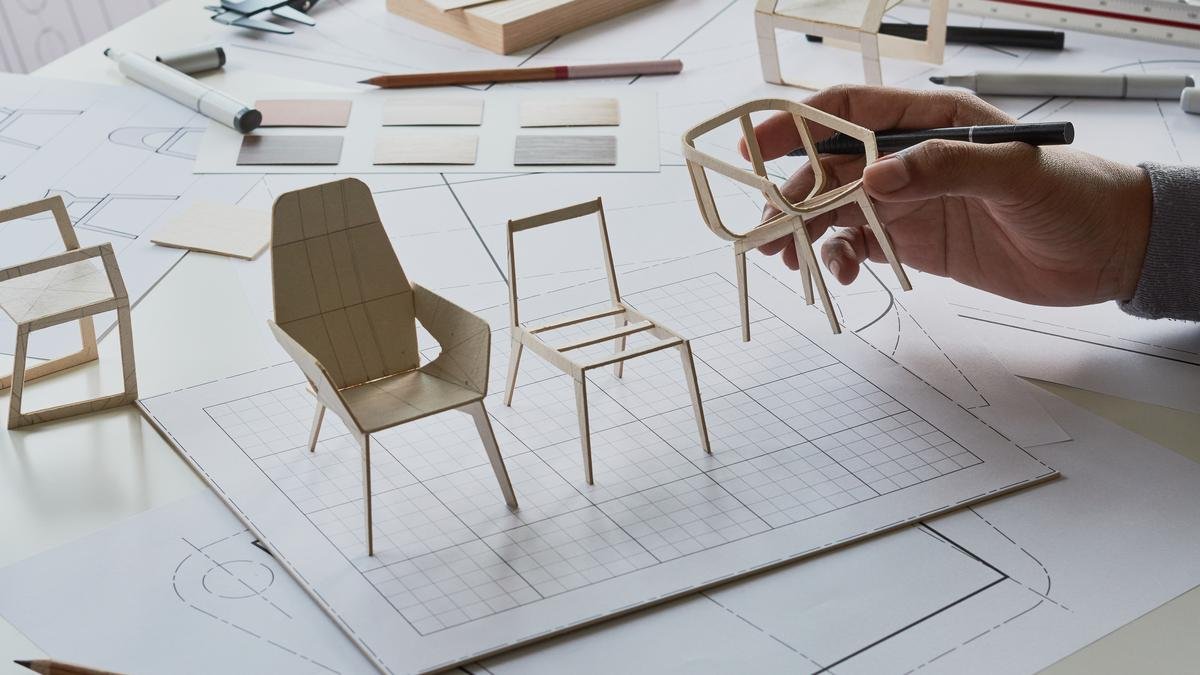
Product Design is the systematic process of creating goods and digital experiences that harmonize functionality, usability, and visual appeal. While historically associated with tangible items like automobiles, furniture, and kitchenware, the discipline has expanded rapidly due to the digital economy. Today, it encompasses the architecture of mobile apps, websites, and software services. Because companies now prioritize customer satisfaction as a primary metric for growth, designers who can balance user-centric research with technical efficiency are in high demand.
Pathways to Education: B.Des and Beyond
For students looking to formalize their skills, the Bachelor’s in Design (B.Des.) program remains the gold standard. Across India, the number of institutions offering specialized B.Des. degrees has grown significantly, reflecting the field’s increased professional relevance.
These undergraduate programs are comprehensive, covering:
- The Design Process: From ideation and user research to prototyping and testing.
- Technical Proficiency: Deep dives into material technology, manufacturing processes, and mass production logistics.
- Ergonomics: The science of designing products that fit human physiological and psychological needs.
For those looking to move into specialized research or leadership roles, Master’s and Doctoral programs provide the necessary depth to tackle complex design challenges.
The Skill Set: Merging Creativity and Logic
Successful product designers possess a unique intersection of artistic creativity and analytical problem-solving. While the ability to sketch and conceptualize new forms is vital, it must be tempered by rigorous market analysis. Designers are required to base their decisions on data—understanding user personas, market forces, and overarching business objectives.
Furthermore, communication skills are increasingly critical. A modern designer does not work in a vacuum; they must effectively translate their visions to developers, marketers, and business stakeholders. Mastery of both physical material manipulation and the digital logic of app interfaces is now often expected in entry-level roles.
Career Outlook and Market Evolution
The trajectory for a professional in this field is highly promising. An entry-level Product Designer can quickly advance into leadership roles, such as Design Manager, Head of Design, or even Product Manager—a role that bridges the gap between design, engineering, and business strategy. Many designers also leverage their understanding of product lifecycles to become entrepreneurs, establishing independent design consultancies or technology-based startups.
With the integration of Artificial Intelligence and advanced digital technologies, the scope for innovation is expanding. Whether it is improving the accessibility of a medical device or streamlining the user journey on a financial app, the opportunities in the Indian market are vast and varied.
Is This Career Path for You?
Before committing to the field, aspiring designers should evaluate their inherent tendencies. The industry often seeks individuals who:
- Have a natural inclination toward sketching and ideating.
- Enjoy “tinkering”—taking products apart to understand their mechanical or digital functionality.
- Possess a critical eye for usability and user interface design.
- Are naturally consulted by peers for their opinions on technology and product choices.
For those who naturally question how things work and seek to improve them, a career in Product Design offers not just a job, but the opportunity to shape the tools and environments of the future.
Disclaimer: This content is auto-generated for informational purposes only.
Source: Read Original News